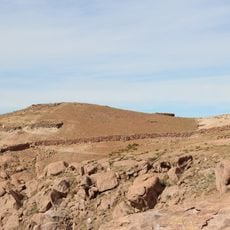
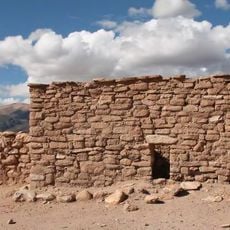
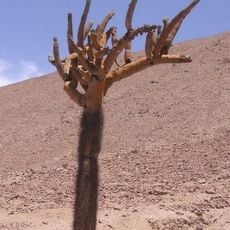
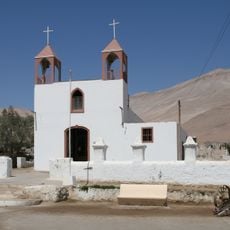
Wila Wilani, Archaeological site in Tacna Department, Peru.
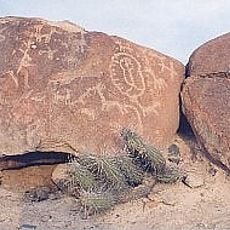
Wila Wilani is an archaeological site in the Tacna region featuring rock paintings on mountainous terrain at approximately 3,000 meters (9,843 feet) elevation in southern Peru. The panels display hunting scenes with camelids and other animals rendered directly into the stone surfaces.
The site dates to pre-Columbian times and documents human presence in the Andean highlands through depictions of hunting practices. The artwork provides insight into how early inhabitants lived and subsisted in this high-altitude environment.
The name comes from Aymara language roots, where 'wila' means red, referring to the hues of the rock panels that reflect the indigenous heritage of southern Peru. The art itself reveals how early people expressed their relationship with the landscape and animals around them.
Visitors should arrange guided tours from Tacna city to reach the site, as the mountain paths require experienced guides to navigate safely. Bring sturdy footwear and weather-appropriate clothing since the terrain is steep and conditions at altitude can be challenging.
The hunting depictions show specific details about hunting methods and equipment used by early Andean people, visible here in a clarity rarely found at other sites. These direct visual records allow visitors to understand ancient techniques and strategies in ways that written sources alone cannot convey.
The community of curious travelers
AroundUs brings together thousands of curated places, local tips, and hidden gems, enriched daily by 91,831 contributors worldwide.