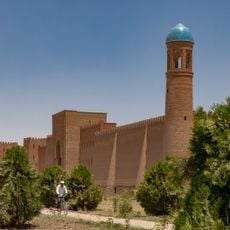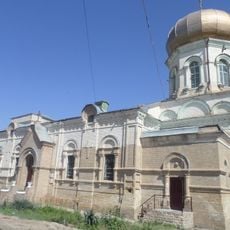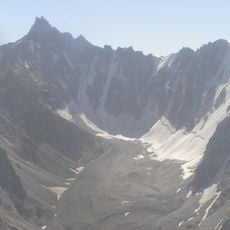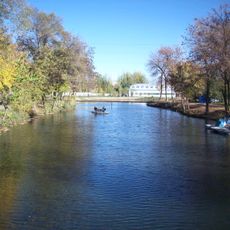
Taloqan, the capital of Takhar Province, Afghanistan
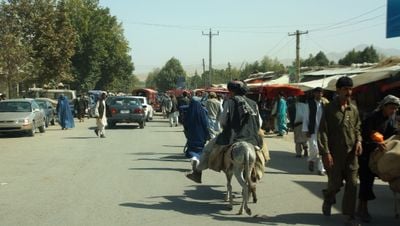
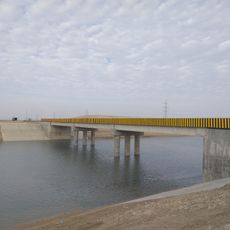
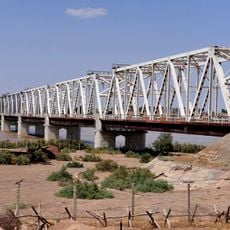
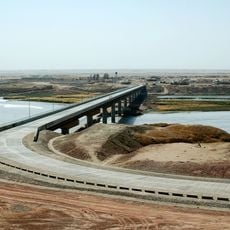
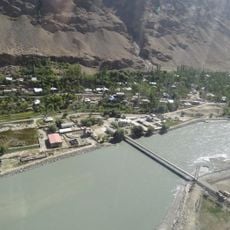
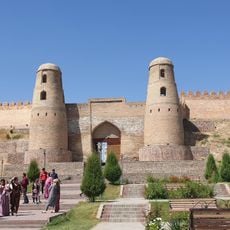
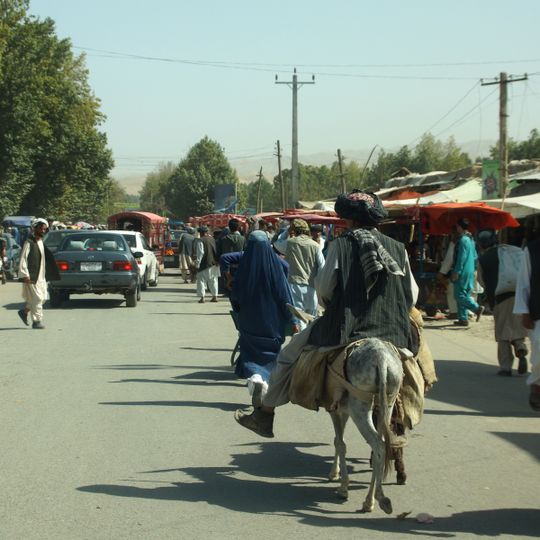
Taloqan is a city in northern Afghanistan situated at about 876 meters (2,874 feet) above sea level and serving as the main administrative center of Takhar Province. It features bustling bazaars, modest residential buildings, and essential services including mosques, schools, banks, hospitals, and a university on its outskirts.
Taloqan gained importance under Genghis Khan in the 13th century and was noted by Marco Polo around 1275 as a major grain trading center. The city later served as a base for mujahideen fighters resisting Soviet forces and fell to the Taliban in 2000, was recaptured in 2001 with international support, then came under Taliban control again in 2021.
Taloqan is home to Tajiks, Uzbeks, Pashtuns, and Hazaras who maintain their traditions through daily life and community gatherings. The bazaars and public spaces serve as centers where families meet, trade goods, and share the rhythms of local Afghan life.
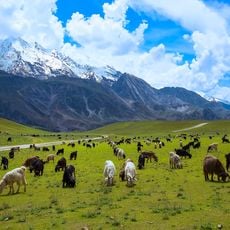
Taloqan has a dry summer climate with hot days and milder, wetter winters, with spring and autumn offering the most comfortable visiting months. The city is accessible by an airport north of the city center and has road connections to nearby towns like Kunduz and Fayzabad.
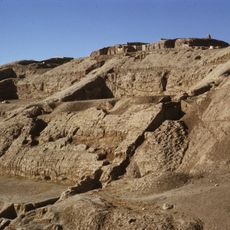
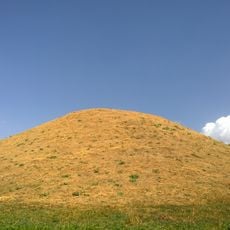
Near Taloqan stand massive hills of white salt so hard that travelers historically needed iron hammers to break and extract it. This salt was so valued that people journeyed from far away to trade it and transported it across great distances.
The community of curious travelers
AroundUs brings together thousands of curated places, local tips, and hidden gems, enriched daily by 60,000 contributors worldwide.