Port of Luanda, Commercial port in Luanda, Angola
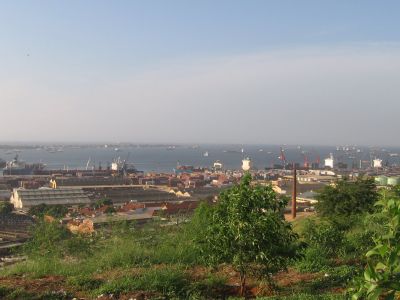
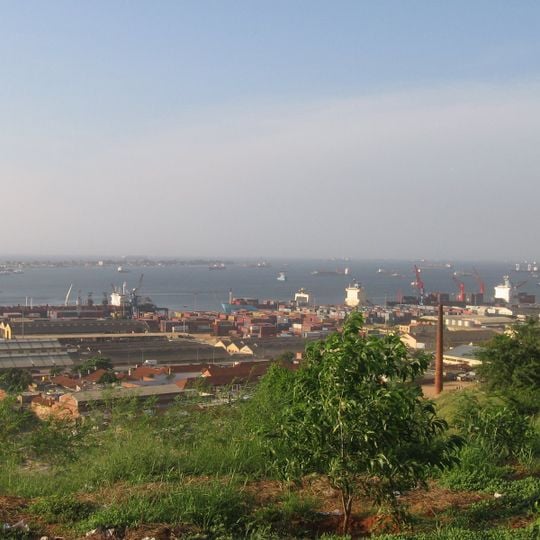
The Port of Luanda is a facility on the Atlantic coast with several terminals that handle containers, bulk cargo, and passenger vessels. The facility operates around the clock and has specialized areas for different types of cargo and ships.
Luanda was founded by the Portuguese in 1576, and its bay became the outlet for trade between the interior and the Atlantic. The port is the terminus of the Luanda railway, which brings cargo from Malanje, and it is also served by the EN-100 highway. It is now run by the state company Porto de Luanda E.P. and is Angola's largest seaport, handling over 625,000 TEU in 2023.
The port is a place where fishermen and traders work daily, bringing fresh catches to markets throughout the city. These activities show how people here have traditionally relied on the sea as part of their everyday lives.
Incoming cargo needs a pre-shipment certificate or waiver, with a valid ARC number (Attestation de Réservation de Cargaison, also called CNCA) recorded on the bill of lading. The port links to the city centre and Ingombota district, and cargo moves out by the Luanda railway from Malanje and by the EN-100 highway.
The natural deep water allows large ships to sail directly into the port without requiring major engineering work. This geographic feature makes the location a natural mooring place for larger merchant vessels.
The community of curious travelers
AroundUs brings together thousands of curated places, local tips, and hidden gems, enriched daily by 92,843 contributors worldwide.