Isla de Pascua, Remote territorial entity in Pacific Ocean, Chile.
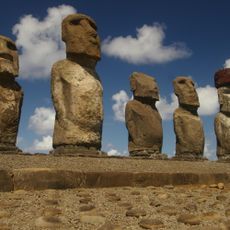
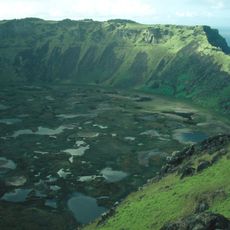
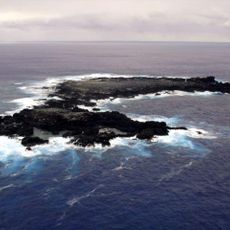
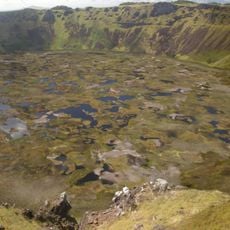
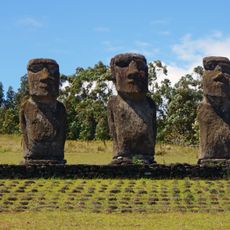
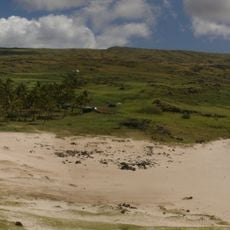
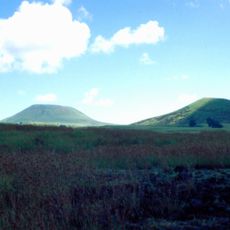
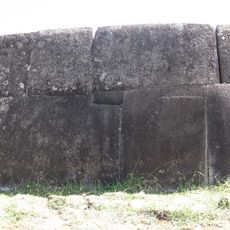
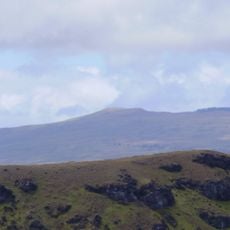
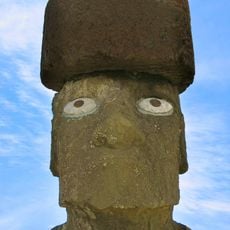
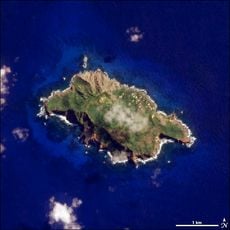
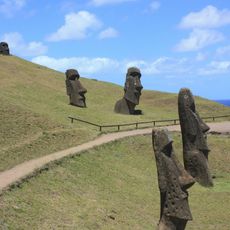
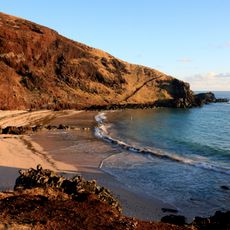
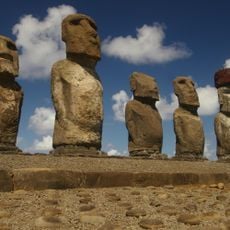
Rapa Nui is a remote island in the Pacific Ocean belonging to Chile, characterized by three extinct volcanoes, steep cliffs, and open grasslands. The place is globally recognized for hundreds of massive stone figures carved from volcanic rock by its earliest inhabitants.
Polynesian settlers arrived between 400 and 1000 CE and built a distinct society with remarkable artistic achievements over centuries. The island later came under European influence and was annexed by Chile in 1888.
The island is home to the Rapa Nui people, whose distinct Polynesian traditions are visible today in local crafts, dances, and celebrations held throughout the year. Visitors encounter this living culture through performances and artisan work that reflect the island's ancestral heritage.
The landscape is windswept and sunny, making protective clothing and sunscreen essential for any visit. Most facilities are located in Hanga Roa, the main settlement, which serves as a base for exploring the island.
The island is called Rapa Nui by its inhabitants, while outsiders know it as Easter Island, a naming distinction that reflects two distinct worlds meeting in one place. This dual identity makes the location a unique encounter between Polynesian and Western cultural perspectives.
The community of curious travelers
AroundUs brings together thousands of curated places, local tips, and hidden gems, enriched daily by 90,790 contributors worldwide.