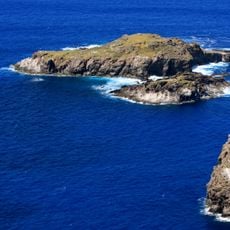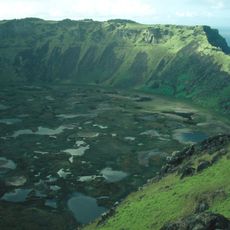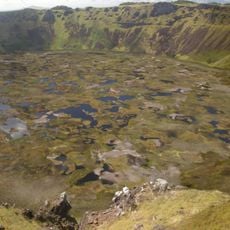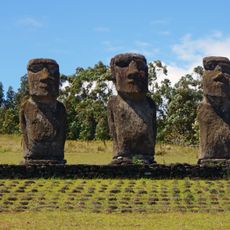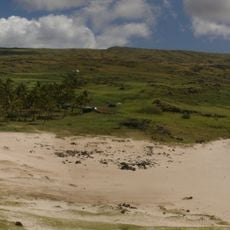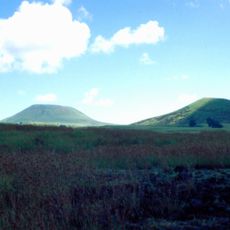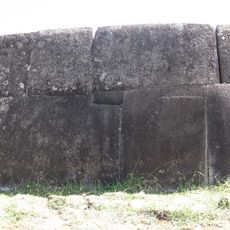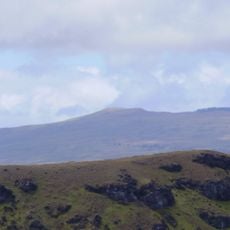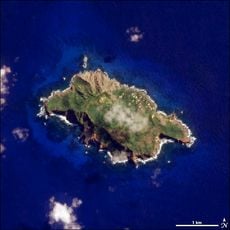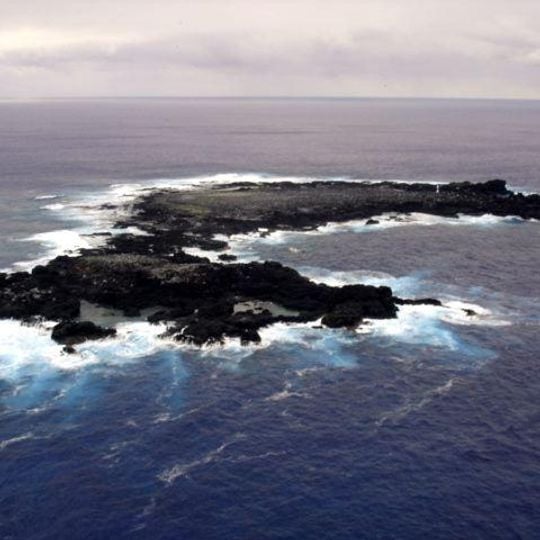
Isla Salas y Gómez, Natural reserve on the eastern edge of Polynesia, Insular Chile.
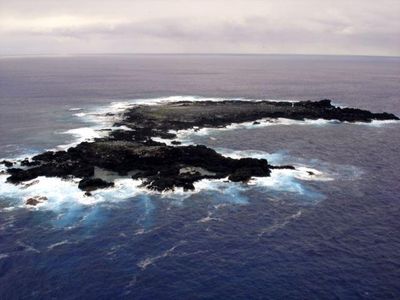
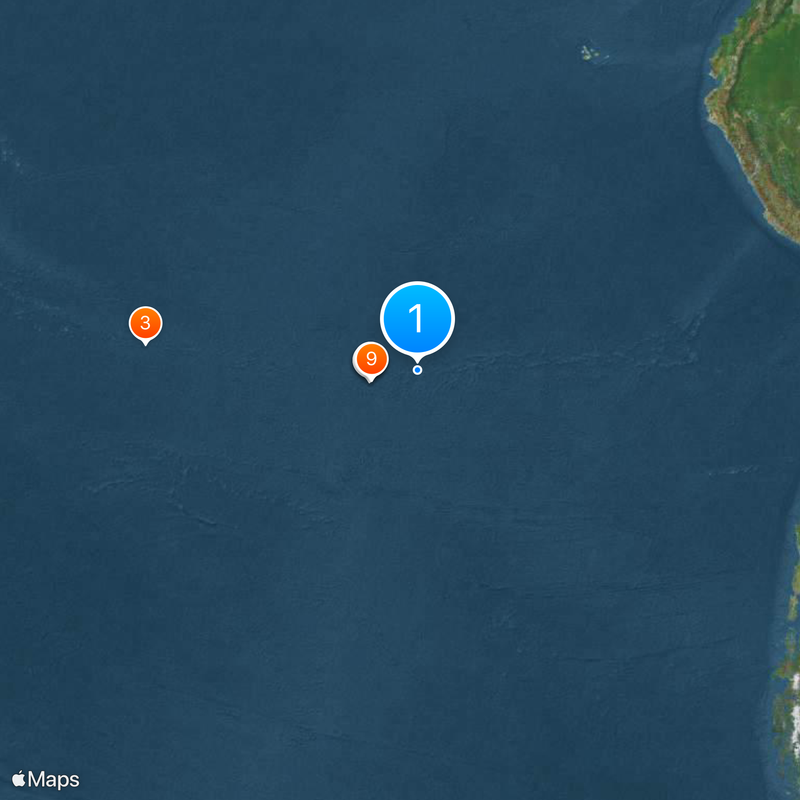
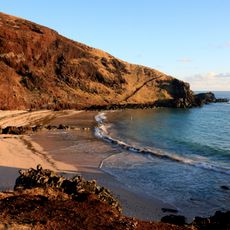
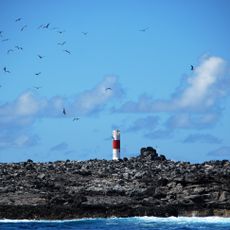
Isla Salas y Gómez is a remote natural reserve east of Easter Island, consisting of two rocky ridges connected by a narrow band of land. The formation rises from an underwater mountain ridge in the Pacific Ocean.
Spanish explorers documented the island between 1793 and 1805, naming it after two seamen involved in those voyages. Since then it has remained one of the remotest and least-visited places in Polynesia.
The Rapa Nui people named it Motu Motiro Hiva, translating to Bird's Islet on the way to Hiva, referencing ancestral Polynesian connections.
The area is under strict protection and landing is extremely difficult as it sits in open ocean away from major shipping routes. Visitors hoping to see seabirds and marine life need specialized boat trips departing from Easter Island.
Despite its harsh conditions, four plant species thrive in the sparse soil and crevices of the rocky outcrops. This remote landmass marks the easternmost point of the Polynesian Triangle, drawing researchers who study species adaptation in extreme environments.
The community of curious travelers
AroundUs brings together thousands of curated places, local tips, and hidden gems, enriched daily by 90,757 contributors worldwide.