Pasochoa, Extinct volcano in Tambillo, Ecuador
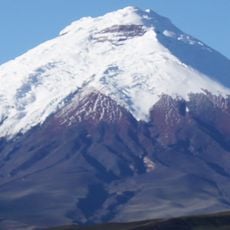
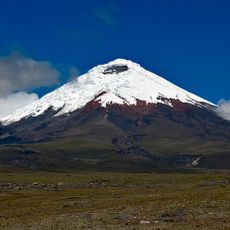
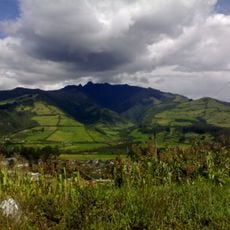
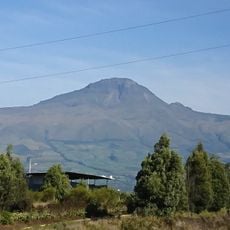
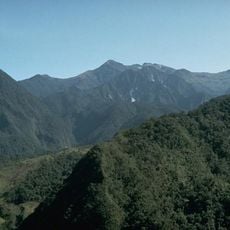
Pasochoa is an extinct volcano rising to 4,200 meters elevation in the Ecuadorian Andes with a collapsed crater forming a semicircular shape. The mountain is forested and managed as a reserve to protect its natural flora and fauna.
The current collapsed, semicircular crater formed about 100,000 years ago when an eruption destroyed the earlier cone's crater and western slope. Lava and ash enriched the soil, but steep, uneven terrain discouraged farming, leaving the Andean forest largely untouched. In 1996 the Pasochoa Wildlife Refuge was created over 500 hectares, first managed by Fundación Natura and later by the Ministerio del Ambiente.
The site hosts a wildlife refuge dedicated to protecting the Andean forest ecosystem, offering visitors the chance to experience the region's natural diversity. People come here to observe native plants and animals while learning about the ecological importance of this landscape.
Visitors can reach the mountain from Quito by driving or taking a bus heading south through towns in the region. It is wise to start early, as elevation and weather conditions in the Andes should be considered.
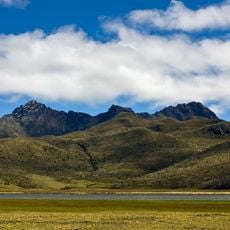
The crater's semicircular western flank collapsed about 100,000 years ago, and the sheltered amphitheatre below now holds one of Ecuador's few remaining original Andean forests. More than 100 bird species have been recorded there, alongside pumas, foxes and skunks. The Pasochoa Wildlife Refuge, created in 1996, covers 500 hectares within the national protected areas system.
The community of curious travelers
AroundUs brings together thousands of curated places, local tips, and hidden gems, enriched daily by 92,643 contributors worldwide.