Argentine Northwest, Geographic region in northwestern Argentina
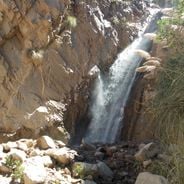
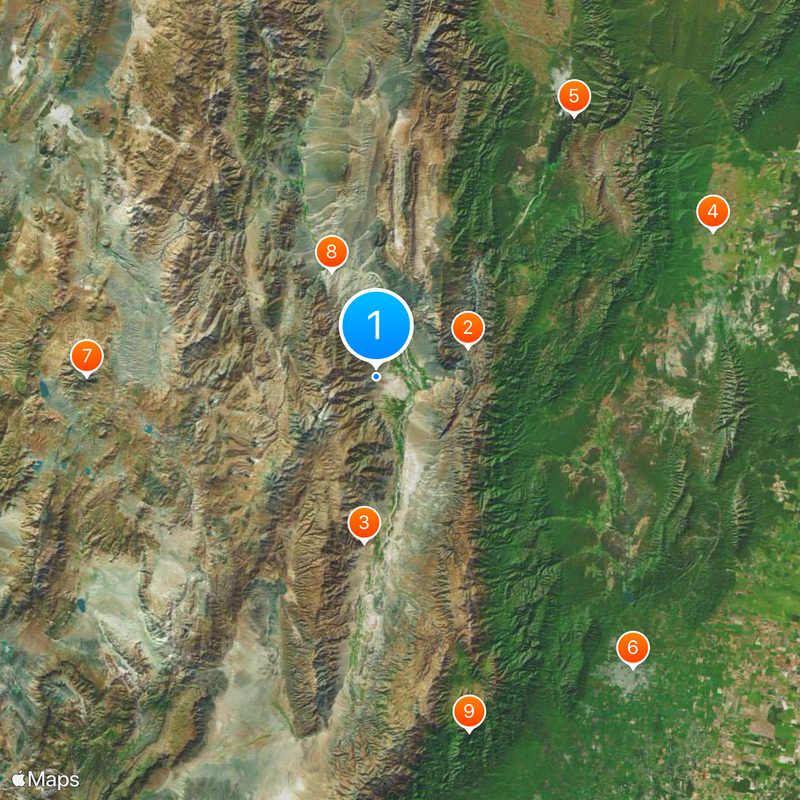
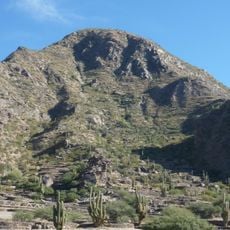
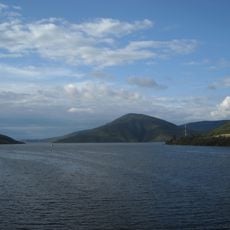
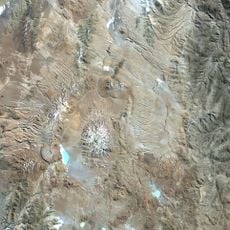
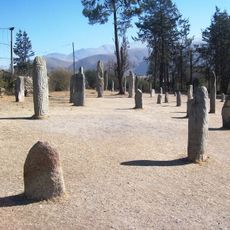
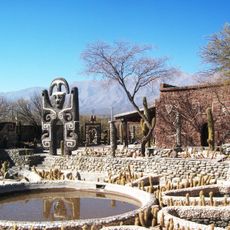
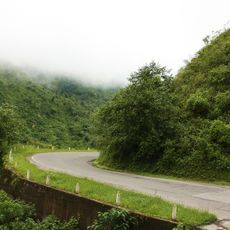
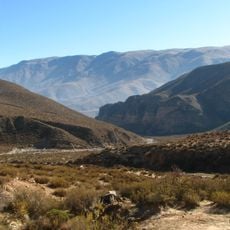
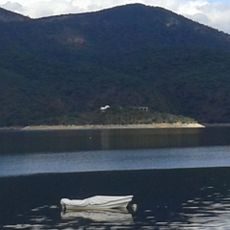
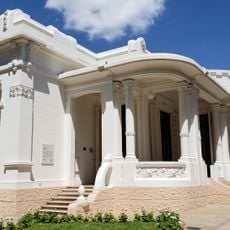
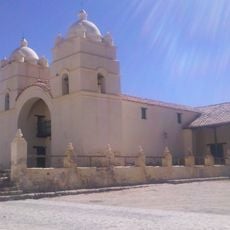
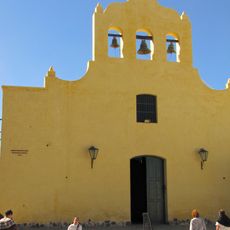
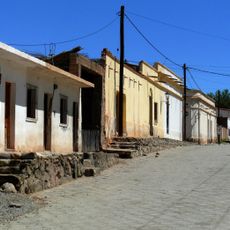
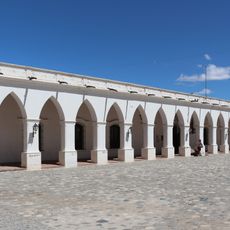
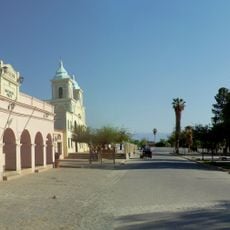
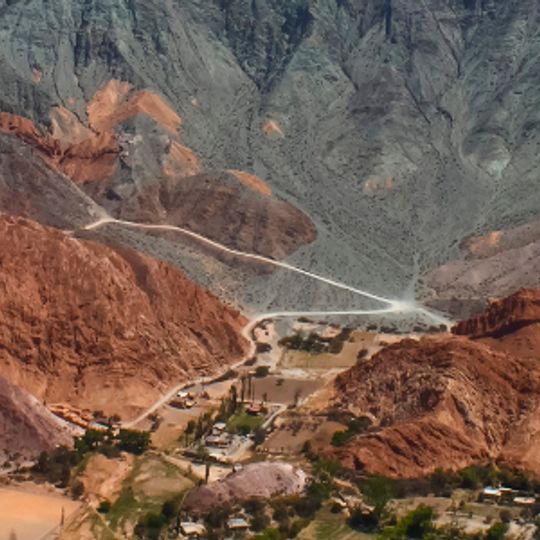
The Argentine Northwest is a historical region in northwestern Argentina that stretches across six provinces and includes high mountain peaks, valleys with dry red earth, cloud forests, and wide plateaus. The landscape shifts from barren stony highlands at around eleven thousand five hundred feet above sea level to green valleys where fields of corn and peppers sit between rivers.
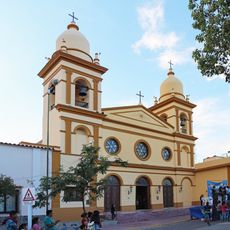
Archaeological finds show people have lived in this region for over six thousand years, practicing burial customs at different times with jewelry made from shells and stones. Later the area became part of the Inca empire before Spanish colonizers arrived in the sixteenth century and reorganized political structures.
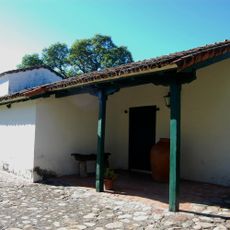
Many place names trace back to Quechua and Aymara languages spoken here before colonial times, and these roots still shape how locals talk and what they call the valleys and peaks around them. In small towns visitors find markets selling handwoven textiles with traditional patterns, while local musicians play charangos and quenas at religious festivals and family gatherings.
Travelers should plan for altitude adjustments, as most places sit between six thousand five hundred and ten thousand feet and the body needs time to adapt to lower oxygen levels. Temperatures shift sharply between day and night, especially in winter, so layering clothes makes sense.
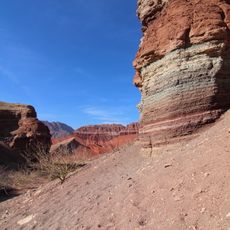
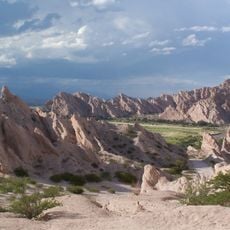
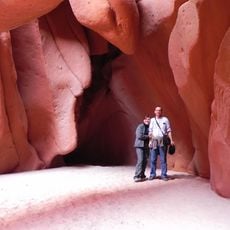
At Quebrada de Humahuaca erosion processes have cut canyons through rock layers in different colors over millions of years, so hikers can see red, yellow, and purple bands stacked on top of each other in some spots. The Valles Calchaquíes show similar formations where water and wind have exposed steep rock walls made of colorful sediment.
The community of curious travelers
AroundUs brings together thousands of curated places, local tips, and hidden gems, enriched daily by 92,751 contributors worldwide.