Palácio de Barro, Colonial governmental palace in Porto Alegre, Brazil
The Palácio de Barro was a two-story colonial sobrado on Praça da Matriz in Porto Alegre, built from clay, stucco and wood, which gave it its popular name. It stood from 1773 to 1896, when it was demolished; its site is now occupied by the Palácio Piratini, whose foundation stone was laid the same year.
The palace was designed in 1772 as the first governmental seat of the city, commissioned by Governor José Marcelino de Figueiredo and created by Captain Alexandre José Montanha. It served as the administrative center of Rio Grande do Sul until 1896, when a new governmental palace replaced it.
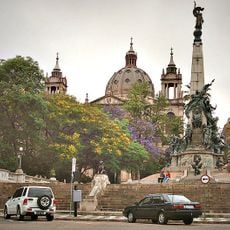
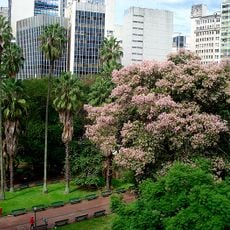
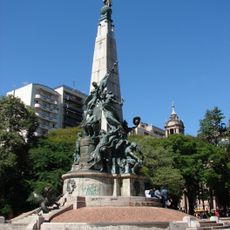
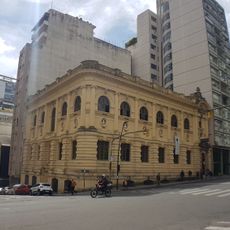
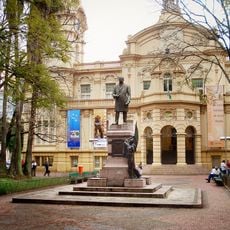
The palace stood on Praça da Matriz, the square where the seat of government was placed when Porto Alegre replaced Viamão as capital on 24 July 1773. Its nickname, Palácio de Barro, came from its clay, stucco and wood construction. After the 1896 demolition, the state government moved to the Forte Apache building on the same square, now called Palácio do Ministério Público.
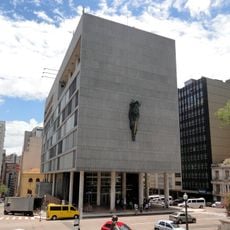
The palace no longer exists: it was demolished in 1896, so there is nothing left to visit on Praça da Matriz. Its successor, the Palácio Piratini, stands on the same square and can be seen from the outside; the former Forte Apache seat, now the Palácio do Ministério Público, is also on the square.
The building takes its name from its primary material: barro means clay in Portuguese, used for the sturdy construction of the walls. This naming directly reflects the simple and practical building method that was characteristic of colonial administrative architecture in the region.
The community of curious travelers
AroundUs brings together thousands of curated places, local tips, and hidden gems, enriched daily by 92,813 contributors worldwide.