Dutch Brazil, Dutch colony in northeastern Brazil.
Dutch Brazil was a colony in northeastern Brazil controlled by the Dutch West India Company from 1630 to 1654, with Recife serving as the administrative center. The region focused on sugar production and functioned as a hub for Atlantic trade networks.
The Dutch West India Company conquered northeastern Brazil from the Portuguese between 1630 and 1654, establishing military strongholds throughout the region. Control ended in 1654 when Portuguese forces pushed back and regained the territory.
Dutch administrators allowed Jewish communities to establish the first synagogue in the Americas at Recife in 1636, creating a place of religious practice. This reflected a practical approach that brought different groups together within the colonial territory.
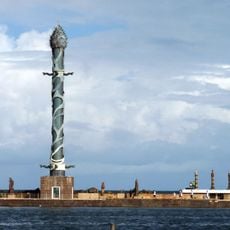
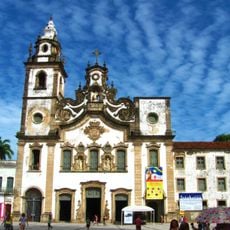
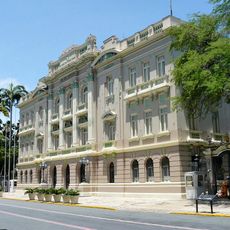
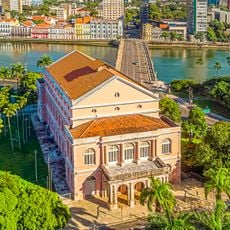
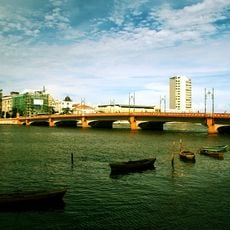
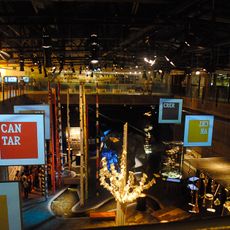
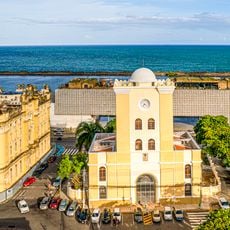
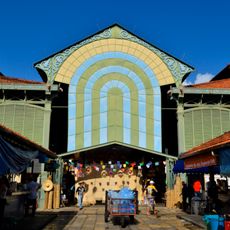
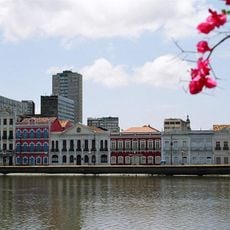
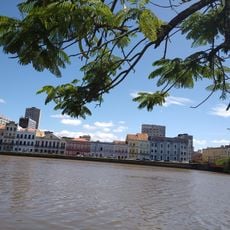
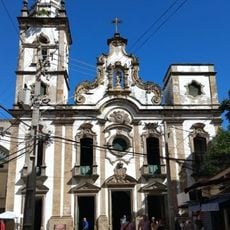
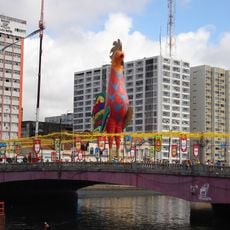
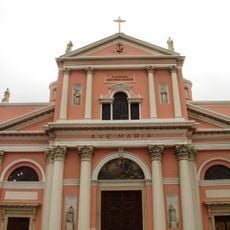
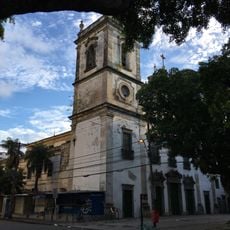
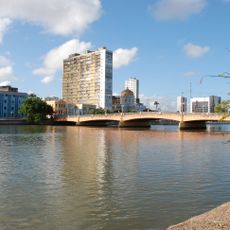
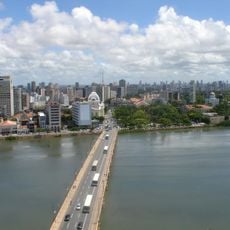
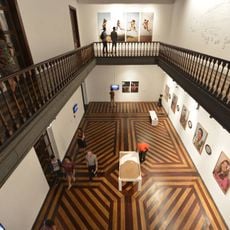
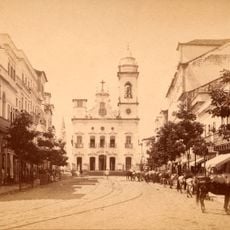
Visitors can explore places like Recife today where remains of Dutch settlement are visible, including fortifications and old city layouts. The best way to understand the colonial period is by visiting museums and historical sites that display artifacts and documents from that era.
Artist Albert Eckhout created detailed paintings of Brazilian landscapes, people, and animals during his time in the colony, providing rare visual records of colonial life. His works are now considered valuable historical documents that captured daily existence in that period.
The community of curious travelers
AroundUs brings together thousands of curated places, local tips, and hidden gems, enriched daily by 92,225 contributors worldwide.