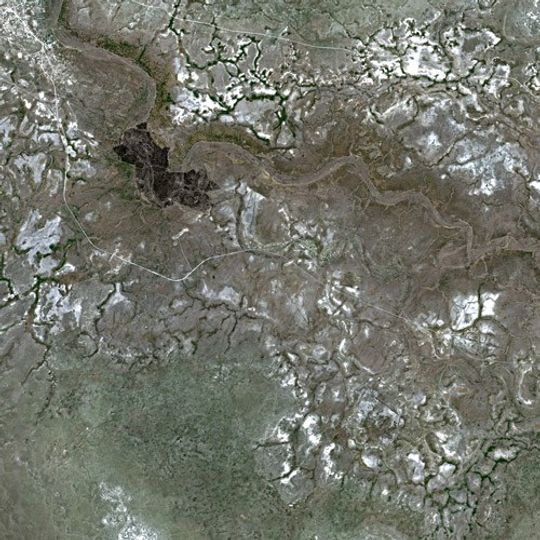
Lake Makgadikgadi, Ancient paleolake in Kalahari Desert, Botswana
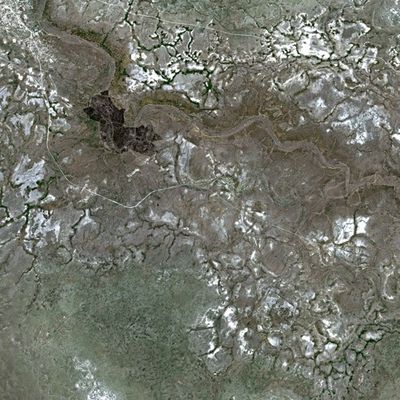
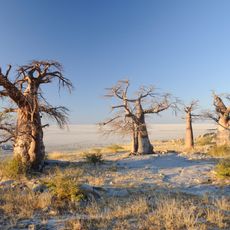
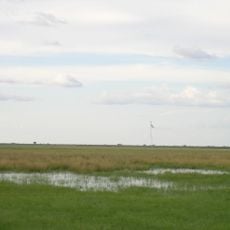
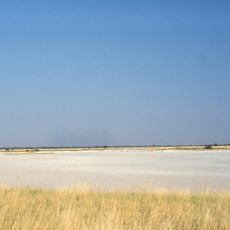
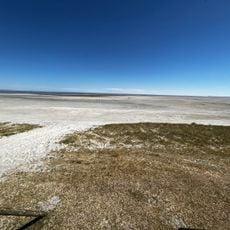
Lake Makgadikgadi was an immense prehistoric water body in the Kalahari Desert whose bed covers a vast expanse across northeastern Botswana. Today the landscape appears as flat, open terrain dotted with expansive salt pans that seasonally accumulate water during rainfall.
The lake formed around two million years ago and vanished roughly ten thousand years ago as the climate became increasingly dry. This dramatic transformation left behind the salt pans visible today as remnants of this once-thriving water body.
Scientific evidence indicates this region served as the origin point for modern humans approximately 200,000 years ago.
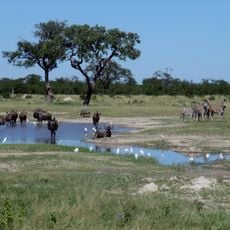
The area is flat and open, making it easy to navigate and observe, though the hot and dry environment demands caution. Visitors should bring plenty of water and sun protection, with the best time to visit being during or shortly after the rainy season.
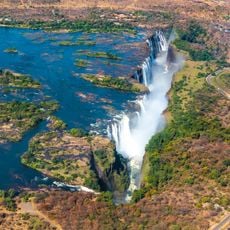
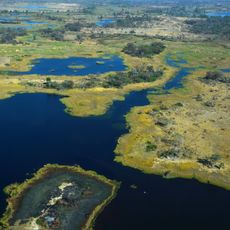
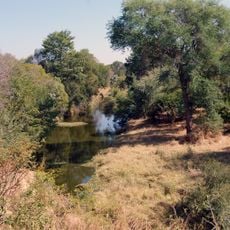
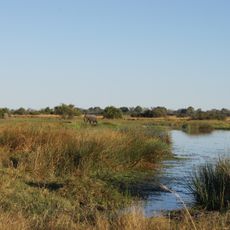
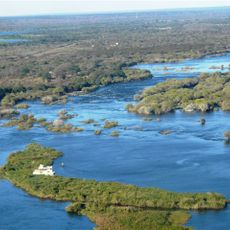
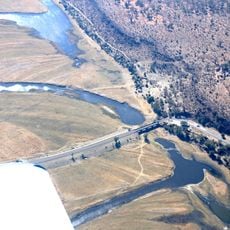
Three major rivers - the Okavango, Upper Zambezi, and Cuando - once fed this prehistoric lake with their waters. These hydrological connections reveal how different regions of southern Africa were once linked through this immense water system.
The community of curious travelers
AroundUs brings together thousands of curated places, local tips, and hidden gems, enriched daily by 90,902 contributors worldwide.