Khami, ruined city and capital of the Kingdom of Butua
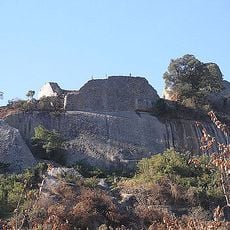
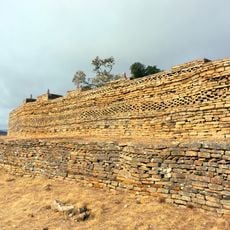
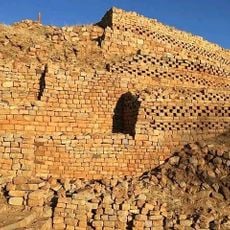
Khami is an ancient city featuring extensive ruins of stone walls and terraces spread across a large area just west of Bulawayo. The site contains multiple platforms of varying sizes built from local granite, which once served as residences, gathering places, and storage structures for the population that lived here.
The site served as the capital of the Torwa State from around 1450 until approximately 1683, becoming an important center for trade and authority in southern Africa. The city was eventually abandoned in the 19th century, yet the carefully constructed stone structures remain as evidence of the builders' skills and organizational capacity.
Khami's name is also written Khame, Kame or Kami. The site was a trade hub linked through Swahili ports to Europe, North Africa and China; finds include Ming porcelain from the Wan-Li period (1573–1620), 16th-century Rhenish stoneware and 17th-century Spanish silverware, many displayed in Bulawayo's Natural History Museum. A monumental granite cross records contact with missionaries.
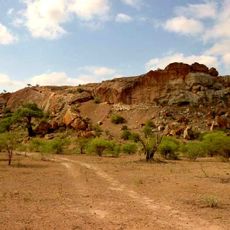
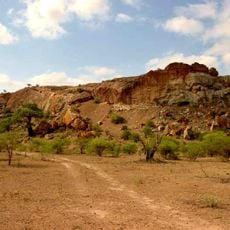
The ruins cover 108 hectares and run about two kilometres from the Passage Ruin to the North Ruin, so plan enough time to walk between the platforms. The Hill Complex sits on higher ground at the north of the site, with the decorated precipice wall below it. Much of the stonework is unrestored dry-stone walling, and the terraces lean inwards.
Khami was a trading centre linked through Swahili ports to Europe, North Africa and China. Finds include Ming porcelain from the Wanli period (1573–1620), 16th-century Rhenish stoneware, 17th-century Spanish silverware and Portuguese imitations of Chinese porcelain, many now in Bulawayo's Natural History Museum.
The community of curious travelers
AroundUs brings together thousands of curated places, local tips, and hidden gems, enriched daily by 93,202 contributors worldwide.