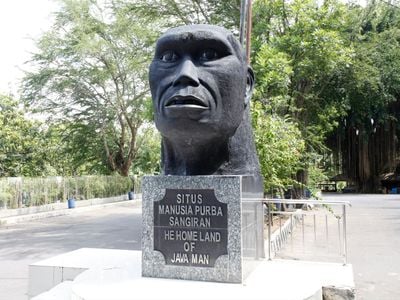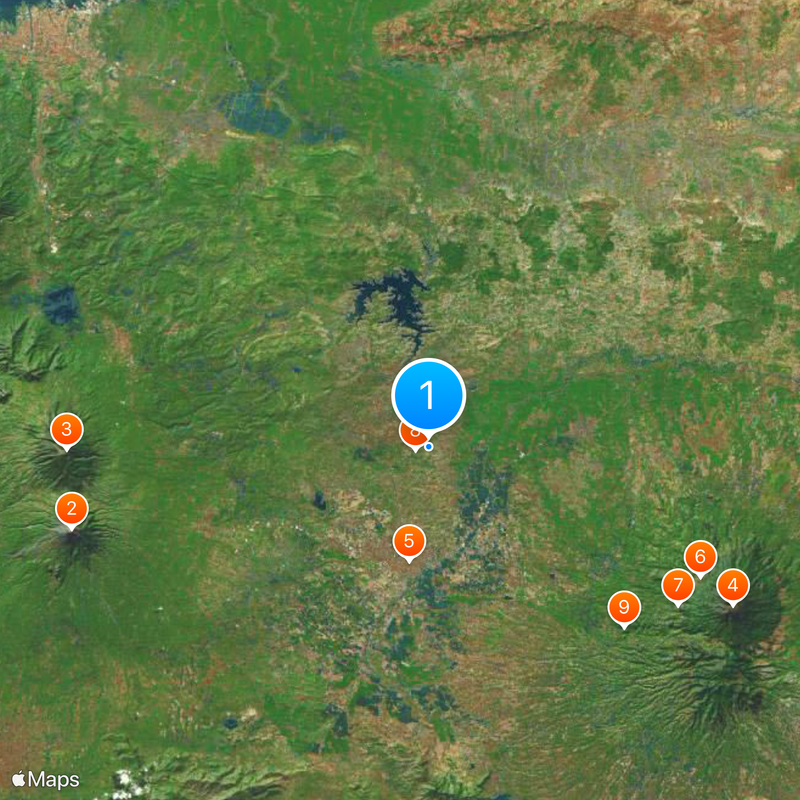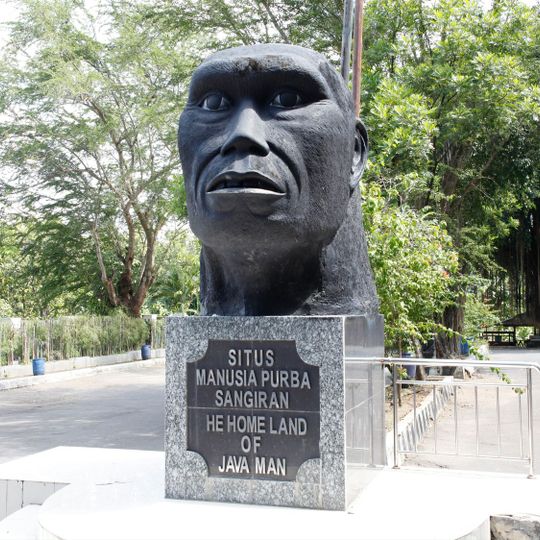
Sangiran, Archaeological site in Central Java, Indonesia.
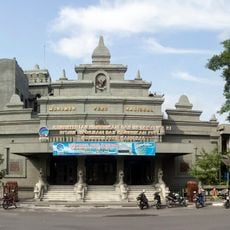
Sangiran is an archaeological site in Central Java, Indonesia, spread over gentle hills and farmland along the Bengawan Solo River. Several small pavilions mark key excavation points where bones and stone tools emerge from the soil.
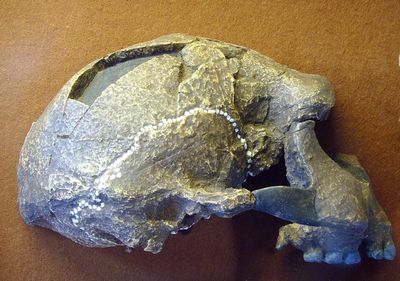
Dutch geologists discovered the first human remains in the river deposits during the early 20th century, triggering decades of excavation work. The layers of sediment document nearly two million years of occupation and climate change across the region.
Local farmers regularly bring bones and stone tools to the museum after finding them while plowing their rice paddies near the excavation zones. The small museum at the edge of the site organizes these objects by age and shows how early humans shaped flint and basalt for cutting and scraping.
The drive from nearby Surakarta takes about an hour by car or motorbike through rice fields and small villages. The terrain is open and flat, so visitors can walk easily between the pavilions and the museum building.
The bone remains often come from layers of volcanic ash, offering clues about large eruptions in the area during early human times. Some tools show signs of repeated reworking over many generations.
The community of curious travelers
AroundUs brings together thousands of curated places, local tips, and hidden gems, enriched daily by 90,899 contributors worldwide.