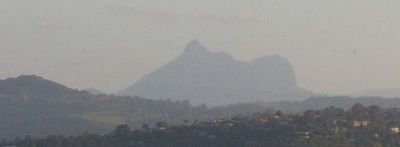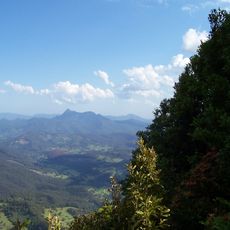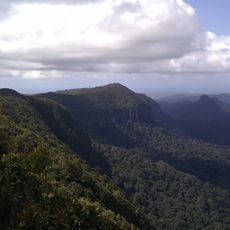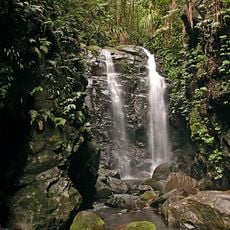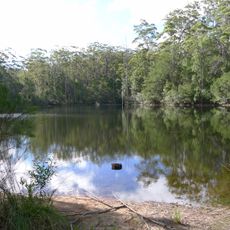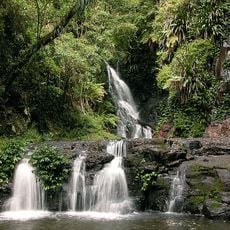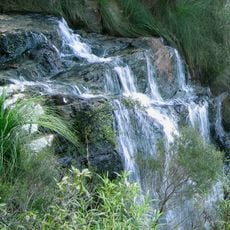
Wollumbin National Park, Ancient volcanic peak in New South Wales, Australia.
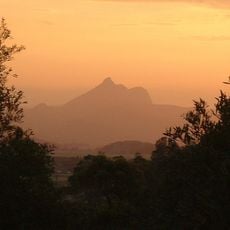
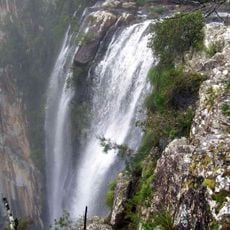
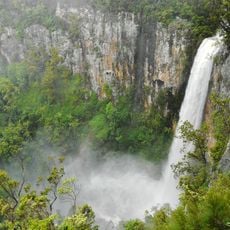
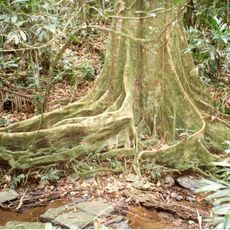
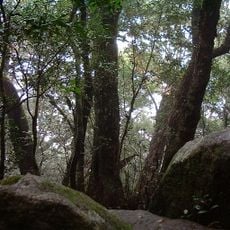
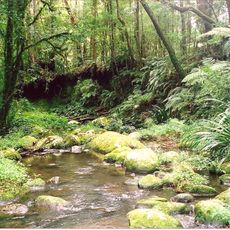
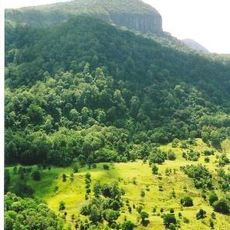
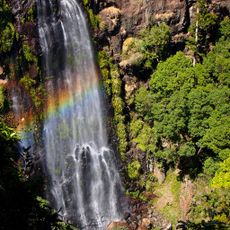
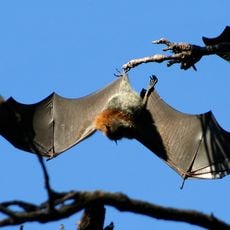
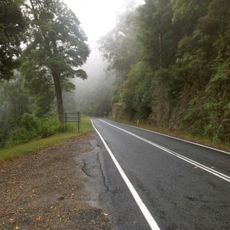
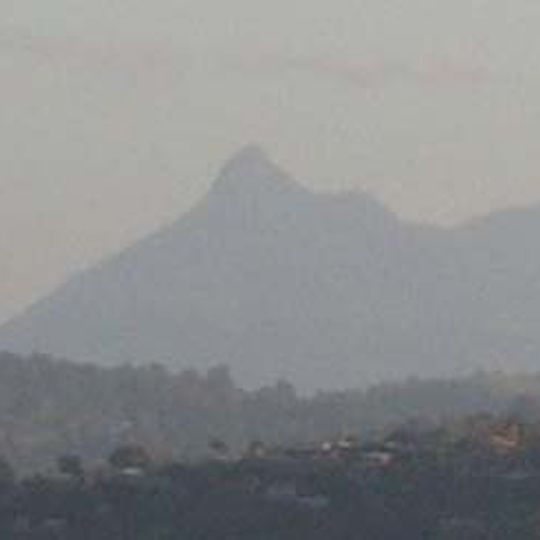
Wollumbin is an extinct volcanic peak within a national park spanning about 24 square kilometers in northern New South Wales. The area is covered by subtropical rainforest, with the mountain rising to 964 meters and surrounded by diverse plant and animal life.
Captain James Cook discovered the mountain during his 1770 expedition and marked it as a navigation reference for sailors along the coast. The geological core is a remnant of volcanic activity from millions of years ago during the Miocene period.
The name Wollumbin comes from the Bundjalung language of the local indigenous people. The mountain holds deep significance in their traditions and stories, serving as a landmark that has shaped how people understand this landscape.
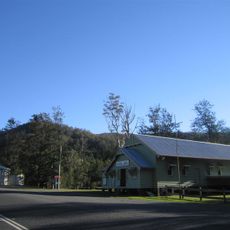
The park has marked walking trails that pass through the rainforest with varying difficulty levels for different visitors. Access to the area is easiest from Murwillumbah, the nearby town that serves as the main starting point for exploring the trails.
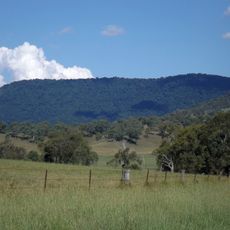
The mountain is actually the central plug of an ancient shield volcano whose outer structure has eroded away over time. This geological story is written into the landscape itself, and careful observers can see how the surrounding terrain reflects the remains of that ancient volcanic system.
The community of curious travelers
AroundUs brings together thousands of curated places, local tips, and hidden gems, enriched daily by 90,917 contributors worldwide.