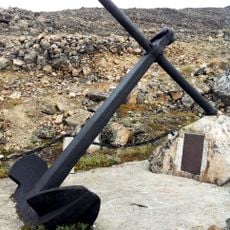
Cape Prince of Wales, Westernmost headland in North America, Nome Census Area, US
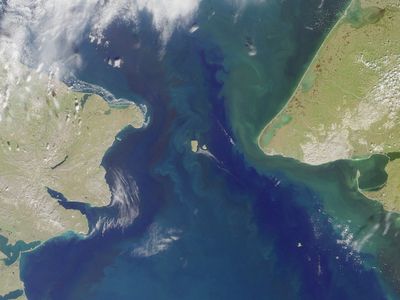
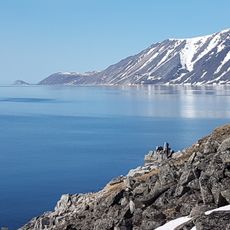
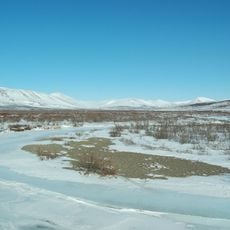
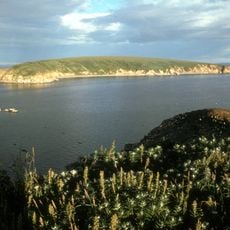
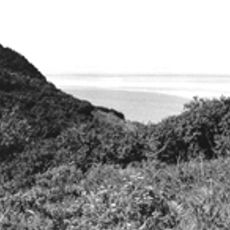
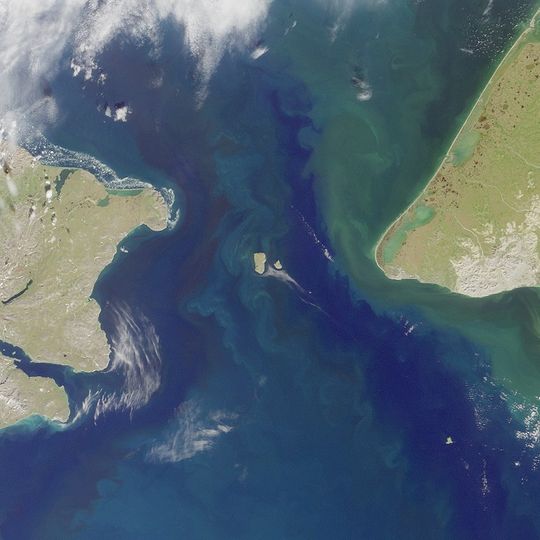
Cape Prince of Wales is the westernmost point of mainland North America, a rocky headland jutting into the Bering Strait between the Bering Sea and the Chukchi Sea. From the tip, the Russian coast is visible on clear days, sitting roughly 55 miles (about 90 km) away.
British captain James Cook gave the cape its English name in 1778, honoring the Prince of Wales at that time. Decades before that, in 1732, the Russian navigator Mikhail Gvozdev had already reached this point during an expedition, though the Yupik people had known it under their own name for generations.
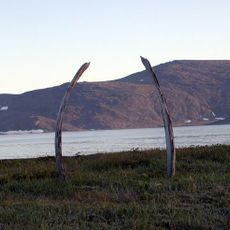
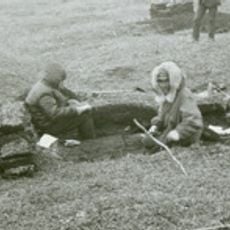
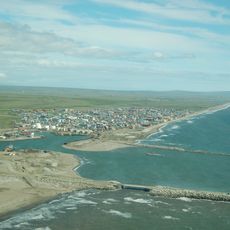
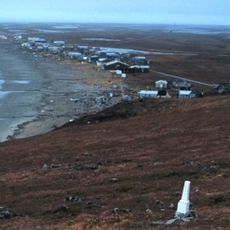
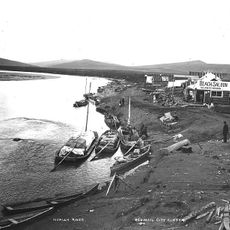
The Yupik village of Wales still sits at the base of the cape, making it one of the westernmost permanently inhabited places in North America. Visitors who reach the area can observe a community that has long shaped its daily life around the sea and the land.
The cape is only reachable by small plane, as no roads connect this part of Alaska to the rest of the state. Weather can shift rapidly here, so warm and windproof clothing is a necessity no matter the time of year.
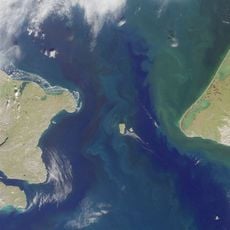
On a clear day, the two Diomede Islands are visible from the cape, and they sit so close to each other that one belongs to the US and the other to Russia. The international date line passes between them, meaning the two islands are in different calendar days at the same moment.
The community of curious travelers
AroundUs brings together thousands of curated places, local tips, and hidden gems, enriched daily by 91,385 contributors worldwide.