Alaska Marine Highway, Ferry network in Southeast Alaska, United States
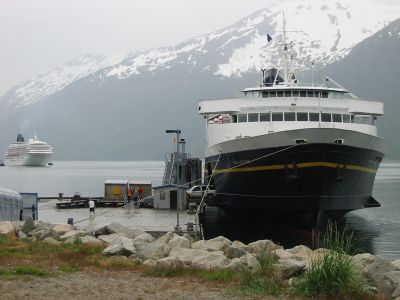
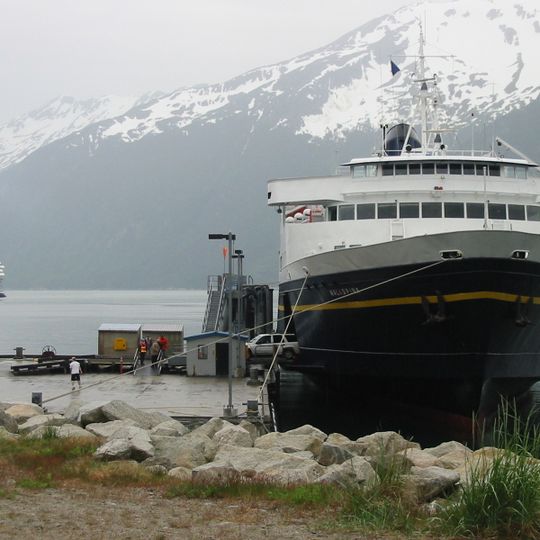
The Alaska Marine Highway is a ferry network system extending thousands of miles along the Pacific coast, connecting more than 30 ports across Southeast Alaska and beyond. The system carries vehicles, foot passengers, and cargo between otherwise isolated coastal communities, operating year-round.
The ferry service began after World War II to connect coastal communities that had no road access to each other. Over the decades, the system expanded and became an integral part of the region's transportation infrastructure.
The ferry network serves as a lifeline for coastal residents, enabling them to visit family, access services, and conduct daily business with neighboring settlements. People rely on these boats the way others depend on highways, making them essential to how communities stay connected.
The ferries accommodate cars, motorcycles, and larger vehicles on deck, while foot passengers can board directly. On longer journeys, travelers can choose between cabins with sleeping accommodations or open seating areas for a more budget-friendly option.
The system holds the official designation of an All-American Road, a rare honor for a water route instead of a highway. This recognition emphasizes the route's importance to the nation's infrastructure and connectivity.
The community of curious travelers
AroundUs brings together thousands of curated places, local tips, and hidden gems, enriched daily by 90,774 contributors worldwide.