Joshua Tree National Park, National Park in California, United States
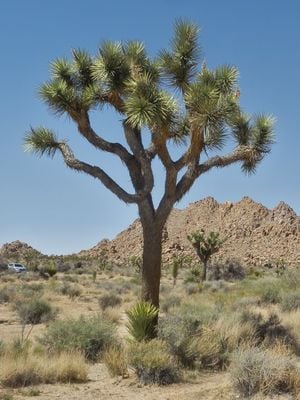
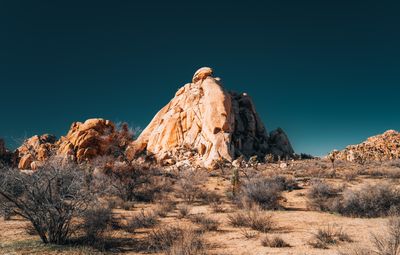
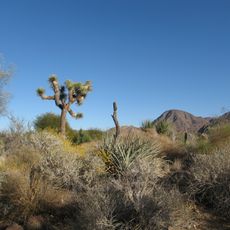
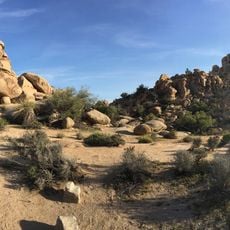
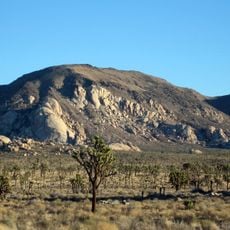
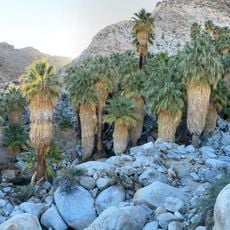
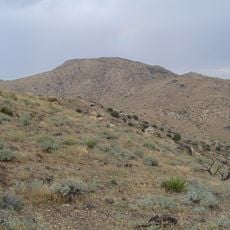
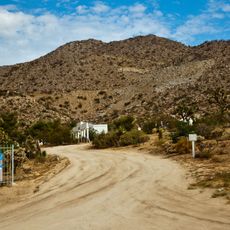
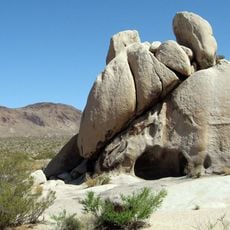
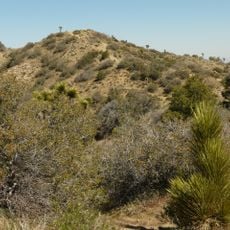
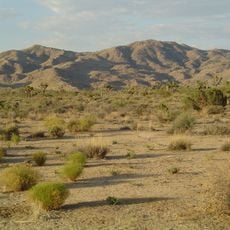
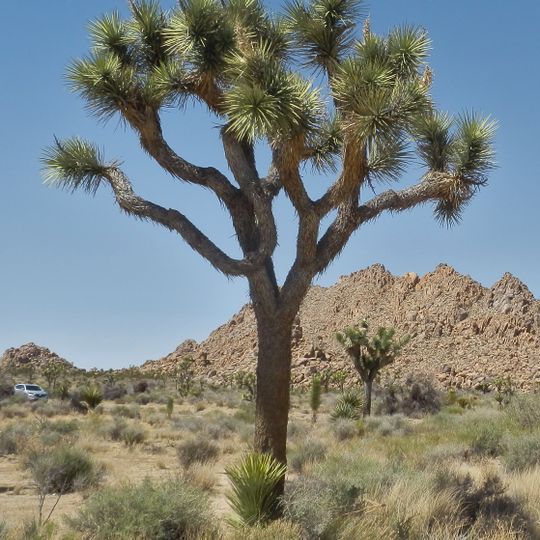
Joshua Tree National Park covers 795,156 acres (3,217.9 km2) in southeastern California, where the higher Mojave Desert meets the lower Colorado Desert. The park is named for the Joshua tree (Yucca brevifolia), a tall yucca with a fissured trunk and branches ending in rosettes of stiff, narrow, yellow-green leaves. Bare rock formations, including monzogranite outcrops at Jumbo Rocks and Wonderland of Rocks, rise from the dry ground.
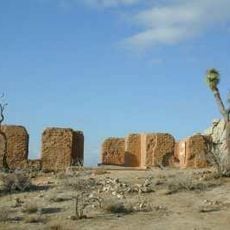
Native groups including the Serrano, Cahuilla, and Chemehuevi left rock art and pottery as evidence of their presence in the area. The territory became a national park in 1994 after decades of protection as a national monument.
Mormon settlers gave the trees their name after seeing upward branches that reminded them of arms raised in prayer. This 19th-century interpretation still shapes how visitors think about and talk about the desert plants today.
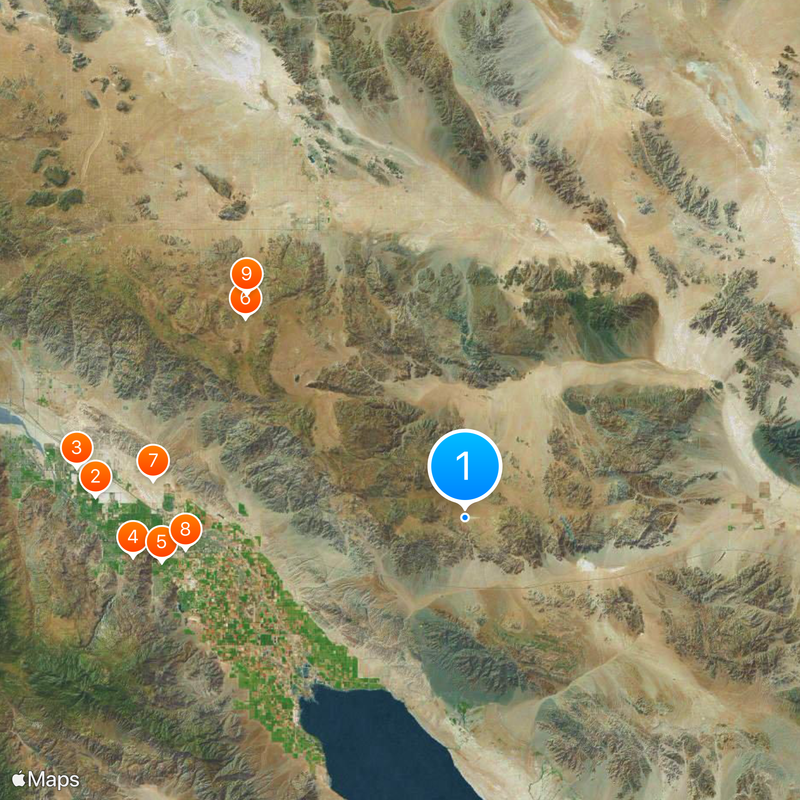
The park has three entrances: the main one near Twentynine Palms, the west entrance at Joshua Tree Village and the south entrance at Cottonwood Springs. Overnight stays are limited to simple campgrounds, most without running water; hotels are in nearby towns. A road for four-wheel-drive vehicles only runs from Interstate 10 in the south to Park Boulevard in the centre. In high summer the park is nearly empty and already scorching by nine in the morning.
The trees that give the park its name can grow up to 15 meters (49 feet) tall and depend entirely on a single moth species, the yucca moth, to reproduce. Without these moths, the plants cannot form seeds, making their survival completely tied to this small insect.
The community of curious travelers
AroundUs brings together thousands of curated places, local tips, and hidden gems, enriched daily by 92,142 contributors worldwide.