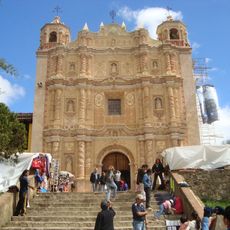
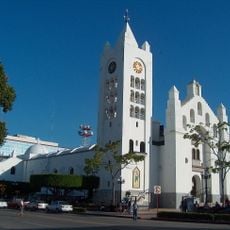
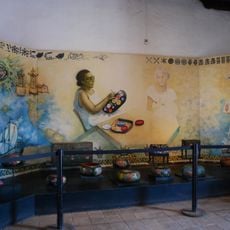
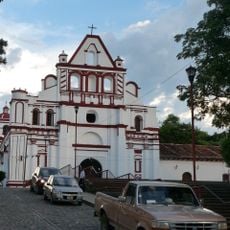
Chiapa de Corzo, Archaeological settlement in Chiapa de Corzo, Mexico.
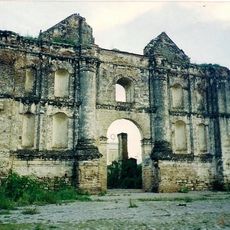
Chiapa de Corzo is an archaeological site in Mexico that covers about 70 hectares of land near the Grijalva River and contains numerous pyramids and ceremonial structures. The remains reveal the architectural styles of different ancient civilizations that were active in this region.
The settlement emerged around 700 BCE as a regional center controlling trade routes between the Pacific coast and the Gulf of Mexico through the Soconusco region. Over time it became an important hub where different Mesoamerican groups exchanged goods and ideas.
The Zoque, Mixe–Zoquean speakers linked to the Olmec, built the city; by 700 BCE their culture acted as a conduit between Gulf Olmec society and the early Maya. The site has yielded more clay cylinder seals and flat stamps than any Formative Mesoamerican site except Tlatilco, some bearing hieroglyphs made around 100 BCE. After the Chiapanec took the area around 1350, the abandoned Zoque city became a place of pilgrimage.
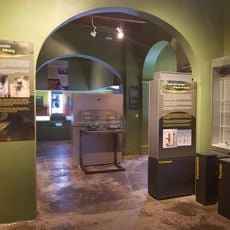
The site lies east of the modern town, on the plateau above the Grijalva floodplain; the excavated core is reached from the town centre. INAH opened the small visitor area on 8 December 2009, with tourist information, security and toilets on site. Roads, houses and a cemetery have cut into the surrounding ruins, so follow the marked paths.
The 2010 tomb in Mound 11 held a dignitary and dates to about 700 BCE, roughly 600 years older than comparable tombs at Tikal and Kaminaljuyu. Archaeologist Bruce Bachand notes its Olmec rather than Maya affinities. The same mound yielded a deposit of Olmec axes in 2008, tied to one of Mesoamerica's earliest E-Group astronomical complexes.
The community of curious travelers
AroundUs brings together thousands of curated places, local tips, and hidden gems, enriched daily by 92,814 contributors worldwide.