Quechula, Ancient Maya archaeological site in Chiapas, Mexico
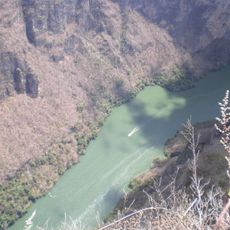
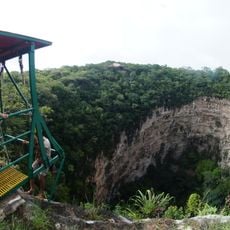
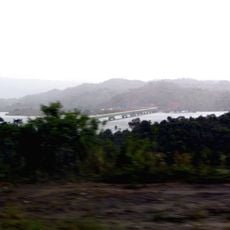
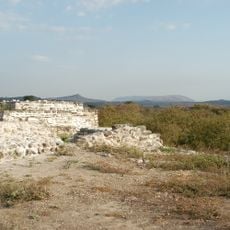
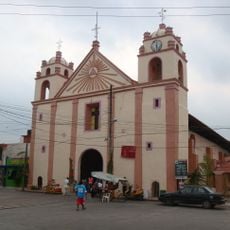
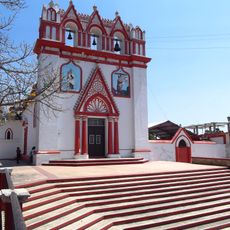
Quechula is an ancient Maya settlement in southern Mexico positioned along the Grijalva River. The site reveals foundations of ceremonial and domestic structures scattered across the landscape in their archaeological positions.
The settlement flourished as a regional hub during the Classic Maya period between 250 and 900 AD. The site was gradually abandoned, eventually disappearing from historical records.
The buildings and artifacts found at the site demonstrate the advanced architectural and agricultural methods developed by the Maya civilization.
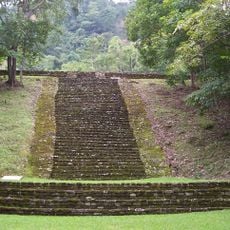
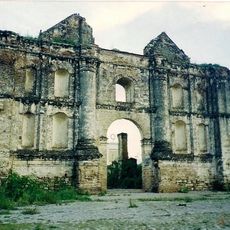
The site remains largely unexcavated with natural terrain and scattered stone features. Access is easier during the dry season when ground conditions are more favorable for walking.
The riverside location was instrumental in the site's development as a trading and agricultural hub. The Maya engineered sophisticated systems to harness water and soil conditions, which allowed the settlement to sustain a larger population than typical for inland settlements.
The community of curious travelers
AroundUs brings together thousands of curated places, local tips, and hidden gems, enriched daily by 92,634 contributors worldwide.