Malpasito, Zoque archaeological site in Huimanguillo, Tabasco, Mexico
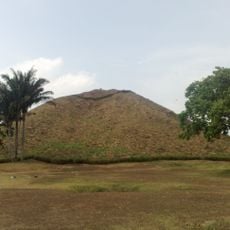
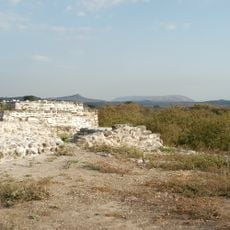
Malpasito is an archaeological complex with around 53 rectangular structures arranged around plazas and sunken courtyards across roughly 17 hectares. The buildings follow a north-south axis pattern that reveals how the Zoque people organized their ceremonial spaces.
The Zoque people established this settlement between 700 and 900 CE, building terraces on mountainous terrain to create platforms for their ceremonial buildings. The construction demonstrates how they adapted the challenging landscape to create lasting structures.
The name Malpasito comes from the nearby town of Raudales Malpaso and refers to the broken relief of the sierra; the original name of the pre-Hispanic city is unknown. The ball court, shaped like a T with one open end, had a drainage system against rain, and the day before a game players purified themselves in the steam bath of Structure 18 and kept vigil in Structure 21.
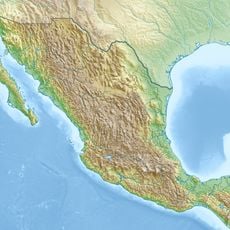
The site lies about 500 m southwest of the village of Malpasito, near Highway 1450, roughly 135 km southwest of Villahermosa and 113 km northwest of Tuxtla Gutiérrez, at an elevation of about 300 m. Access is via the crest of a hill at the northeast end, the only entrance between two ravines. The upper civic-ceremonial area holds most of the structures open to the public; unexcavated mounds line the path up.
The ballcourt has no markers or benches, but a drainage system kept water from pooling in the court and inside the structures during the rainy season. Its T-shaped, uneven court is framed by four rectangular structures and an access stairway.
The community of curious travelers
AroundUs brings together thousands of curated places, local tips, and hidden gems, enriched daily by 94,515 contributors worldwide.