Huimanguillo, Municipal administrative division in Tabasco, Mexico.
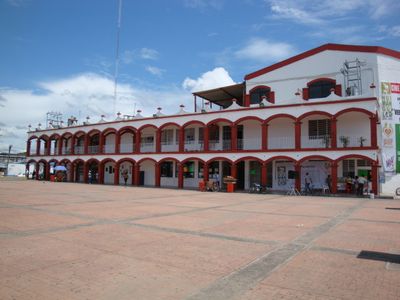
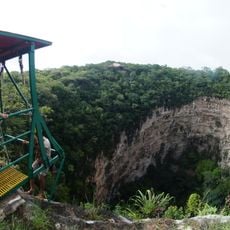
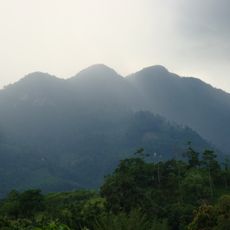
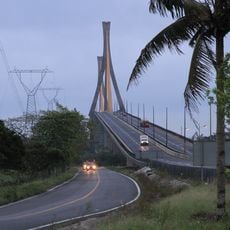
Huimanguillo is an administrative territory in southeastern Tabasco that covers a large area with diverse landscapes. The municipality connects agricultural zones with river regions and links to other parts of the state through two federal highways.
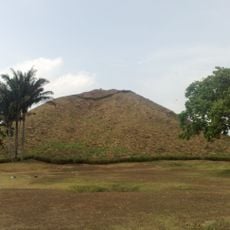
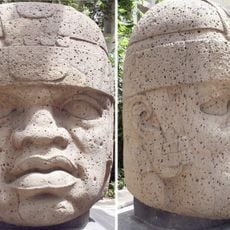
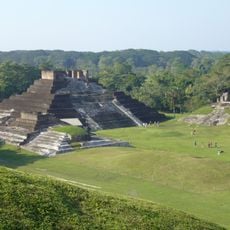
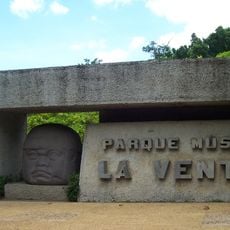
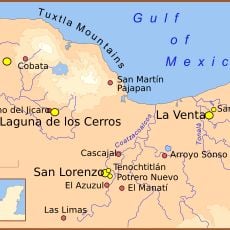
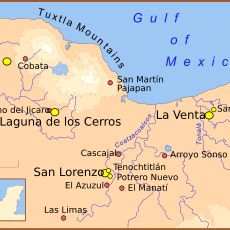
The region was settled by the Olmec people around 1000 BCE, who established major centers such as La Venta. Later, other cultures including the Zoque left their own architectural traditions throughout the area.
The name comes from the Nahuatl language and means 'place of the principal chief,' reflecting its role as a center of power in pre-Hispanic times. This linguistic heritage connects the modern municipality to the indigenous peoples who shaped the region.
The territory is best explored by car, as the federal highways are the main access routes and public transport is limited. Visitors should prepare for tropical weather and pay attention to the rainy season, which can affect road conditions.
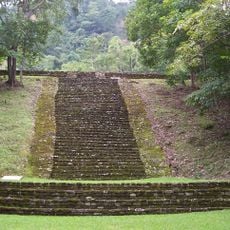
The Malpasito zone features Zoque cultural structures aligned on an unusual south-north axis. This distinct orientation sets it apart from typical building patterns of the era and offers insight into the different traditions of pre-Hispanic peoples.
The community of curious travelers
AroundUs brings together thousands of curated places, local tips, and hidden gems, enriched daily by 92,653 contributors worldwide.