El Manatí, Olmec ceremonial bog site in Hidalgotitlán, Veracruz, Mexico
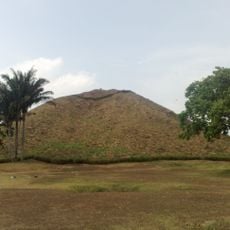
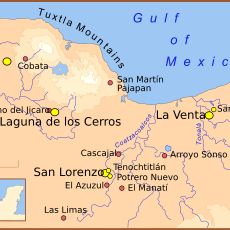
El Manatí is an archaeological site at the foot of Cerro Manatí, about 15 km southeast of the Olmec center of San Lorenzo Tenochtitlán in Veracruz. It is a spring and bog with no ceremonial or domestic architecture, where deposits of wooden busts, rubber balls, jadeite axes and infant bones were found in the muck.
The site served as a ceremonial center for the Olmec between 1600 and 1200 BCE, where people performed important religious rituals. The practice of making offerings here continued for generations, showing how long this place remained sacred to them.
The name El Manatí comes from the manatee, a reference to the water of the spring at the foot of Cerro Manatí. Offerings were laid out deliberately rather than dumped: sculptures 5, 6 and 7 were placed on their sides in a triangle, facing inward, under a mat. Infant bones and unused obsidian knives found in the muck point to sacrifice.
The site sits in a marshy area and is not easily accessible to casual visitors without prior coordination with authorities. You should be prepared for wet conditions and follow local guidance when planning a visit to this remote location.
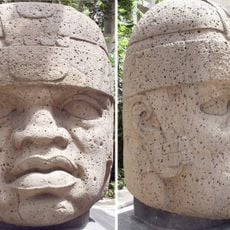
The boggy ground has preserved about 37 wooden busts and sculptures that are more than 3000 years old. These rank among the oldest known wooden works found anywhere in Mexico and show how rare it is for organic materials to survive so long.
The community of curious travelers
AroundUs brings together thousands of curated places, local tips, and hidden gems, enriched daily by 93,804 contributors worldwide.