Bará people, Indigenous community in Vaupés Department, Colombia
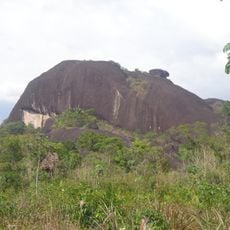
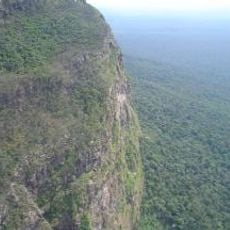
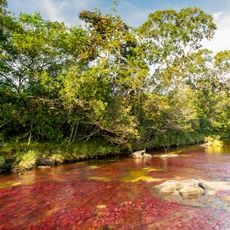
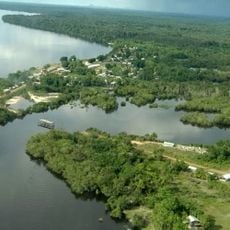
The Bará people inhabit the headwaters of the Tiquié River, settling in territories across Colombia and Brazil, particularly along the Inambú and Papurí Rivers. They form eight patrilineal clans who share and manage their ancestral lands.
The Bará people maintain deep roots in their region, with their history closely tied to the management and protection of their forest lands. Their presence across both countries reflects the historical continuity of settlement across boundaries.
The Bará live in large communal houses called malocas, built with separate entrances for men and women. This living arrangement shapes their daily life and reflects their social organization.
Bará life centers on shifting agriculture with cassava as the main crop, combined with hunting and fishing in their forest territories. Access to their lands happens mainly by river and requires time and planning for any visit.
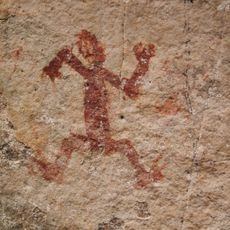
The dabucurí ceremony is an exchange between Bará communities where sacred yurupari instruments are played and meat and fish are traded for cassava chicha. This ritual merges trade practices with spiritual meaning.
The community of curious travelers
AroundUs brings together thousands of curated places, local tips, and hidden gems, enriched daily by 60,000 contributors worldwide.