Quimbaya Museum, Pre-Hispanic art museum in Armenia, Colombia
The Quimbaya Museum is a collection of pre-Columbian art from indigenous civilizations in Armenia. It holds around 390 gold artifacts, more than 100 ceramic pieces, and approximately 20 stone sculptures created by different indigenous societies.
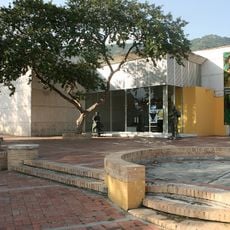
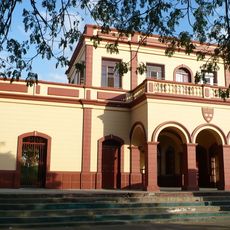
The Banco de la República began protecting Colombia's archaeological heritage in 1939, assembling the collection that would later supply both the Bogotá Gold Museum and this one. The Quimbaya Museum was founded in July 1986 in Armenia, in a building by architect Rogelio Salmona. Its exhibition rooms received the National Architecture Prize in 1988.
The gold poporos, vessels for chewing coca leaves, and the zoomorphic vases are among the pieces a visitor can pick out. The objects come mainly from the Quimbaya and Embera peoples, and for these cultures gold was a sacred metal, so the metalwork and pottery speak of their beliefs.
The museum stands in Armenia's city centre, and entry is free to the public. The building was designed by Rogelio Salmona, so allow time to look at the galleries themselves as well as the goldwork, pottery and stone pieces.
Rogelio Salmona's design for the museum earned Colombia's National Architecture Prize in 1988. The building is organised around open courtyards and water channels, a device Salmona used to control light and connect the exhibition rooms with the surrounding landscape.
The community of curious travelers
AroundUs brings together thousands of curated places, local tips, and hidden gems, enriched daily by 93,672 contributors worldwide.