Orinoquía natural region, Natural region in eastern Colombia
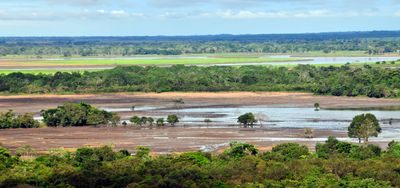
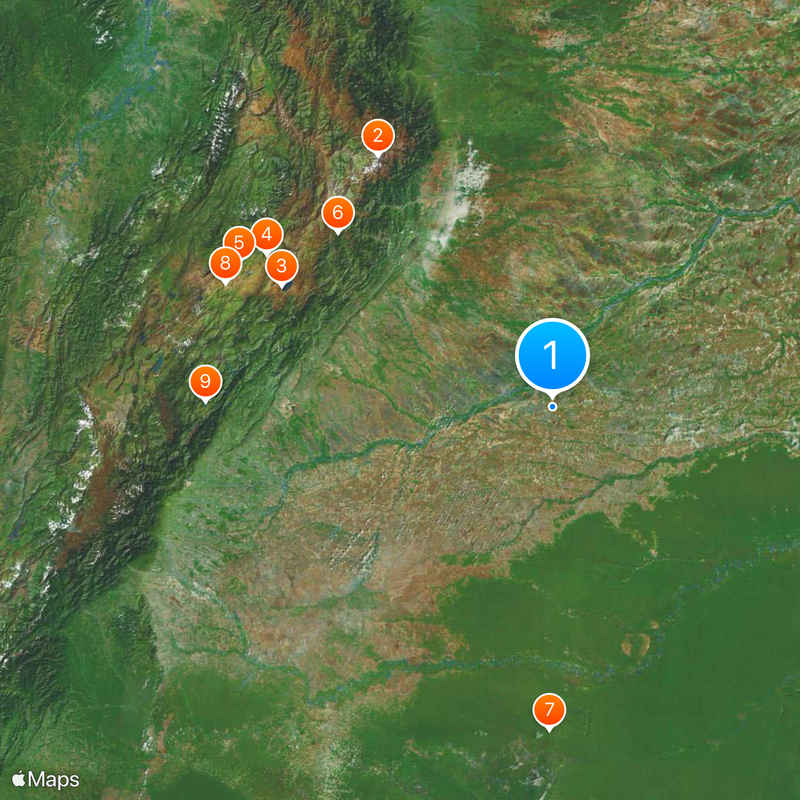
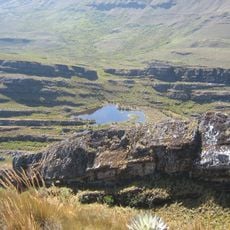
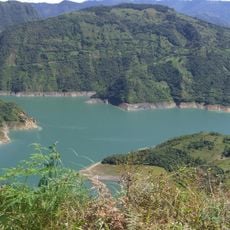
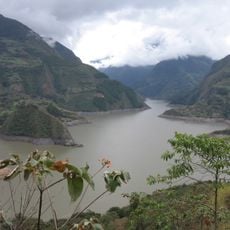
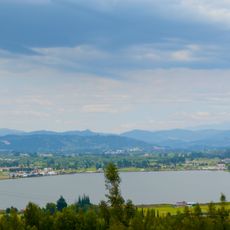
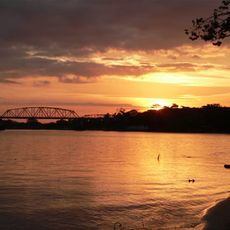
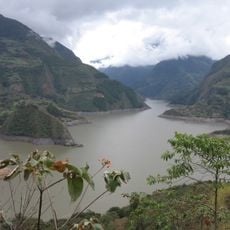
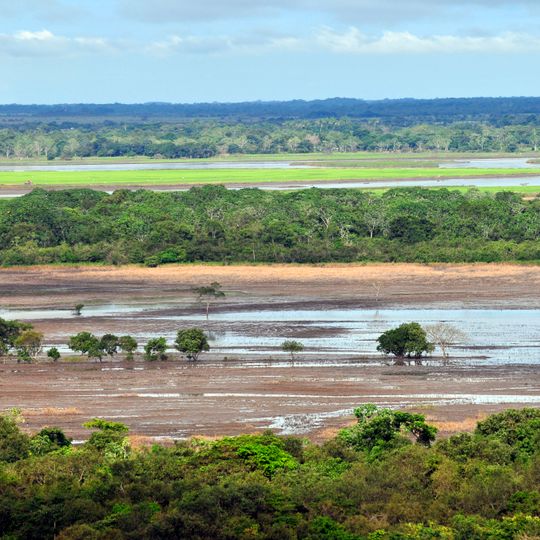
The Orinoquía is a large natural region in eastern Colombia, stretching between the Andes and the Orinoco River and covering wide plains, savannas, and wetlands. The terrain shifts between flat grasslands and gallery forests along waterways, with river systems winding through open landscapes.
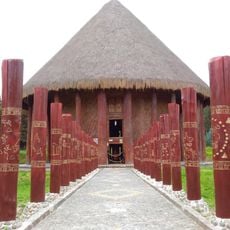
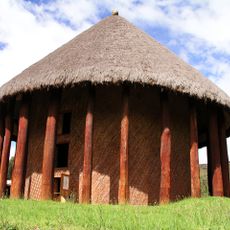
Indigenous communities lived along the river systems and developed hunting and fishing methods adapted to seasonal flooding. Spanish colonizers brought cattle and horses into the area, laying the foundation for the later ranching culture.
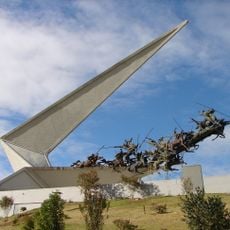
Llanero culture revolves around cattle ranching and horsemanship, with riders guiding large herds across the grasslands. Visitors can hear traditional music played on harps and maracas at gatherings and festivals, reflecting the cowboy way of life.
The area has a marked wet season from April through November, when rivers swell and flood wide sections of the plains. The dry season from December through March makes travel easier and allows access to remote areas that are difficult to reach during the rainy months.
Four national parks lie within this area, including Sierra de La Macarena with the river Caño Cristales. The water shows different colors from aquatic plants growing on the riverbed, which glow red, yellow, and green under certain light conditions.
The community of curious travelers
AroundUs brings together thousands of curated places, local tips, and hidden gems, enriched daily by 91,848 contributors worldwide.