Playa Negra, Surf beach in Guanacaste Province, Costa Rica
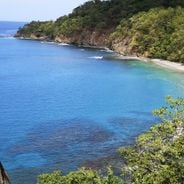
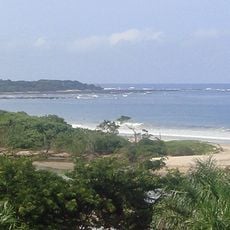
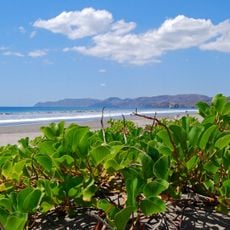
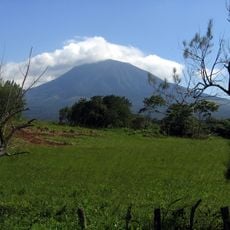
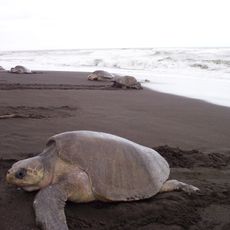
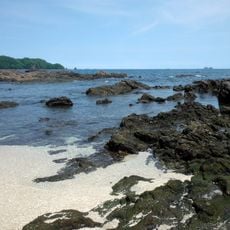
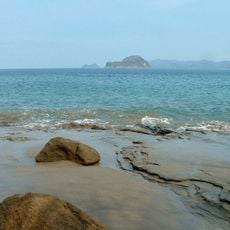
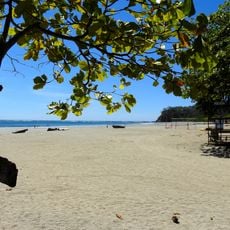
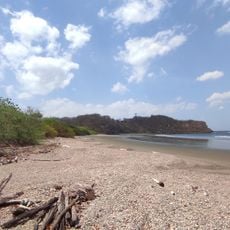
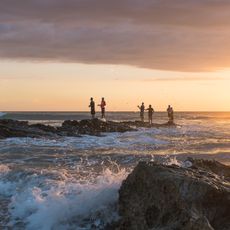
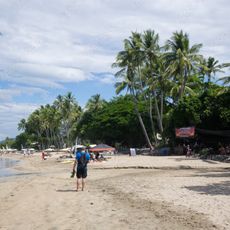
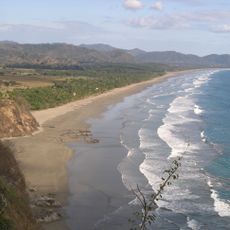
Playa Negra is a beach on the Pacific coast of Guanacaste Province in Costa Rica, known for its dark volcanic sand and rocky shoreline. The rocks extend into the water and shape the waves, creating defined surf zones as well as tide pools along the shore.
Playa Negra gained worldwide attention after Bruce Brown's film Endless Summer II, released in 1994, featured its wave. Some surfers say they rode the break as early as the 1970s. The 2012 Costa Rica earthquake lifted the reef plate, giving the wave better form on higher tides with smaller swells and a faster, hollower break at low tide.
The village where the beach lies is called Los Pargos, meaning "the snapper". Its commercial centre holds a Peruvian restaurant, a French kitchen, a Mexican grill, a pizzeria, an organic cafe and a surf art gallery, alongside a Pentecostal church, a Jiu Jitsu centre and surf camps.
Access is from Santa Cruz via 27 de Abril and then Paraíso, and the road through Los Pargos received 7 metres of rock base in 2010, keeping it passable most of the year. Culverts at the creek beds and bridges over the rivers help in the wet season, which runs from May to October. The beach lies south of Avellanas and north of Marbella and Junquillal.
The dark color of the sand comes from volcanic rock that has broken down over time along this stretch of coast. This same volcanic material forms the reef beneath the surface, which is what gives the waves here their shape and consistency throughout the year.
The community of curious travelers
AroundUs brings together thousands of curated places, local tips, and hidden gems, enriched daily by 94,448 contributors worldwide.