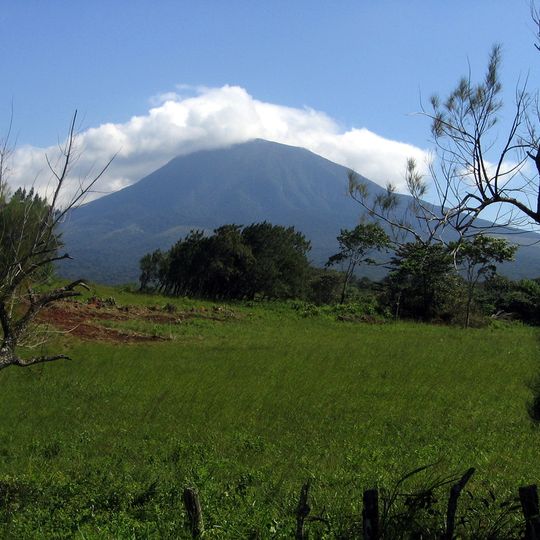
Area de Conservación Guanacaste World Heritage Site, Protected nature reserve in Guanacaste Province, Costa Rica
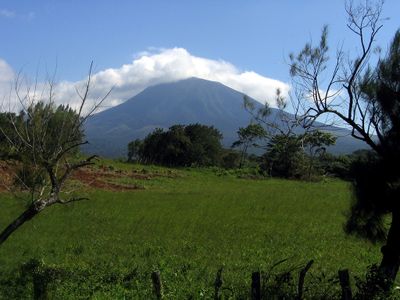
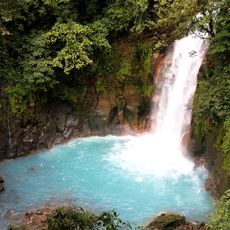
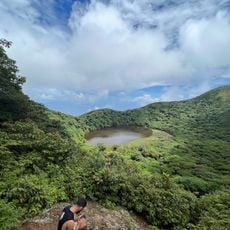
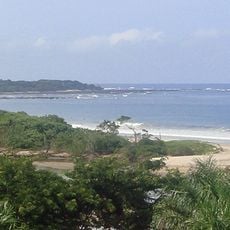
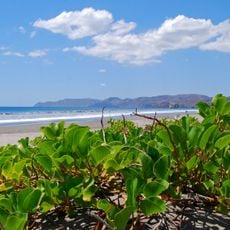
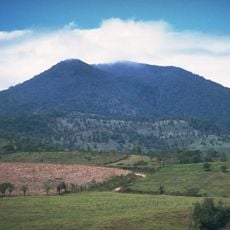
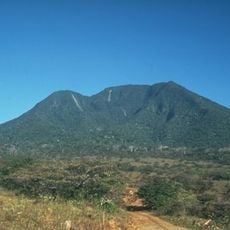
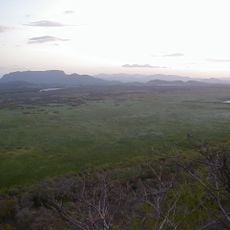
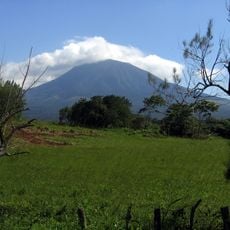
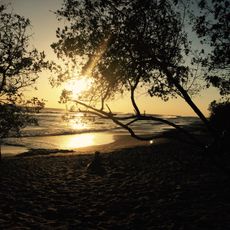
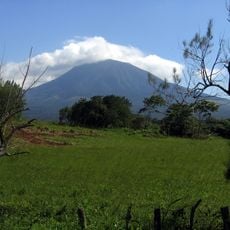
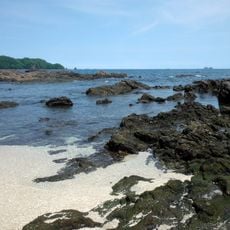
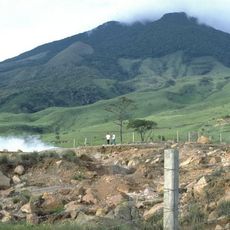
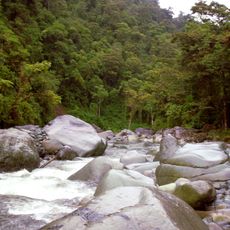
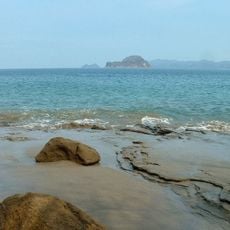
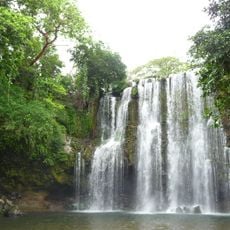
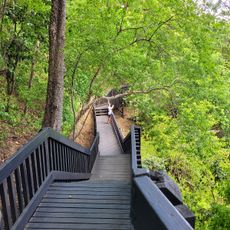
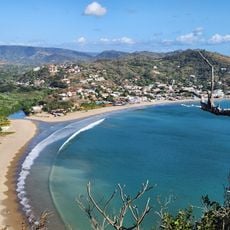
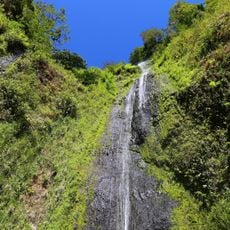
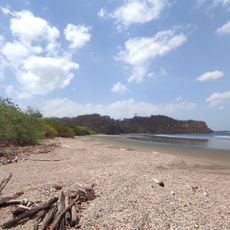
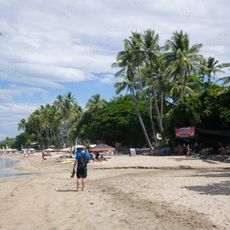
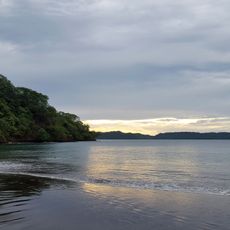
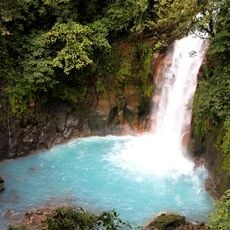
The Area de Conservación Guanacaste is a large protected nature reserve spanning about 163,000 hectares in northwestern Costa Rica that encompasses tropical dry forests, rainforests, cloud forests, and marine environments. Visitors access it through four main gateways: Santa Rosa National Park, Guanacaste National Park, Rincón de la Vieja Volcano National Park, and Junquillal Bay Wildlife Refuge.
It began as Santa Rosa National Park in 1971 and expanded gradually through land acquisitions before gaining UNESCO World Heritage status in 1999. This expansion created a continuous protected landscape that safeguards interconnected ecosystems across the region.
The conservation area maintains deep connections with regional indigenous communities whose traditional land management practices continue to shape how the area is cared for. These relationships are visible in the daily stewardship and protection of the land.
Access works best through the four main entry points, as each leads to different parts of the protected area. It helps to plan which entrance suits your interests and how to explore the various sections from there.
The reserve holds an extraordinary range of plant and animal life, with thousands of plant species and hundreds of vertebrate species, many of them rare and endangered. This biological wealth makes it one of the most important places for protecting threatened wildlife across the region.
The community of curious travelers
AroundUs brings together thousands of curated places, local tips, and hidden gems, enriched daily by 92,607 contributors worldwide.