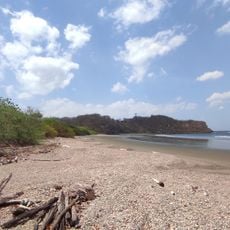
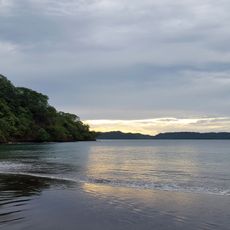
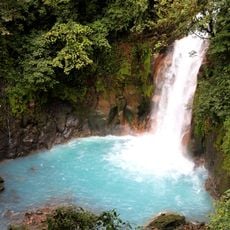
Orosí Volcano, Extinct volcano in Guanacaste National Park, Costa Rica
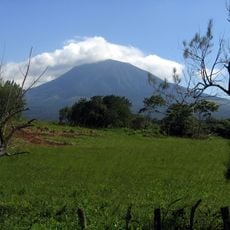
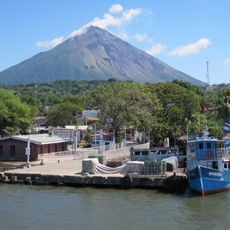
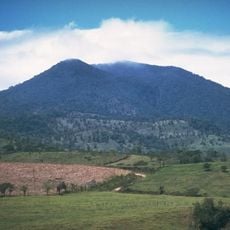
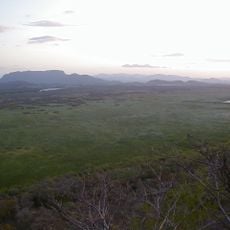
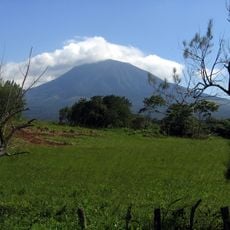
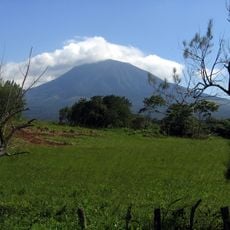
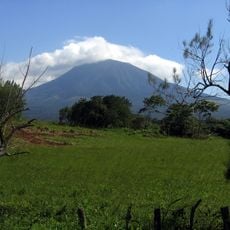
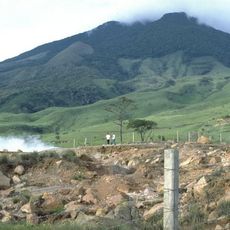
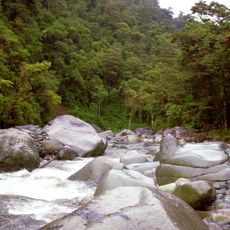
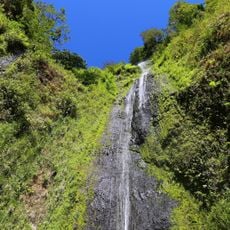
Orosí Volcano is an extinct volcano in northern Costa Rica, close to the Nicaraguan border, and part of the Guanacaste mountain range. It falls within Guanacaste National Park, a protected area covering a range of forest types across different elevations.
Orosí is a dormant stratovolcano whose last eruption is dated to about 3500 BC, not 3500 years ago. Radiocarbon work in 1986 placed volcanic mudflows descending from Orosí between 3400 and 4200 BC, though whether an eruption or a landslide caused them is unresolved. Claims of eruptions in 1844, 1849 and 1954 lack any basis, and ascents in 1899 and 1923 found no sign of activity.
The name Orosí comes from a Chorotega word first recorded in 1524 by treasurer Andrés de Cereceda, who used it for an indigenous king whose lands lay near the volcano. Archaeologists have found burials on the slopes dating from at least 300 BC, with ceramic funerary urns, clay incense burners shaped like volcanoes, jade offerings and obsidian blades. Some researchers suggest the original name may have been Urusí.
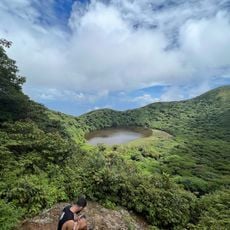
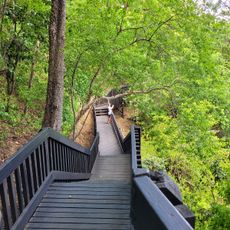
The hiking trails inside the national park offer routes of varying difficulty leading toward the upper slopes of the volcano. Conditions change fast at this elevation, so bringing layers and enough water is a good idea regardless of how the day starts.
At least 465 boulders bearing petroglyphs have been recorded on the volcano's western slope, at an altitude of about 500 metres. The carvings are easy to miss among the vegetation, so the western approach is where to look for them.
The community of curious travelers
AroundUs brings together thousands of curated places, local tips, and hidden gems, enriched daily by 93,765 contributors worldwide.