Guanacaste National Park, National park in Guanacaste Province, Costa Rica.
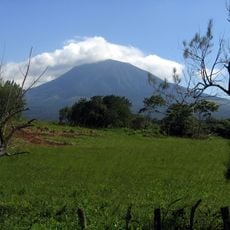
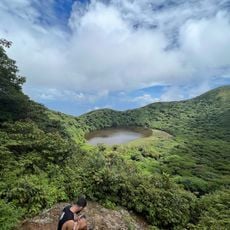
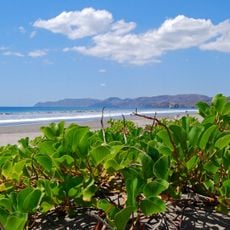
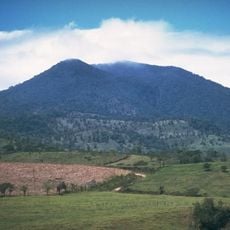
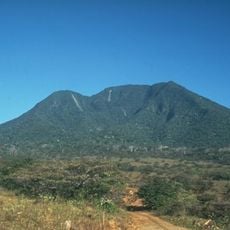
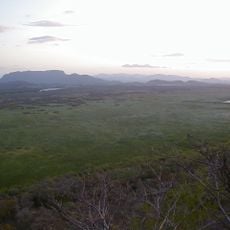
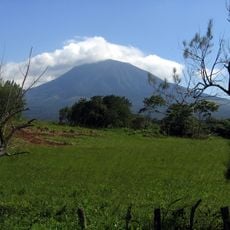
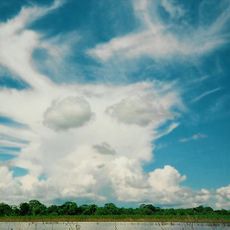
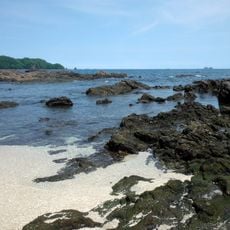
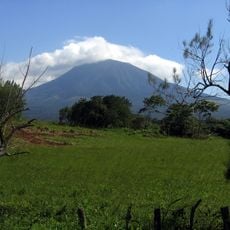
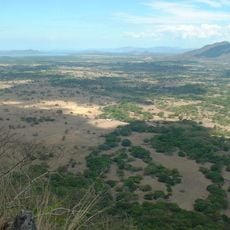
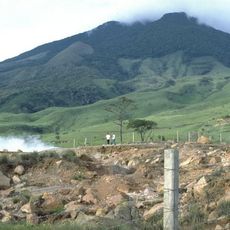
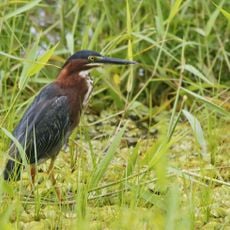
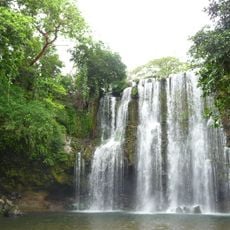
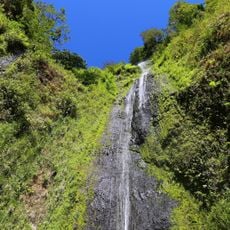
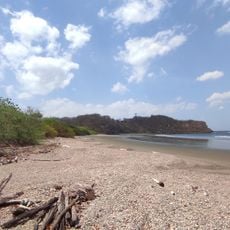
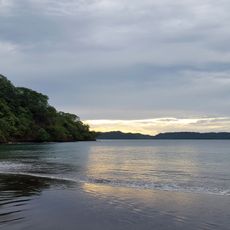
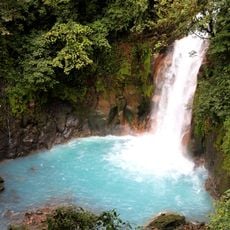
Guanacaste National Park is a protected area in the northwestern province of Guanacaste, Costa Rica, covering a range of terrain from dry lowland forest to wet highland zones. The landscape shifts noticeably as you move through it, with different tree cover, soil, and wildlife appearing at different elevations.
Guanacaste National Park was created in 1989 by Executive Decree 19124-MIRENEM/89, joining Santa Rosa and Rincón de la Vieja national parks in the Area de Conservación Guanacaste. Biologist Daniel Janzen campaigned and raised funds for it to form a corridor between dry and rain forests used by seasonal migrants. The area joined SINAC in 1994 and became a World Heritage Site in 1999; the Junquillal Bay Wildlife Refuge was added in 1995.
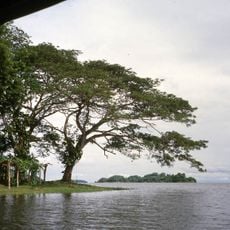
The park lies in Guanacaste Province, whose name comes from the guanacaste tree, Costa Rica's national tree. The park's stations carry local names: Pitilla in the northeast, Cacao on the volcano's southwestern slope, and Maritza between the two volcanoes. The Orosí trail passes El Pedregal, where several hundred petroglyphs were carved between 500 BC and 1500 AD.
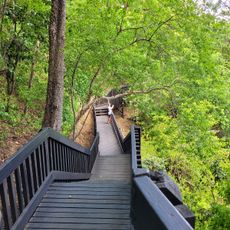
The dry season, which runs from December to April, is the most comfortable time to visit since trails are easier to walk and animals tend to gather near water sources. Some routes cover steep or uneven ground, so sturdy footwear is a good idea regardless of which trail you choose.
The park was designed not just to protect what was already there, but to allow cleared land to recover naturally over time by reconnecting it with intact forest. This makes it one of the few places where you can walk through forest that was once farmland, now slowly returning to its original state.
The community of curious travelers
AroundUs brings together thousands of curated places, local tips, and hidden gems, enriched daily by 93,902 contributors worldwide.