Seminole Canyon State Park and Historic Site, Natural and archaeological park in Val Verde County, US
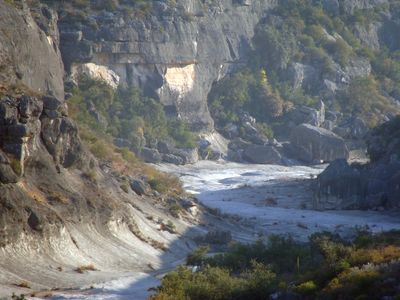
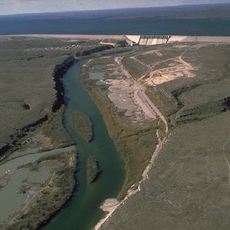
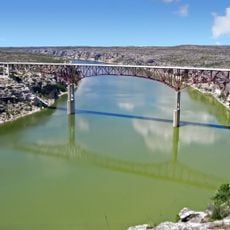
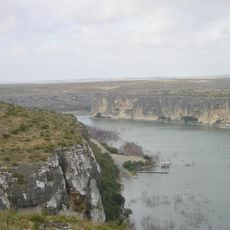
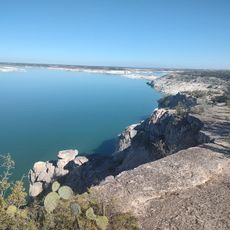
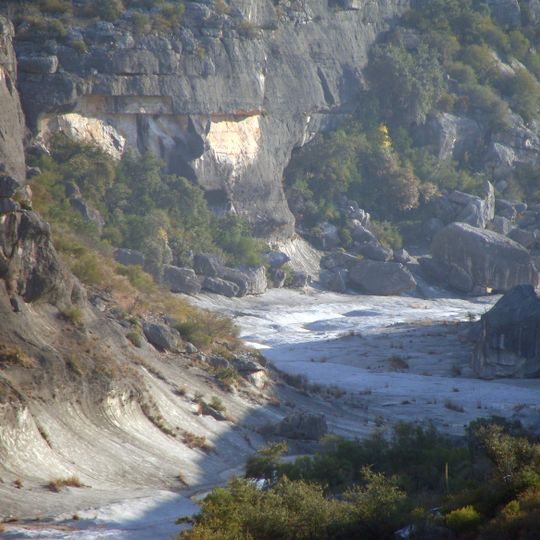
Seminole Canyon State Park is a natural area featuring steep limestone canyons and desert plateaus where numerous prehistoric rock art sites have been preserved along the Rio Grande and Seminole Canyon waterways. The terrain contains multiple types of archaeological sites, including rock shelters, burial caves, and open campsites.
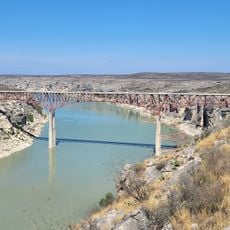
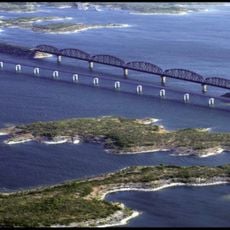
Human habitation in the canyon began about 10,000 years ago, and indigenous peoples left rock paintings of the Pecos River Style some 2,000 to 8,000 years ago. Gaspar Castaño de Sosa is believed to have been the first European here during his 1591 trek up the Rio Grande. In the 19th century the Black Seminole Scouts of the U.S. Army were stationed in the area, giving the region its name, and the Southern Pacific Railroad arrived in 1882.
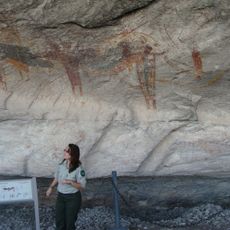
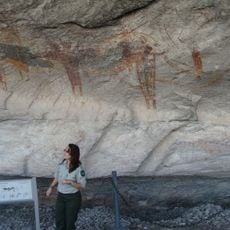
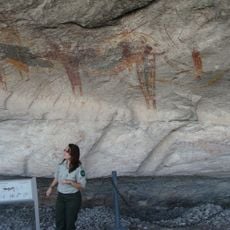
The rock art panels display red, black, and yellow paintings showing human figures, animals, and geometric patterns created by early inhabitants. These artworks remain visible on the canyon walls today, offering insight into how ancient people understood and represented their world.
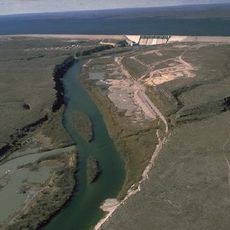
The park lies off U.S. Route 90, 9 miles west of Comstock, reached via Park Road 67, next to Amistad National Recreation Area. The canyons and Fate Bell Shelter are accessible only on guided tours; Panther Cave is seen from a trail at a distance or by boat from the National Park Service dock. Nine miles of trails serve hiking and mountain biking, and campsites range from primitive to water and electric hookups.
The park's rock art belongs to the Pecos River Style, and the painters are thought to have made their pigments from deer blood mixed with fat and coloured earth before applying them to limestone walls. The figures are read as shamanistic, with themes of transformation between human and animal forms.
The community of curious travelers
AroundUs brings together thousands of curated places, local tips, and hidden gems, enriched daily by 93,846 contributors worldwide.