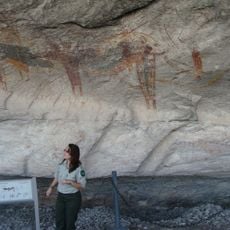
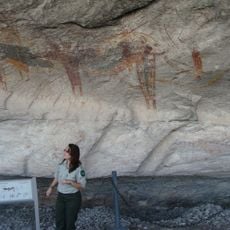
San Felipe Springs, Natural spring system in Val Verde County, Texas, US
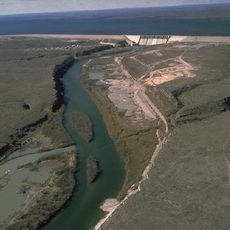
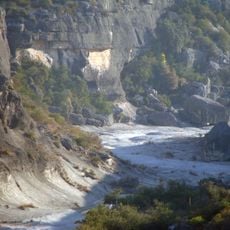
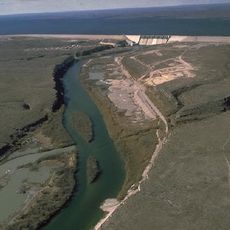
San Felipe Springs consists of ten distinct springs extending roughly 2 miles along San Felipe Creek, forming one of the larger spring systems in southwestern Texas. The springs feed a constant stream of water that shapes the surrounding landscape and serves as a primary water source for the region.
The spring system was first documented by Spanish explorer Gaspar Castaño de Sosa in 1590, leading to the founding of a mission in 1808. These waters became central to settlement and economic development in the Del Rio area for decades afterward.
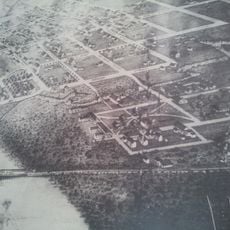
The springs played a central role in local development, supporting the San Felipe Agricultural Company's irrigation networks that transformed 1,500 acres of land by 1871.
The area lies in an arid region, so the springs flow year-round and serve as a major landmark in the area. Visitors should know that water access is primarily dedicated to agricultural and urban supply, so public access may be limited in certain sections.
A small fish species called Gambusia clarkshubbi was discovered in San Felipe Creek in 2004, marking the first new fish species found in the state in three decades. This discovery made the spring system particularly important to scientists and conservation enthusiasts.
The community of curious travelers
AroundUs brings together thousands of curated places, local tips, and hidden gems, enriched daily by 90,896 contributors worldwide.