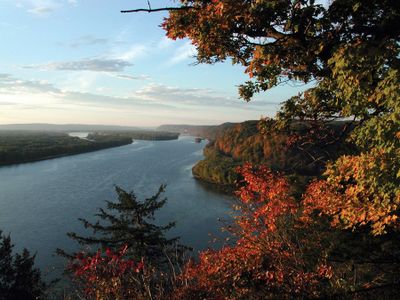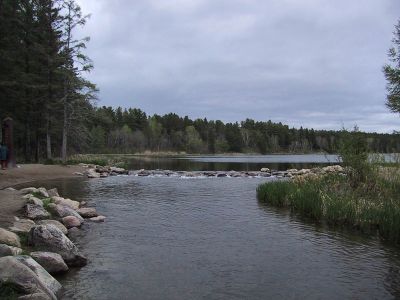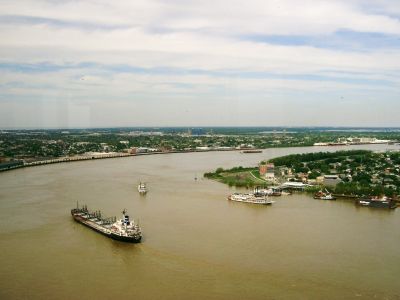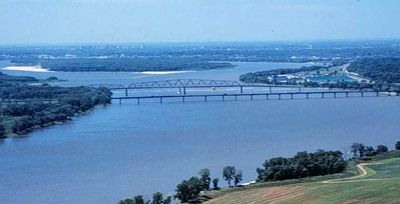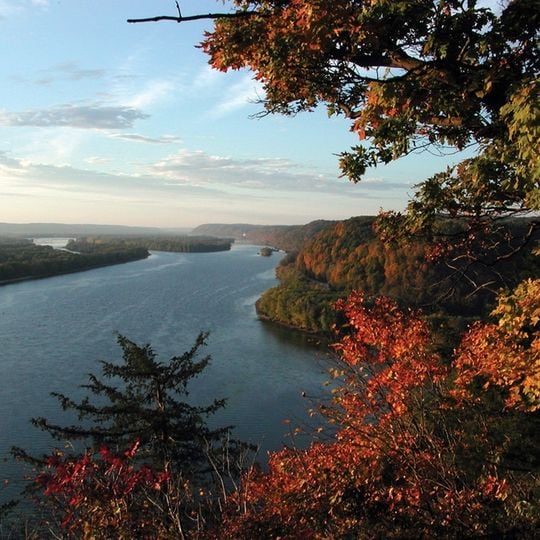
Mississippi River, Major river system in central United States.
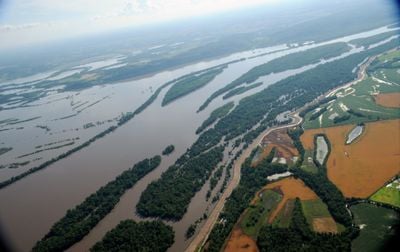
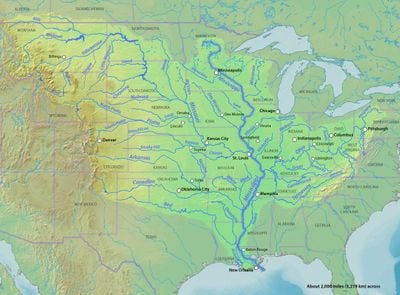
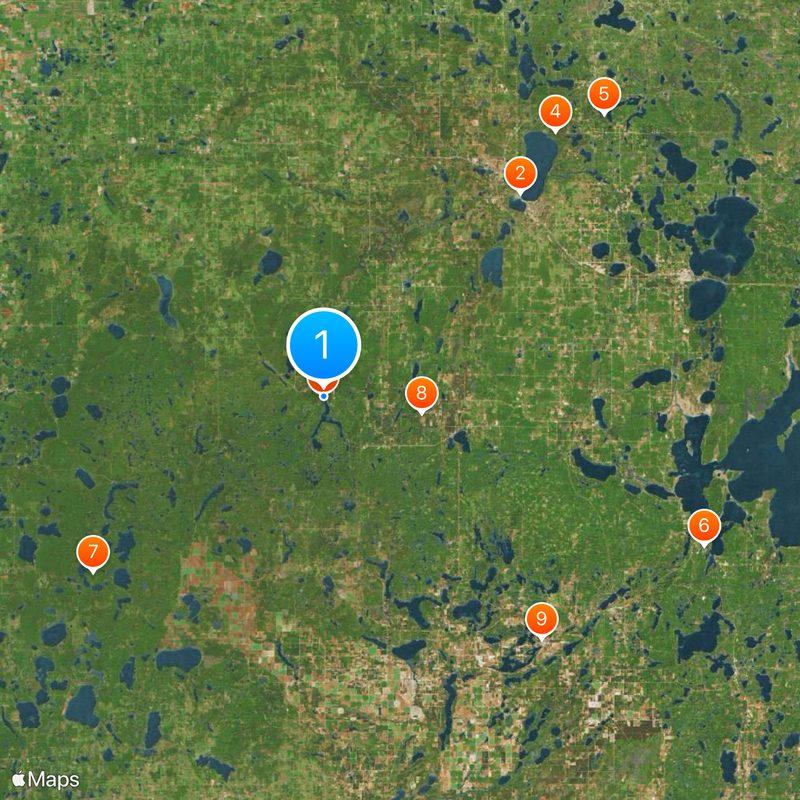
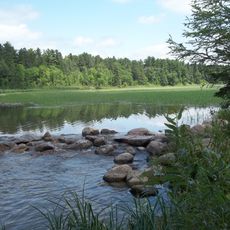
This waterway runs roughly 2,340 miles (3,766 km) from its origin at Lake Itasca in Minnesota south to the Gulf of Mexico, passing through ten states along the way. It forms the central artery of a network that includes the Missouri and Ohio rivers, connecting much of the interior United States.
Indigenous peoples including the Choctaw, Chickasaw, and Sioux settled along the banks since the fourth millennium BCE, using it as a trade route. European settlement began in the 17th and 18th centuries, transforming the waterway into a major route for commerce and migration.
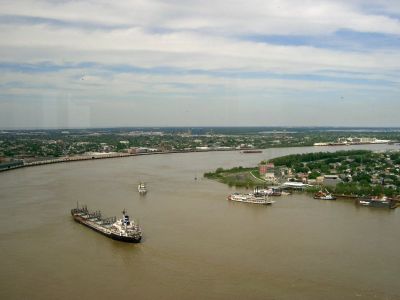
Communities along the waterway still rely on fishing and barge traffic as part of everyday life. Local festivals celebrate river heritage with regional music and food, giving visitors a chance to experience how people connect with the water.
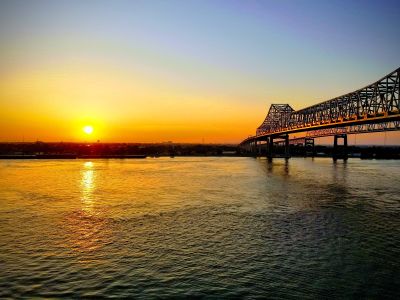
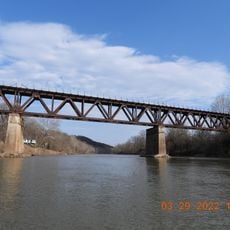
The waterway can be viewed from many points, ranging from urban riverfront areas to remote nature sites, with each region offering different access and observation conditions. Visitors planning boat trips should note that current strength and barge traffic vary considerably by section.
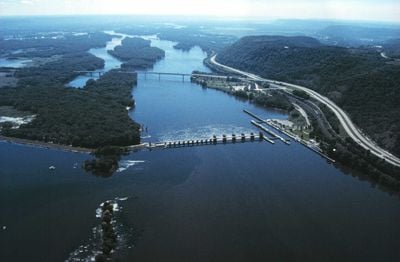
Ralph Samuelson invented water skiing in 1922 on Lake Pepin, a natural lake formed by the widening of the river in Minnesota and Wisconsin. This section remains one of the few naturally formed lake areas within the river course itself.
The community of curious travelers
AroundUs brings together thousands of curated places, local tips, and hidden gems, enriched daily by 60,000 contributors worldwide.