Artibonite River, Major river in Haiti and Dominican Republic.
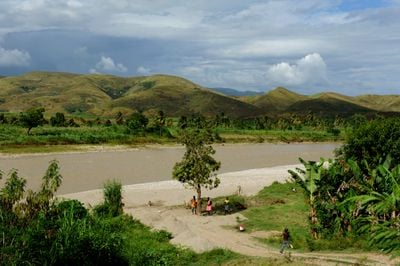
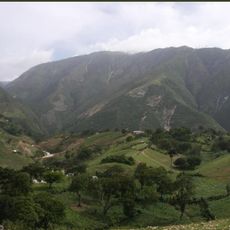
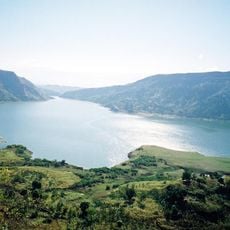
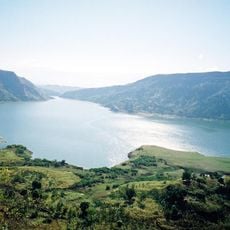
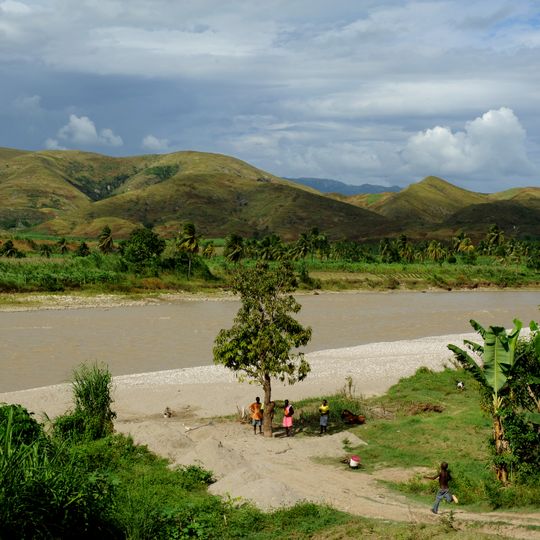
The Artibonite River is a waterway on Hispaniola that stretches over 300 kilometers from the Cordillera Central mountains through valleys and lowlands until it empties into the Gulf of Gonâve. The river passes through farmland and serves multiple purposes for the region's economy.
The river served as a vital trade route and water source for the region throughout its history. The completion of the Péligre Dam in 1956 transformed its role by enabling hydroelectric power generation and controlled irrigation systems.
The river shapes daily life for people living along its banks, supporting farming practices and determining where settlements developed in the valley. Water from the river flows to fields and orchards, playing a central role in how communities organize themselves.
The lower portion of the river is navigable by small boats, especially during rainy seasons when water levels rise. Visitors should be prepared for changing conditions and know that access depends on seasonal water flow and local conditions.
The river forms a natural border between Haiti and the Dominican Republic for several kilometers before joining the Macasía River. This boundary role shapes the geography and lives of people in communities near the frontier.
The community of curious travelers
AroundUs brings together thousands of curated places, local tips, and hidden gems, enriched daily by 91,676 contributors worldwide.