Owens River Gorge, Canyon in Eastern Sierra Nevada, California, United States
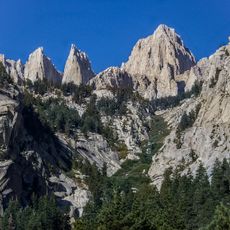
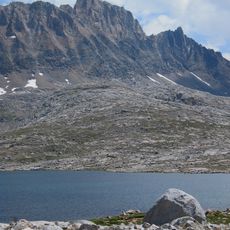
Owens River Gorge is a canyon in the Eastern Sierra Nevada carved through volcanic rock with steep walls and varied geological features. The river flows through narrow passages of red and brown stone formed by ancient volcanic activity.
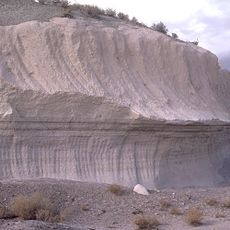
The gorge formed when the Owens River cut through the Bishop Tuff, a welded ash layer from the Long Valley Caldera eruption. In 1941 the Los Angeles Department of Water and Power built Long Valley Dam at the gorge's head for hydropower. From 1953 to 1991 the 16-km Lower Gorge was completely dewatered; since 1991 limited flows have been released to restore riparian habitat and a brown trout fishery.
The gorge is a rock-climbing destination, with routes on the columnar rhyolite and welded Bishop Tuff. Since 1991, released flows have reestablished a brown trout sport fishery below Long Valley Dam, so anglers and climbers share the same canyon reach.
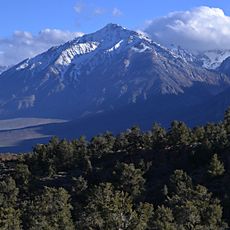
The gorge is reached from the eastern edge of the Sierra Nevada in southern Mono County, where the upper Owens River leaves Long Valley. The 10 mi (16 km) canyon holds bolted climbing routes on the exposed Bishop Tuff walls. The Lower Gorge carries released flows from Long Valley Dam, so expect water in the channel and plan around the terrain.
Between 1953 and 1991, one section of the gorge ran completely dry due to a water diversion project. When water flow was later restored, fish populations returned and revived the river ecosystem.
The community of curious travelers
AroundUs brings together thousands of curated places, local tips, and hidden gems, enriched daily by 93,180 contributors worldwide.