Chongsheng Temple, National Key Buddhist Temple in Minhou County, China
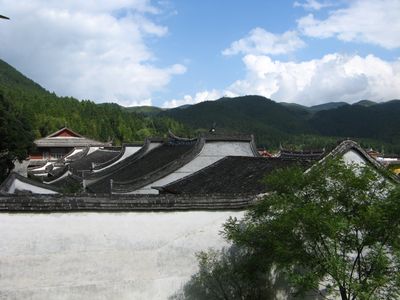
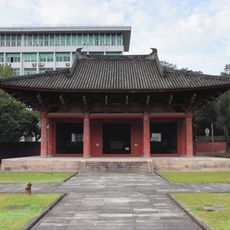
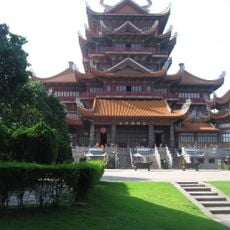
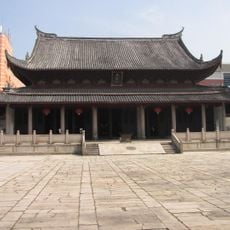
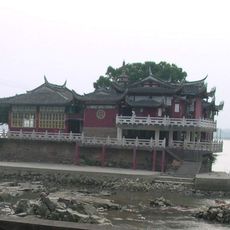
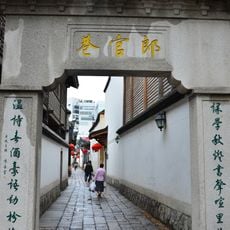
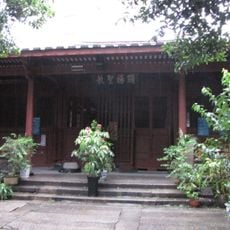
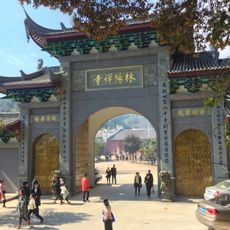
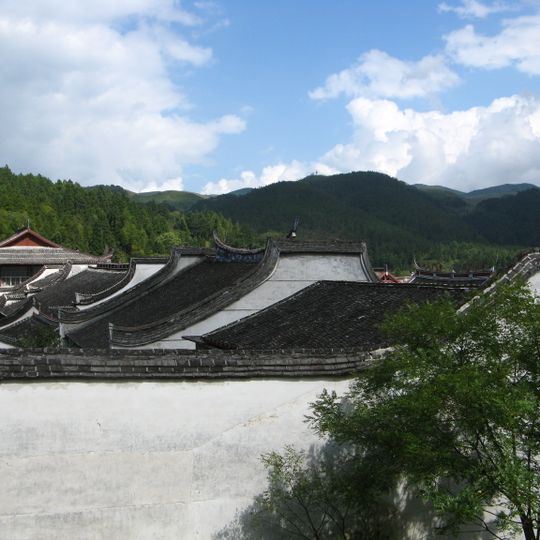
Chongsheng Temple is a Buddhist temple complex in Minhou County featuring traditional Chinese architectural elements arranged across multiple halls, including the Mahavira Hall and the Hall of Guanyin. The buildings are positioned at the foot of Mount Xuefeng and display the characteristic design of Chan Buddhist temples.
The temple was originally built in 870 as Yingtian Xuefeng Chan Temple during the early development of Chan Buddhism in the region. Emperor Taizong renamed it Xuefeng Chongsheng Chan Temple in 978, marking a significant change in its official status and recognition.
The temple functions as a significant center for Chan Buddhism, offering spaces for meditation, religious ceremonies, and gatherings that reflect the spiritual practices of local communities. Visitors can observe how the space serves both monastic life and the devotional needs of those who come to worship.
The temple is best reached by walking up from the lower areas of Mount Xuefeng, as the complex is positioned on sloped terrain. Comfortable walking shoes are recommended, and visitors should allow time for the uphill approach to the site.
Two Tamarix chinensis trees over 1000 years old grow within the complex and were planted by the founding master Yicun. These trees serve as living records of the temple's long continuous use and the many generations of monks and visitors who have walked these grounds.
The community of curious travelers
AroundUs brings together thousands of curated places, local tips, and hidden gems, enriched daily by 90,803 contributors worldwide.