Hualin temple of Fuzhou, building in People's Republic of China
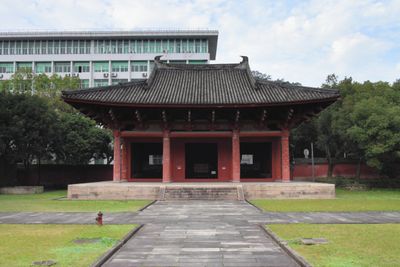
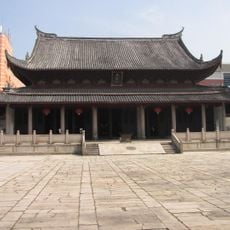
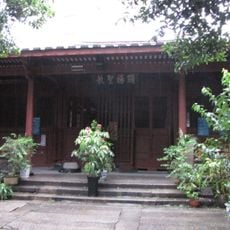
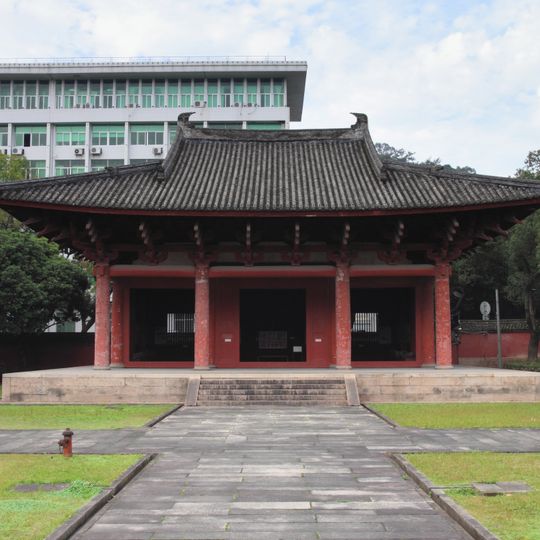
Hualin Temple is a Buddhist temple complex in northern Fuzhou, China, whose main hall dates to the Song dynasty and rests on four large wooden pillars. The hall features curved roofs and carved wooden bracket sets known as dougong, which sit between the pillars and the roof beams.
The temple was founded in 964 on the orders of a local governor, though it carried a different name at the time. It was during the Ming dynasty that it received its current name, given through an imperial inscription on a plaque.
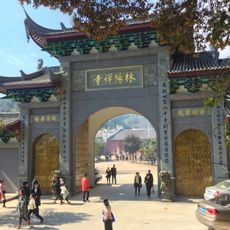
The name Hualin comes from an imperial inscription that can still be seen above the entrance today. On ordinary days and during festivals, visitors come to light incense and pray before the altars inside the main hall.
The temple is in northern Fuzhou, close to Pingshan Mountain, and easy to reach on foot from other nearby sites. Going early in the day tends to give a calmer experience, as the main hall can draw more visitors later on.
The main hall is considered one of the oldest surviving timber buildings south of the Yangtze River. The dougong brackets carry cloud-shaped carvings that are found in very few other Song dynasty structures still standing today.
The community of curious travelers
AroundUs brings together thousands of curated places, local tips, and hidden gems, enriched daily by 60,000 contributors worldwide.