Rocky Mountain National Park, National park in the Front Range, Colorado, United States
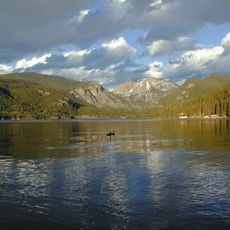
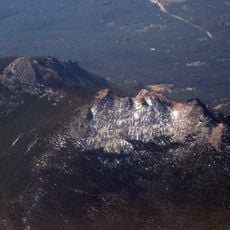
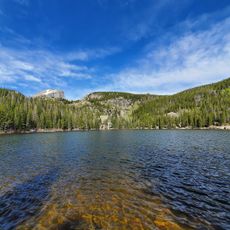
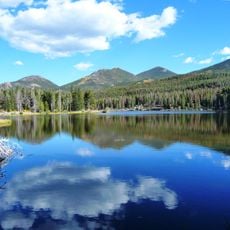
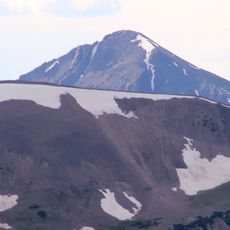
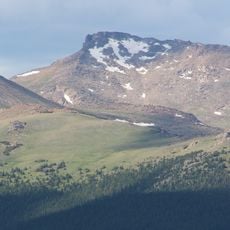
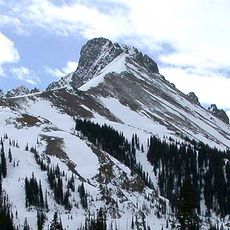
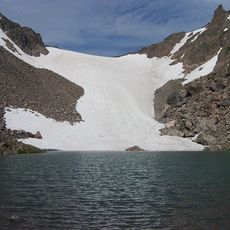
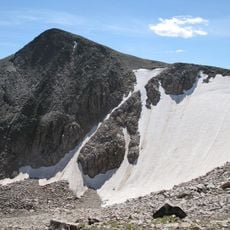
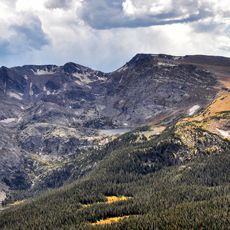
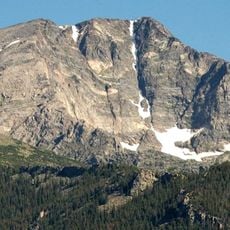
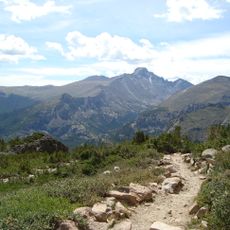
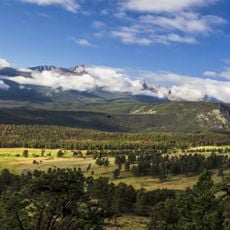
Rocky Mountain National Park is a protected wilderness in Colorado that covers more than 1,000 square kilometers and includes mountain ranges, meadows, pine forests, and alpine tundra. The landscape contains dozens of summits above 4,000 meters, deep valleys with clear streams, and mountain lakes set among rock formations.
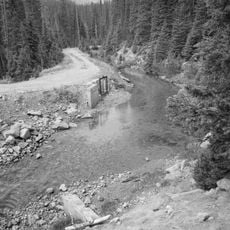
Paleo-Indians travelled a route near today's Trail Ridge Road to hunt and forage, and Ute and Arapaho people later hunted and camped in the area. Prospectors founded Lulu City, Dutchtown and Gaskill in the Never Summer Mountains in the 1870s, but the boom ended by 1883. Enos Mills, James Grafton Rogers and J. Horace McFarland campaigned for protection, and President Woodrow Wilson signed the park act on 26 January 1915.
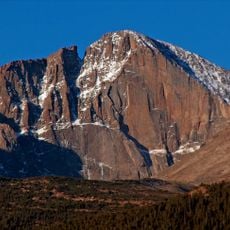
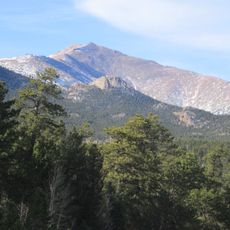
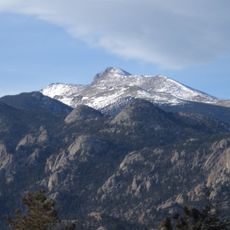
The name of Longs Peak honors Stephen H. Long, who led the 1820 expedition toward the Rockies via the Platte River. Ute and Arapaho people hunted and camped in the area before settlers displaced the Native Americans by 1878. The German source notes that the Ute left at least 1,100 sacred sites in what became the park.
Visitors should arrive early in the day to find parking, especially during summer months, and bring warm clothing because temperatures at higher elevations can remain cool even in July. Trails cross many elevation zones, so it is wise to walk slowly and carry enough water to avoid altitude sickness.
The Never Summer Mountains hold a bend where the Continental Divide runs south to north, then curves sharply south and west out of the park. Streams on the eastern slopes join the Colorado River headwaters and reach the Pacific, while western streams drain north and east to the Gulf of Mexico.
The community of curious travelers
AroundUs brings together thousands of curated places, local tips, and hidden gems, enriched daily by 92,356 contributors worldwide.