Northern Cheyenne Indian Reservation, Indigenous reservation in southeastern Montana, United States.
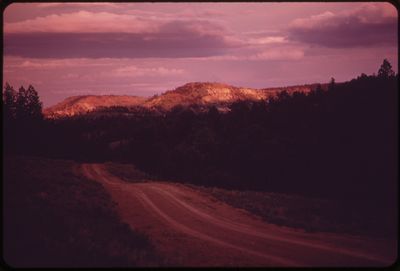
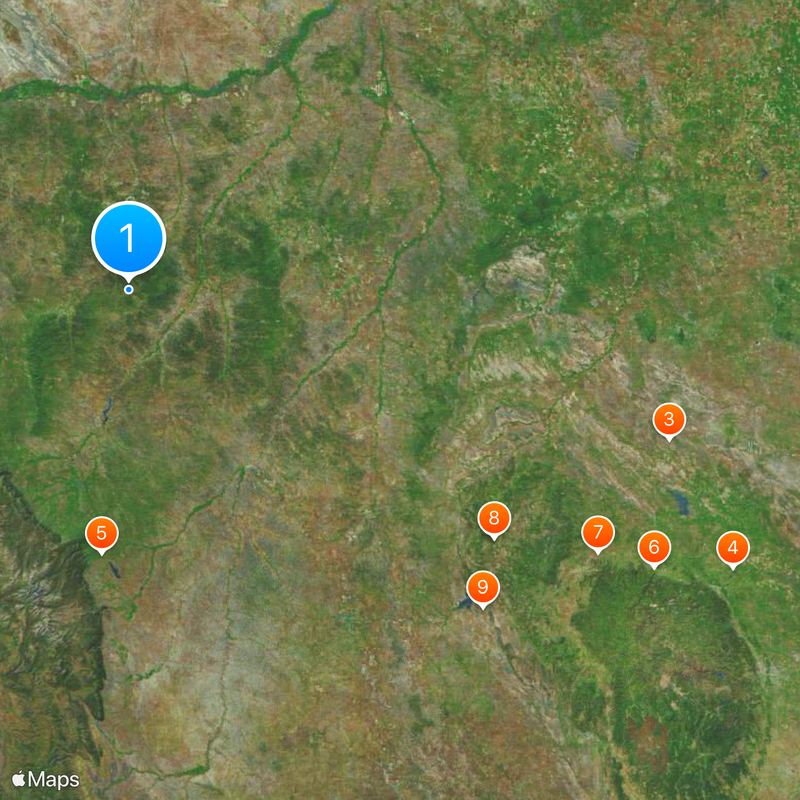
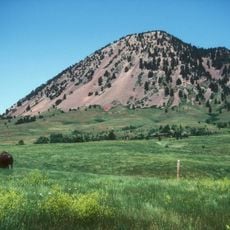
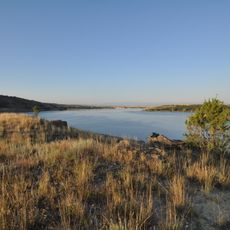
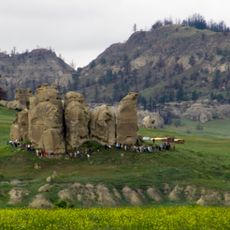
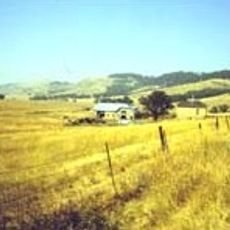
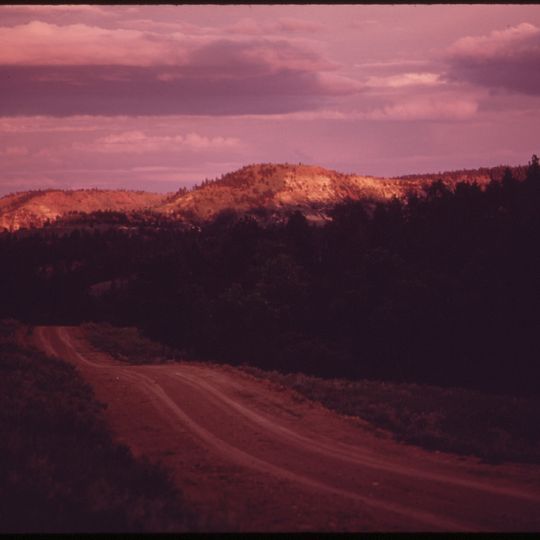
The Northern Cheyenne Indian Reservation is tribal land in southeastern Montana spanning a large area of grassland and river valleys. The territory sits between Tongue River and the Crow Reservation and is governed by the Northern Cheyenne Nation.
The reservation received federal recognition in 1884 through an executive order from President Chester Arthur and was originally called Tongue River Indian Reservation. The tribal land grew over the decades to support the Northern Cheyenne population's needs.
The Northern Cheyenne call themselves Tsis tsis'tas and gather for powwows during Memorial Day and Independence Day celebrations. These events bring people together through dancing, music, and shared family time that reflects their way of life.
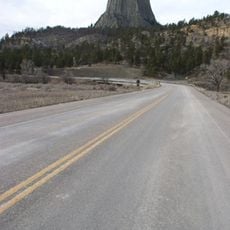
The best way to explore the reservation is by car, as roads connect different parts of the tribal land and important locations. Weather changes significantly with the seasons, so dress appropriately and check local conditions before visiting.
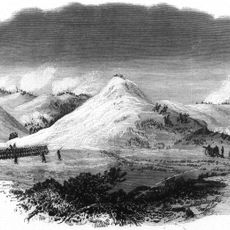
The reservation sits approximately 40 miles east of the Little Bighorn battlefield, where Northern Cheyenne warriors fought alongside Lakota forces in 1876. This historical place remains important to tribal identity and draws visitors interested in learning about these events.
The community of curious travelers
AroundUs brings together thousands of curated places, local tips, and hidden gems, enriched daily by 91,040 contributors worldwide.