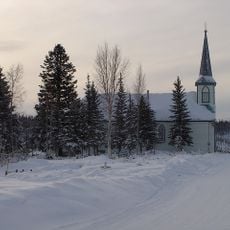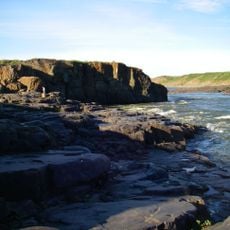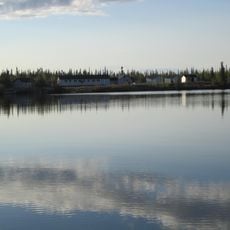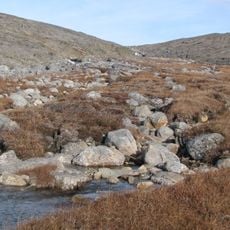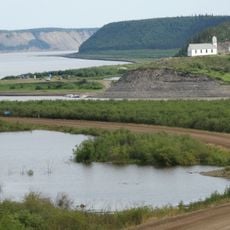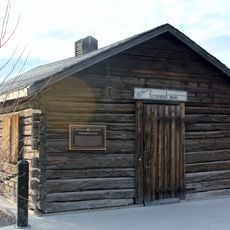
Great Bear Lake, Freshwater lake in Northwest Territories, Canada.
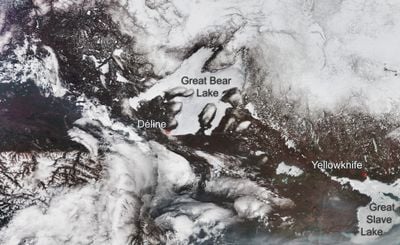
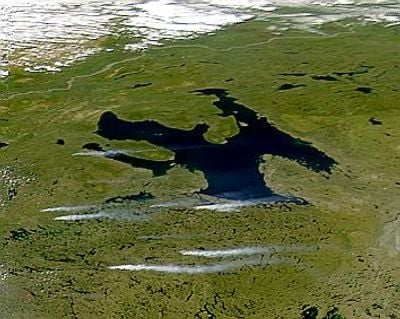
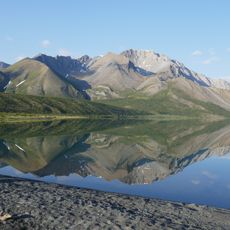
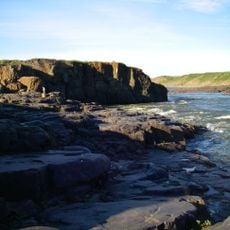
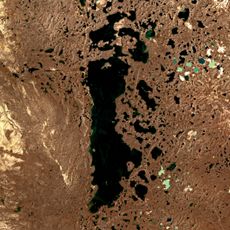
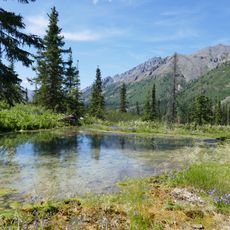
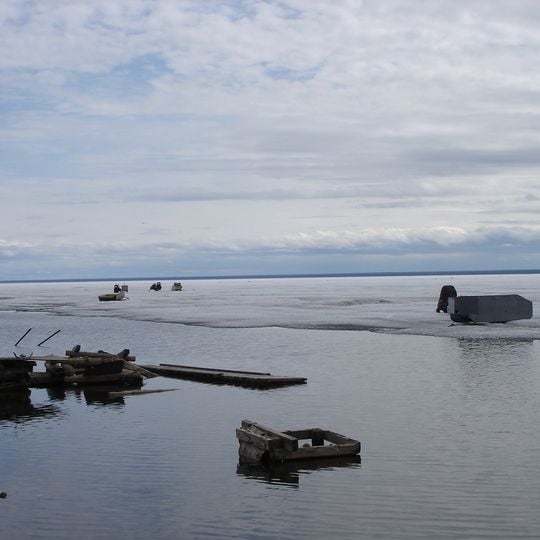
Great Bear Lake is a freshwater body in the Northwest Territories near the Arctic Circle. Its surface extends across a width of about 175 kilometers and a length of around 320 kilometers.
Indigenous communities relied on this body of water for survival long before European fur traders arrived in the 18th century. Later, uranium mining along the eastern shore in the 1930s brought new settlements to the region.
The lake's name comes from the Chipewyan word satudene, meaning "grizzly bear-water people"; the Sahtu Dene take their name from it. The Dene Elder ɂehtsǝ́o Erǝ́ya is credited with over 30 prophecies, including one that the last life will gather on the lake's banks. The Délı̨nę treat the lake as central to their identity, laws and culture.
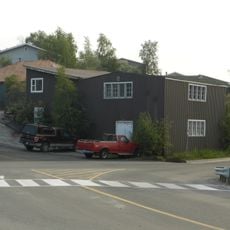
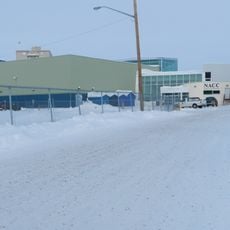
Délı̨nę sits on the Keith Arm, near the outflow of the Great Bear River, not on the lake's western shore. An ice crossing links the community to the winter road on the far side of the Great Bear River; in March 2016 a fuel tanker broke partway through that ice road about 3 km from the community. Three lodges around the lake serve fishing and hunting visitors.
More than two dozen islands lie scattered across the water and form nesting grounds for waterfowl and retreats for bears. Some of these islands still carry traces of old campsites and hunting stations from earlier centuries.
The community of curious travelers
AroundUs brings together thousands of curated places, local tips, and hidden gems, enriched daily by 92,646 contributors worldwide.