Terai-Duar savanna and grasslands, WWF ecoregion at the base of Himalayas, India and Nepal
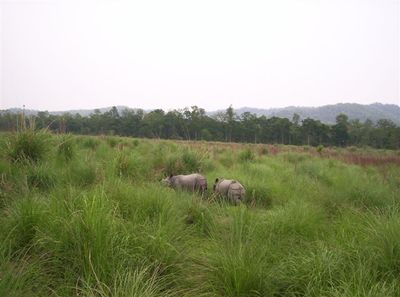
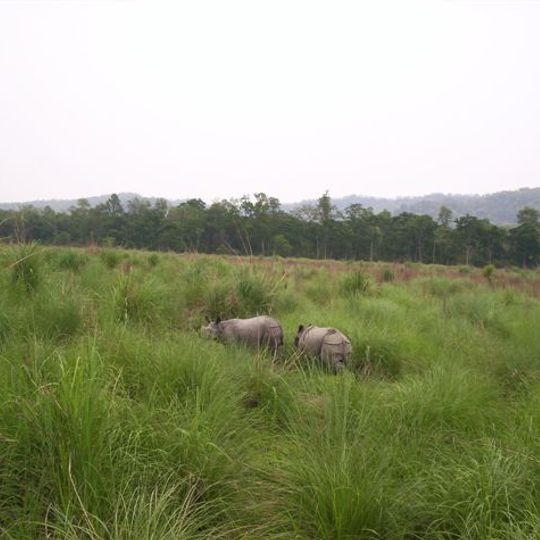
The Terai-Duar region is a lowland strip along the Himalayan foothills that spans across India, Nepal, and Bhutan. Tall grasses and savanna vegetation cover this fertile land, shaped by river deposits over thousands of years.
This region was shaped by the Himalayan uplift, which carried sediment into the lowlands over millions of years. Seasonal flooding has maintained this landscape by constantly recycling nutrients and preventing vegetation overgrowth.
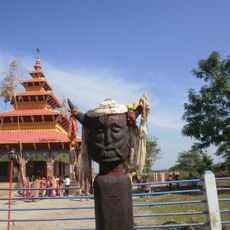
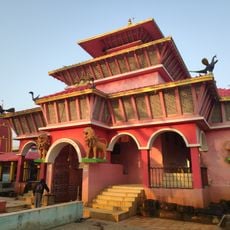
Local people have adapted their farming and herding practices to live alongside the seasonal floods and rich soils of this region. These traditions remain visible in how communities work the land and coexist with wildlife.
To explore this region, visit the national parks like Chitwan or Bardia, where marked paths and observation spots are set up for visitors. The best time to go is after the monsoon season when roads are dry and wildlife viewing is more reliable.
Some of the world's tallest grass species grow here, towering over 20 feet (7 meters) high. These giant grasses provide shelter for tigers and rhinoceroses, creating a landscape unlike anywhere else.
The community of curious travelers
AroundUs brings together thousands of curated places, local tips, and hidden gems, enriched daily by 92,158 contributors worldwide.