Juara, human settlement in Brazil
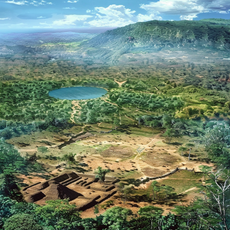
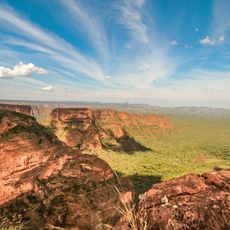
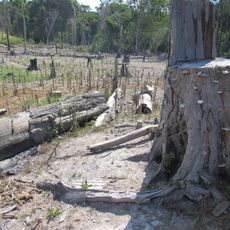
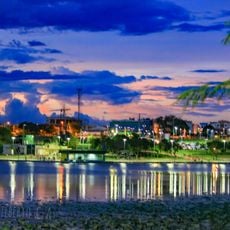
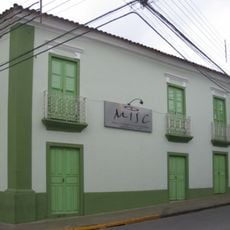
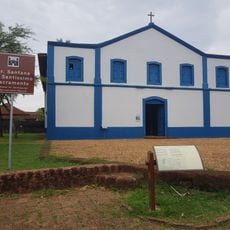
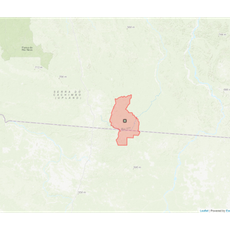
Juara is a small municipality in Mato Grosso, Brazil, spread across an open, flat landscape with gentle hills at about 273 meters above sea level. The town extends over a large area with scattered buildings, fields, and patches of forest, where daily life centers on the main roads, local markets, and small shops.
Juara was founded in the early 1970s when a company purchased land and sold smaller plots to settlers, mainly from southern and northeastern Brazil. The town later became important for coffee production and then cattle raising, and was officially established as a municipality in the 1980s.
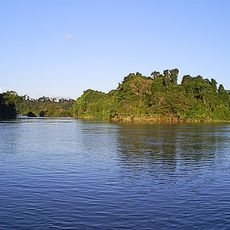
The name Juara possibly comes from the local language meaning "pretty girl", or was formed by combining the names of nearby rivers, Juruena and Arinos. The town preserves a strong tradition of mutual support that shaped its founding, with people gathering regularly at markets and in streets to share news and their connection to the land.
Juara is accessible by car, bus, or a small airport called Inácio Luís do Nascimento, with larger airports nearby in Juína and Juruena. The town offers basic accommodations in modest hotels and inns where travelers can rest before exploring the surrounding rural areas and local farms.
The region was originally home to the Kayabi, a local indigenous people who lived here before settler arrival, reflecting the land's deep historical connection to its earliest inhabitants. Early infrastructure challenges, including the absence of doctors and difficult river transport, show how the town developed from raw conditions and gradually built its own resources.
The community of curious travelers
AroundUs brings together thousands of curated places, local tips, and hidden gems, enriched daily by 92,611 contributors worldwide.