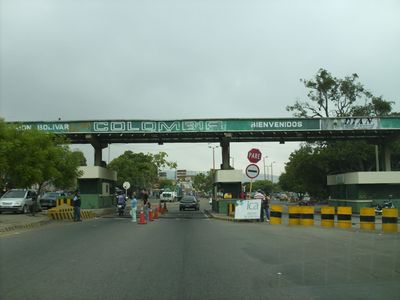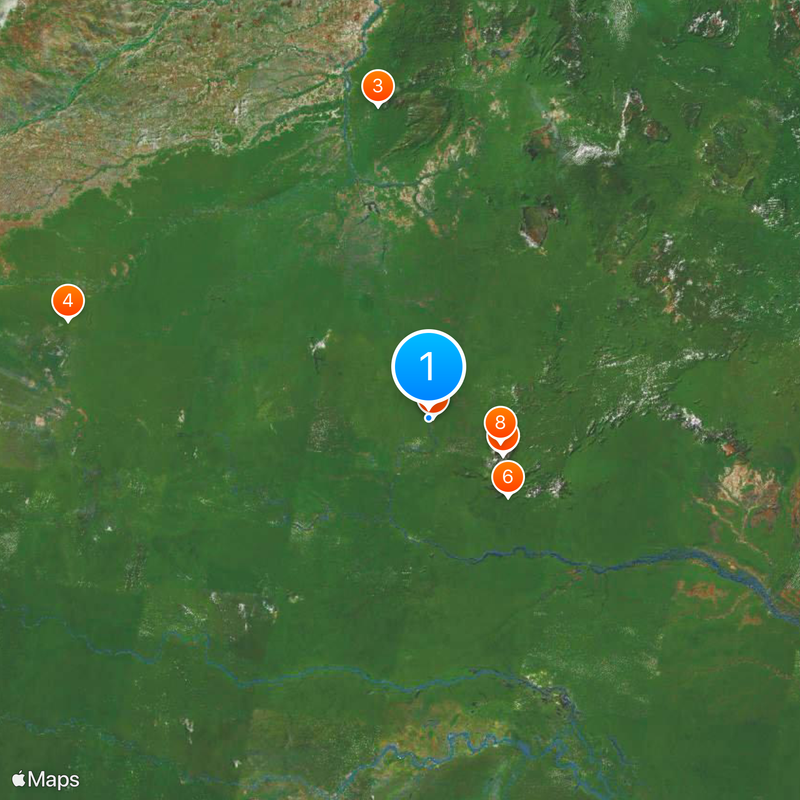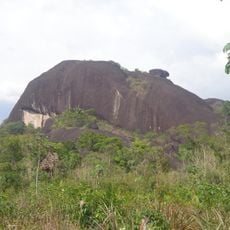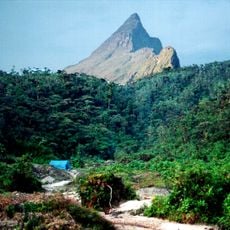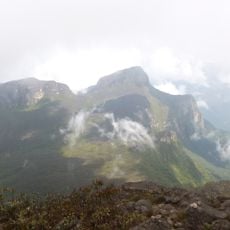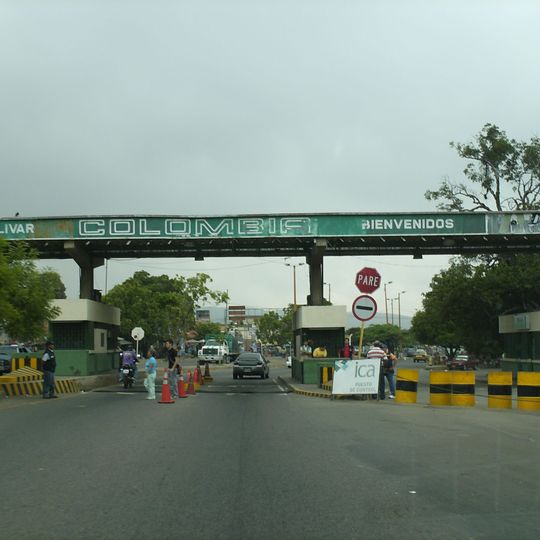
Colombia-Venezuela border, International border line between Colombia and Venezuela, South America
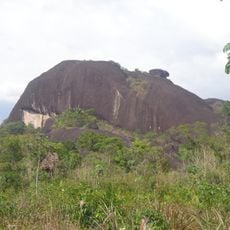
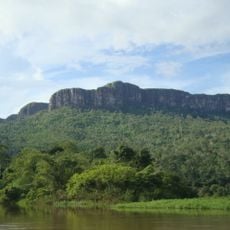
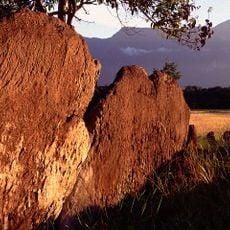
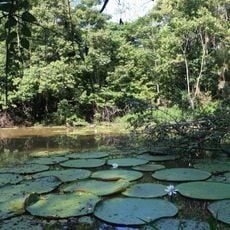
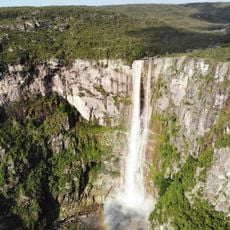
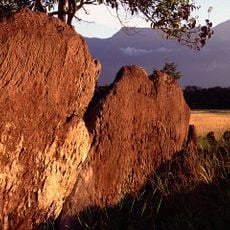
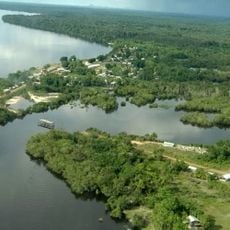
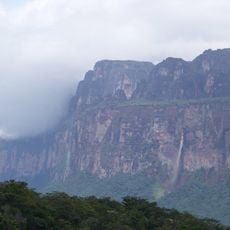
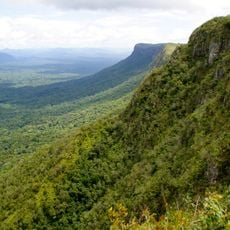
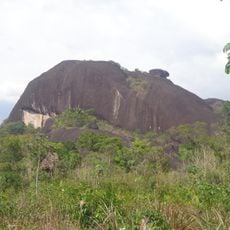
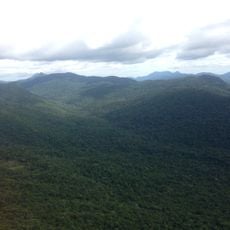
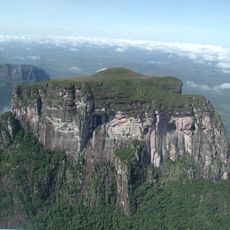
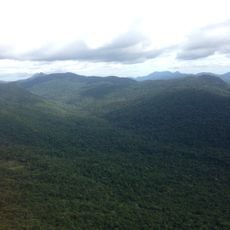
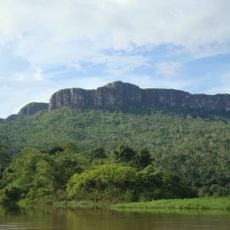
This international line runs for 2,219 kilometers (1,378 miles) through rivers, mountains and tropical rainforest in northern South America. It connects two countries that share landscapes ranging from Caribbean coastal strips to vast plains known as the Llanos.
The line was established in 1891 through a Spanish arbitration award as both nations worked to clarify their colonial inheritances. Its final shape was confirmed in 1941 through a treaty on limits and river navigation signed by both governments.
Several indigenous groups, including the Wayuu and the Barí, live across this territory and have maintained their languages and customs for centuries. Many families reside on both sides and regularly cross to visit relatives or trade at local markets.
Travelers should carry valid identification and use only official crossings in towns such as Cúcuta or San Cristóbal. Movement across the line can vary greatly depending on political conditions and time of day, so flexibility helps when planning.
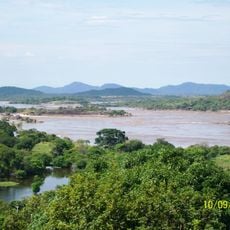
Along the route, 603 physical markers trace the line while four major rivers form natural sections. The Río de Oro, Catatumbo, Táchira and Orinoco serve as geographic dividers in places between the two countries.
The community of curious travelers
AroundUs brings together thousands of curated places, local tips, and hidden gems, enriched daily by 90,864 contributors worldwide.