Qarğalar tepesi, Elevated landmark in Aghstafa District, Azerbaijan
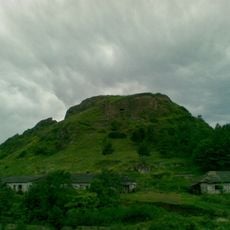
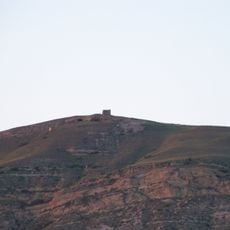
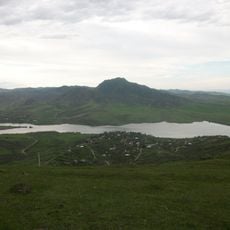
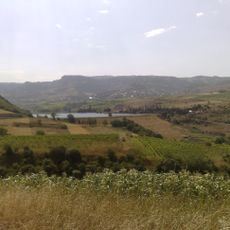
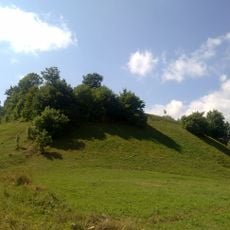
Qarğalar tepesi is a 10-metre-high settlement mound in Aghstafa District, near the village of Qırılı, about 4 km east of Aghstafa railway station. Excavations uncovered remains of round dwellings and outbuildings built of mud brick, with clay-plastered floors, some painted red and one building whitened with lime. The site belongs to the Shomutepe culture.
Qarğalar tepesi is an archaeological settlement of the Neolithic period in Aghstafa District, on the territory of the village of Qırılı, 4 km east of the Aghstafa railway station. Excavations revealed the remains of circular dwellings and household buildings of mud brick, with floors plastered in clay and sometimes painted red; one building was whitened with lime. Archaeologist İdeal Nərimanov conducted the digs there in 1967–1968. The site belongs to the Shomutepe culture.
The site is a settlement mound, not a natural hill, and gave its name to the Qarğalartəpəsi culture of the Shomutəpə tradition. The clay female figurine found here in 1967–1968 is the oldest sculpture known from Azerbaijan; scholars interpret it as a woman with loose hair praying for rain.
The hill can be reached through roads that connect to the main transportation network of Aghstafa District. Visitors should come prepared for seasonal weather changes and varying ground conditions depending on the time of year.
The site is a 10-metre-high hill near the village of Qırılı, 4 km east of the Aghstafa railway station. Excavations there uncovered the oldest metal object in the Caucasus: a copper bead. The settlement belongs to the Shomutepe culture of the Neolithic period.
The community of curious travelers
AroundUs brings together thousands of curated places, local tips, and hidden gems, enriched daily by 93,364 contributors worldwide.