Dodo church, 6th-century cave church in Kakheti, Georgia
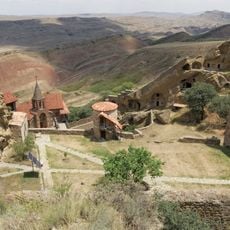
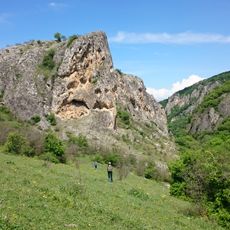
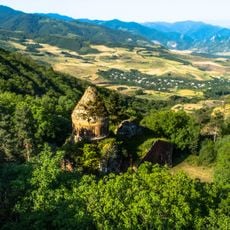
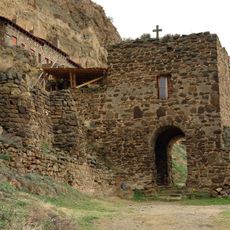
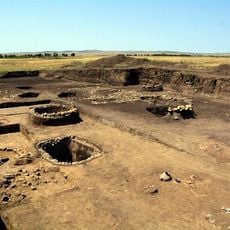
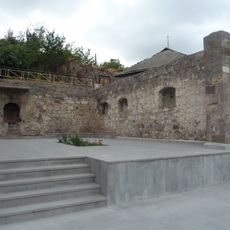
Dodo church, also called Dodo Horn, is a cave complex in the David Gareja monastic complex of Kakheti, built in stages from the 6th to the 18th century. Its main hall church and refectory date from the 11th to 13th centuries. The small Church of St Dodo is cut into the rock, with a surviving altar apse conch, a neckless dome, the north wall and part of the west narthex wall.
Dodo, a disciple of David of Gareji, founded the monastery in the first half of the 6th century. In 1424 King Alexander I donated it, together with David Gareja, to the Svetitskhoveli cathedral of Mtskheta. Between the 12th and 15th centuries it was a royal monastery; raids from the 13th to the 18th century left it repeatedly sacked and abandoned.
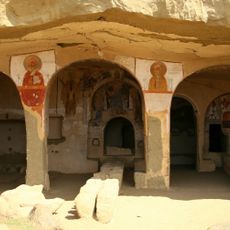
The central altar displays medieval frescoes showing Jesus holding a Georgian text, alongside paintings of the archangels Michael and Gabriel. These images reflect the religious beliefs and artistic traditions that shaped the community.
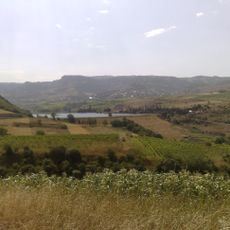
The church sits within a larger monastic complex at 768 meters elevation and requires climbing steep paths to reach the chambers. Wear sturdy shoes and prepare for variable lighting in the rock spaces.
The small Church of St Dodo, cut into the rock, keeps only its altar apse conch, a neckless dome, the north wall and part of the west narthex wall. In the conch is one of Georgia's earliest surviving frescoes, 8th–9th century: Christ enthroned, blessing with his right hand and holding an open book with traces of a Georgian inscription. Two medallions flank him, a woman with a moon above her head and a young man in a Phrygian cap holding a torch, probably Moon and Sun.
The community of curious travelers
AroundUs brings together thousands of curated places, local tips, and hidden gems, enriched daily by 94,420 contributors worldwide.