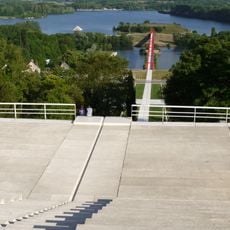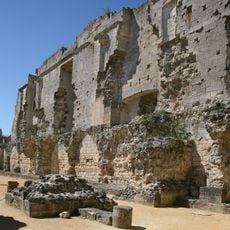
Oise, River between Chimay, Belgium and Conflans-Sainte-Honorine, France
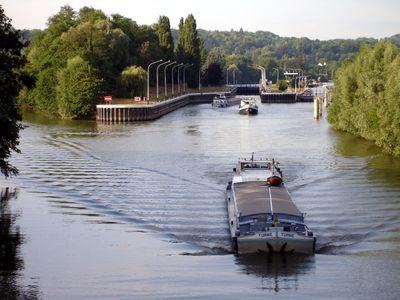
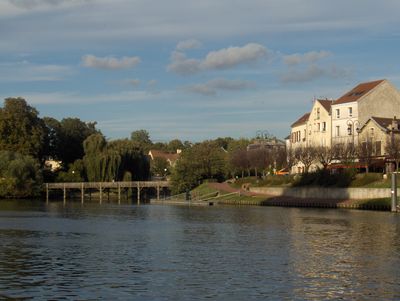
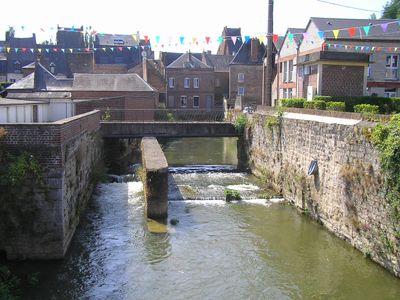
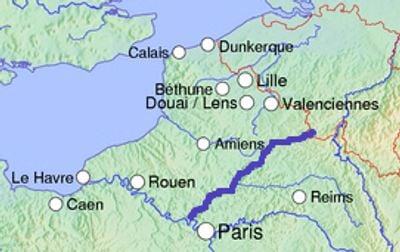
The Oise is a river that flows 341 kilometers from its source in Belgium's Hainaut province through northern France before emptying into the Seine near Paris. Its course passes through multiple French departments, connecting rural and urban areas along its path.
The river formed through natural geological processes and became important for transport and trade over centuries. During World War I, the valley served as a military corridor where bridges were destroyed to impede German forces advancing toward Paris.
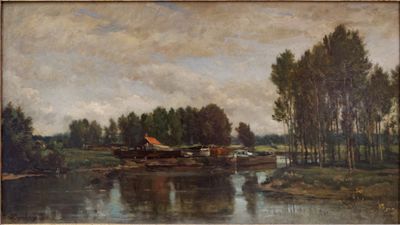
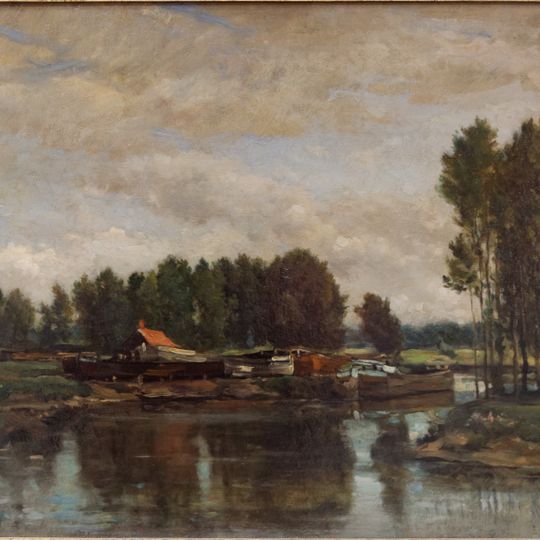
The river has long inspired painters and artists who found in its landscapes endless subjects for their work. These artistic traditions continue to shape how locals and visitors perceive the region today.
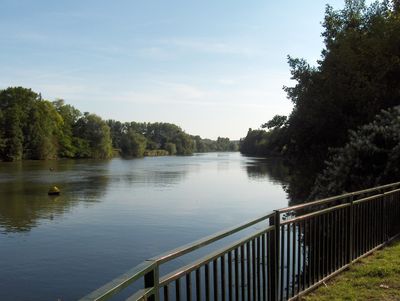
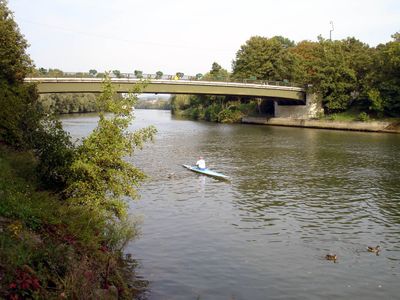
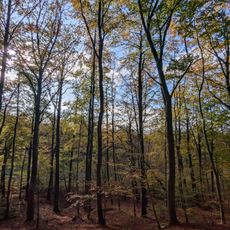
Marked paths run along the riverbanks in many sections, making it easy to walk and explore the surrounding landscape. Fishing and water activities are available in designated areas, though conditions vary depending on the season and local regulations.
Several permanent islands sit within the river channel, creating natural habitats for local wildlife and plant species. These islands are particularly important nesting and feeding grounds for birds that pass through or live in the region.
The community of curious travelers
AroundUs brings together thousands of curated places, local tips, and hidden gems, enriched daily by 92,609 contributors worldwide.