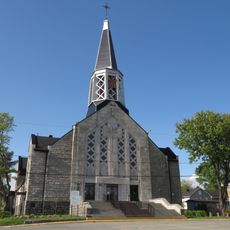
Abitibi-Témiscamingue, Administrative region in western Quebec, Canada.
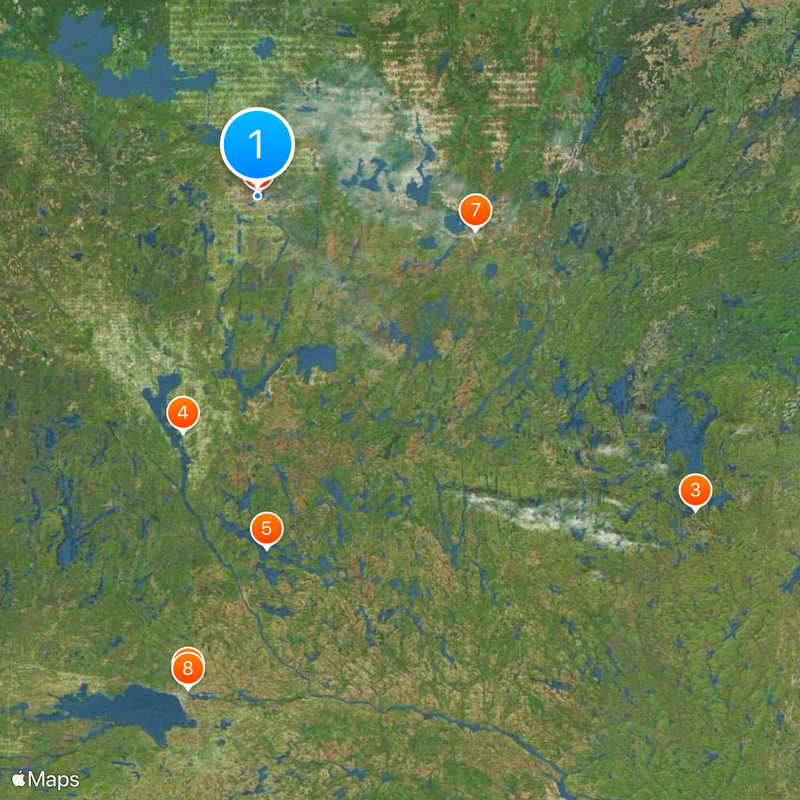
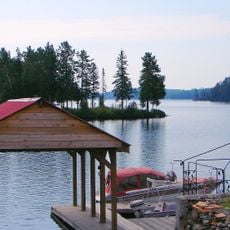
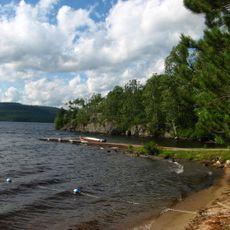
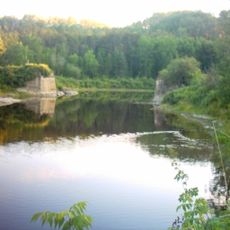
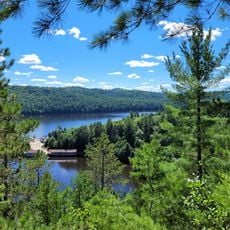
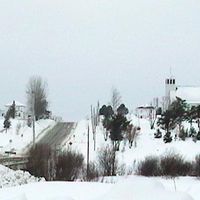
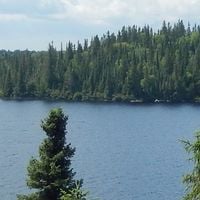
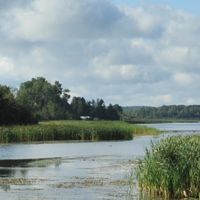
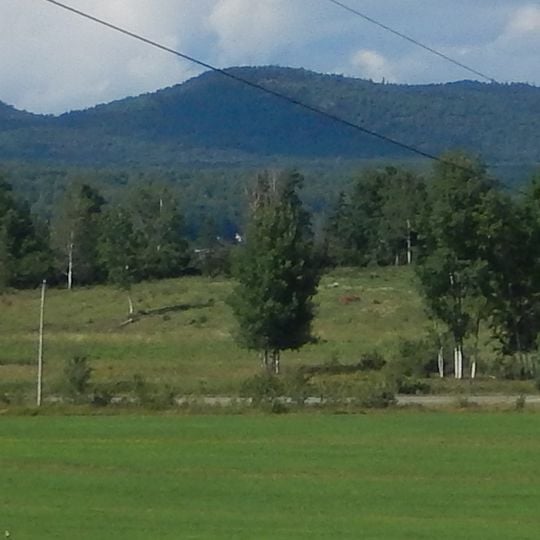
Abitibi-Témiscamingue is an administrative region in western Quebec spanning a forested landscape with numerous lakes. It includes five regional municipalities such as Rouyn-Noranda, La Vallée-de-l'Or, and Témiscamingue.
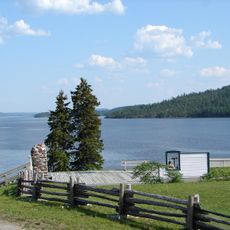
The region emerged from its importance as a trading zone, with Fort Témiscamingue established in 1720 as a central hub for fur commerce between European settlers and indigenous communities. This early trade connection shaped the region's development over generations.
The territory maintains strong ties to Algonquin traditional lands, and visitors can experience this connection through local art centers and music festivals that support contemporary creativity.
The region has several regional airports and a well-developed highway network connecting major centers. The best time to explore is from May through September when road access is most convenient.
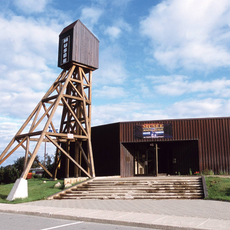
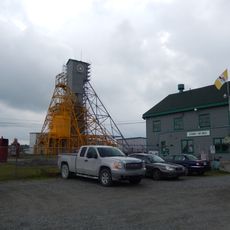
The Cadillac Fault is a geological formation containing rich mineral deposits that support numerous underground mines throughout the area. This mining activity significantly contributes to Quebec's gold production and shapes the local economy.
The community of curious travelers
AroundUs brings together thousands of curated places, local tips, and hidden gems, enriched daily by 92,238 contributors worldwide.