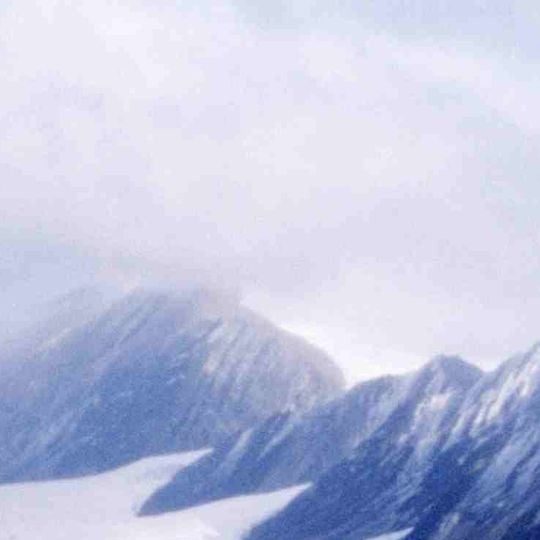
Quttinirpaaq National Park, National park in Qikiqtaaluk Region, Canada.
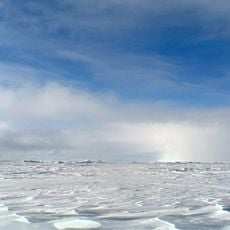
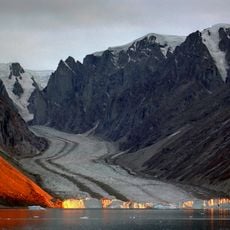
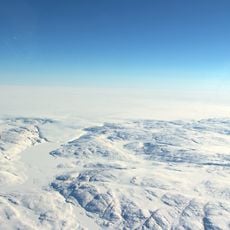
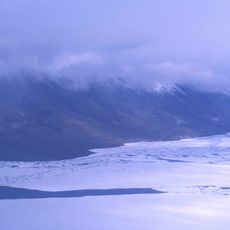
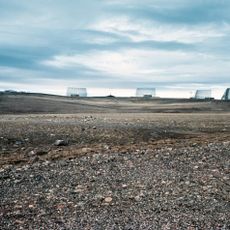
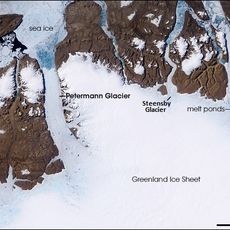
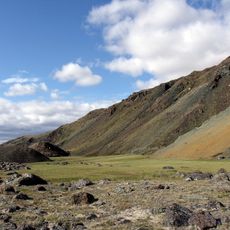
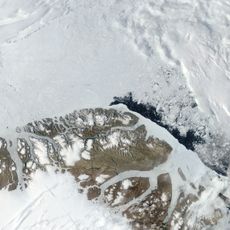
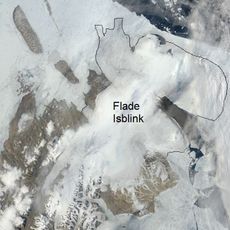
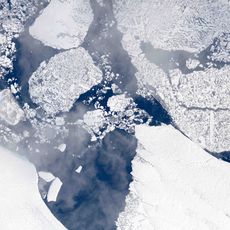
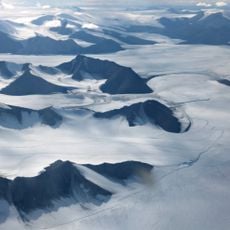
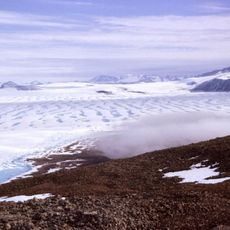
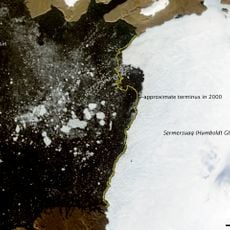
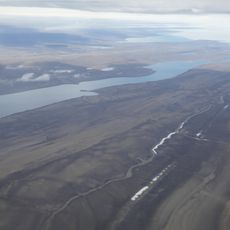
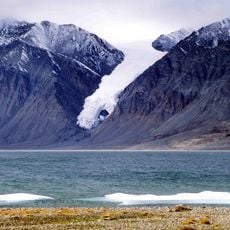
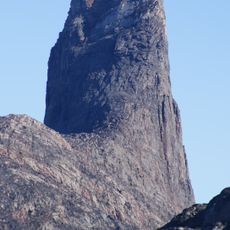
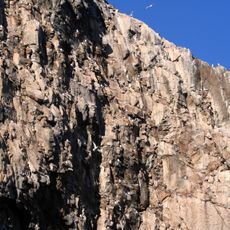
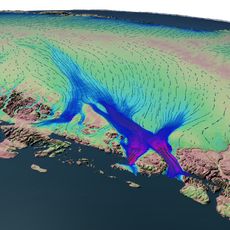
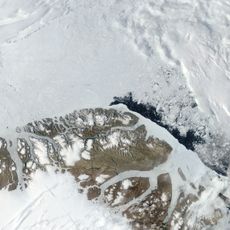
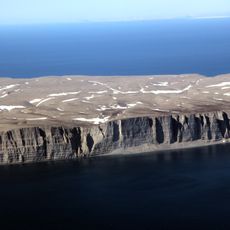
Quttinirpaaq is a national park on Ellesmere Island in northern Canada, covering a vast area with glaciers, ice caps, and rocky terrain. The landscape features extreme conditions, mountains, and valleys that characterize this remote region of the far north.
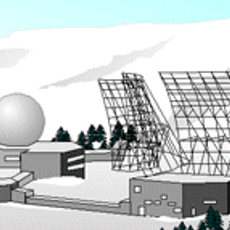
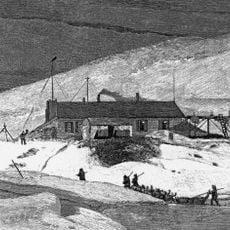
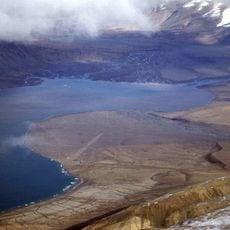
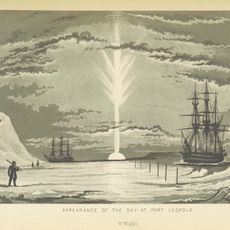
The Tanquary Fiord–Lake Hazen pass shows use by Arctic peoples for about 5,000 years; tent rings and food caches mark visits by pre-Dorset, Dorset and Thule people, ancestors of today's Inuit. In 1882 Lieutenant Adolphus W. Greely's Fort Conger expedition sighted Lake Hazen, and the site later served as a base for polar exploration. Hazen Camp was built on the lake's north shore during the International Geophysical Year of 1957–58.
The name comes from the Inuktitut language and refers to the park's far northern position. People have lived in this region for thousands of years, adapting to the extreme conditions and using the land for survival.
Visiting this remote park requires advanced survival skills and careful planning before arrival. Visitors should register in advance and familiarize themselves with extreme conditions and isolation before exploring the wilderness.
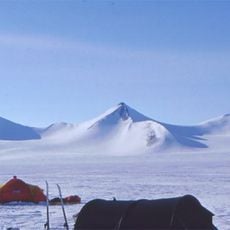
Barbeau Peak, at 2,616 m the highest point in Nunavut, is a nunatak: only its summit rises above the Grant Land Ice Cap, which is up to 1,000 m thick. Mount Whisler, 2,500 m, stands 12 km to the northeast, entirely surrounded by the Henrietta Nesmith Glacier.
The community of curious travelers
AroundUs brings together thousands of curated places, local tips, and hidden gems, enriched daily by 93,849 contributors worldwide.