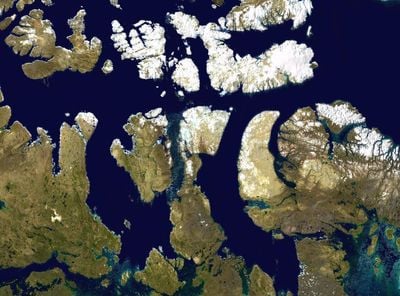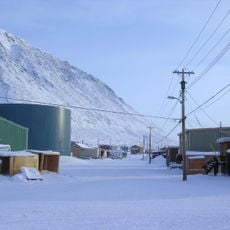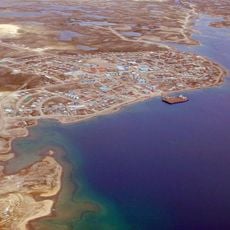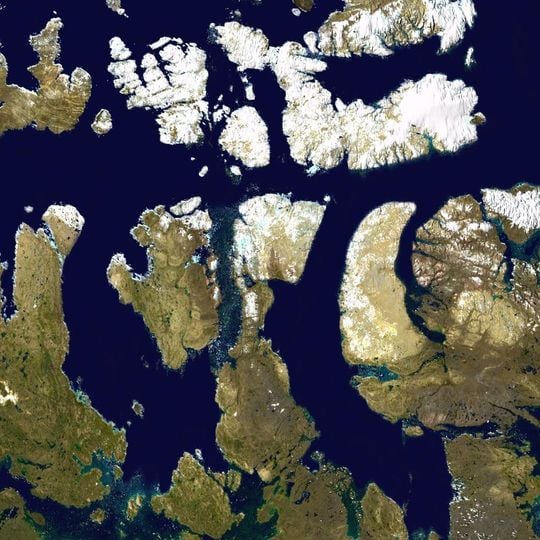
Somerset Island, Arctic archipelago island in Nunavut, Canada
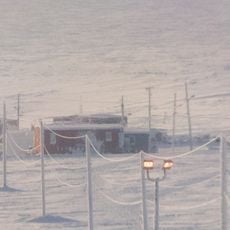
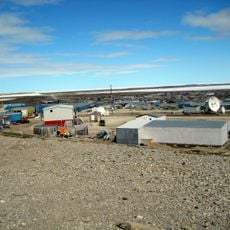
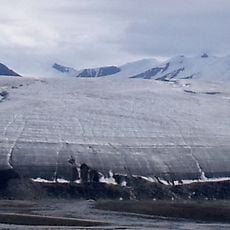
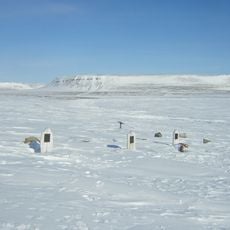
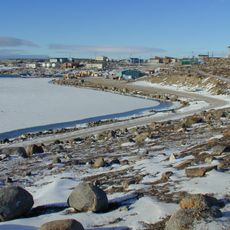
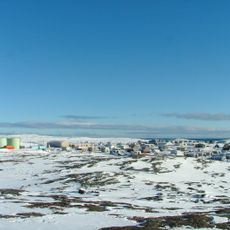
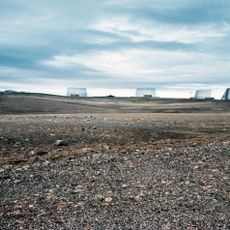
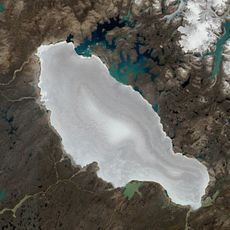
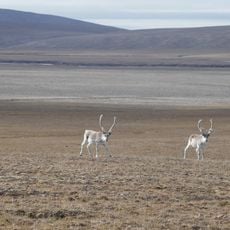
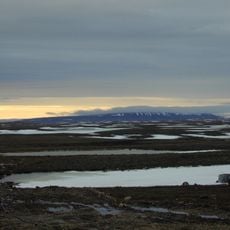
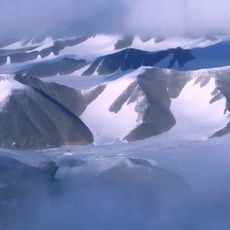
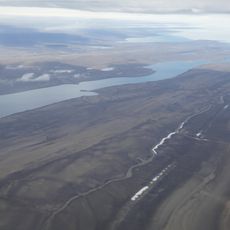
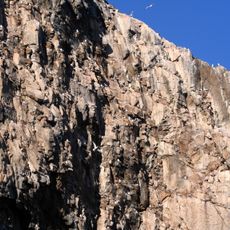
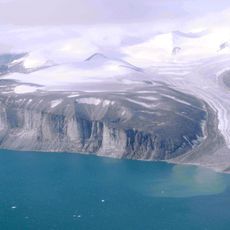
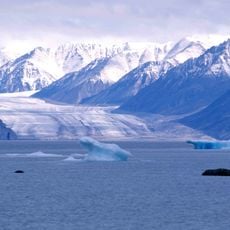
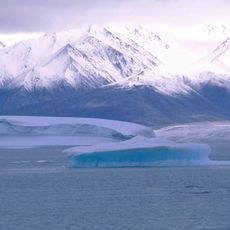
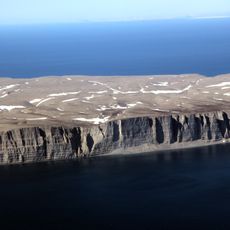
Somerset Island is an Arctic island in the Canadian north featuring elevated plateaus and sedimentary rocks across its landscape. The terrain varies from low-lying coastal areas to higher ground inland.
Lieutenant William Edward Parry discovered the island in 1819 during an Arctic expedition and named it after an English county. This exploration was part of efforts to map the Arctic waters of the north.
The northern coast shows signs of how Thule people once lived there, using whale bones and stones to build structures that visitors can still recognize today.
Arctic Watch Lodge at Cunningham Inlet offers accommodation for visitors arriving by private aircraft to watch beluga whales. Whale watching is best during warmer months when the animals move into the shallow waters.
Fossils of Bangiomorpha pubescens red algae were found on the island dating back about 1.2 billion years. This discovery provides the earliest known evidence of sexual reproduction in organisms.
The community of curious travelers
AroundUs brings together thousands of curated places, local tips, and hidden gems, enriched daily by 90,760 contributors worldwide.