Ellef Ringnes Island, Arctic island in Nunavut, Canada
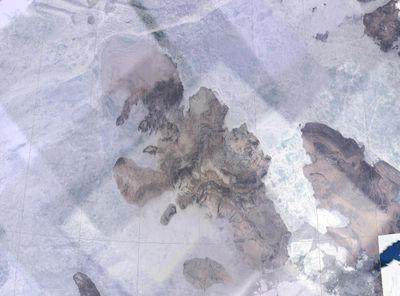
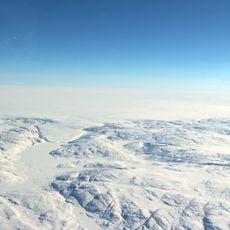
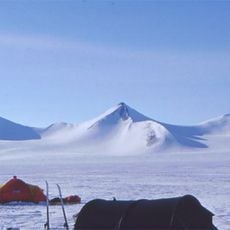
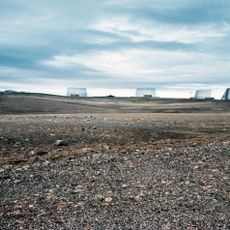
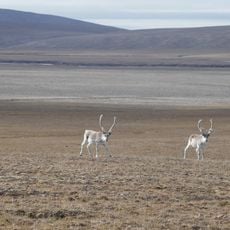
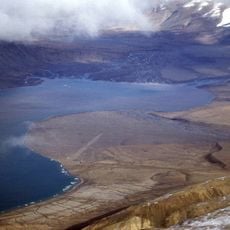
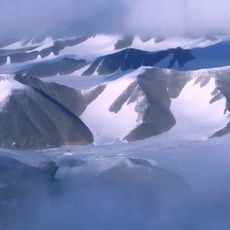
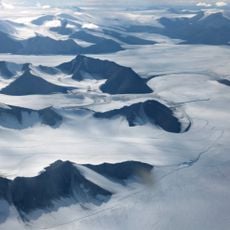
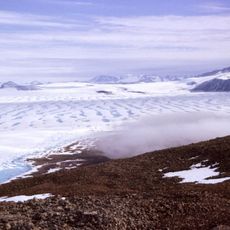
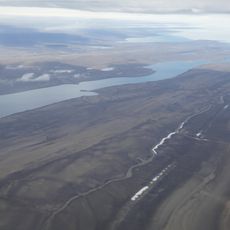
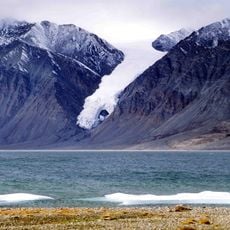
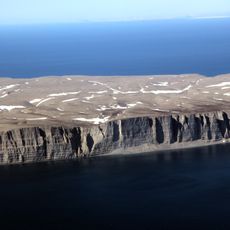
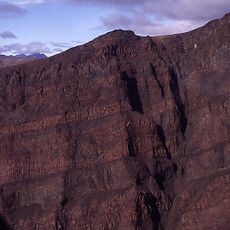
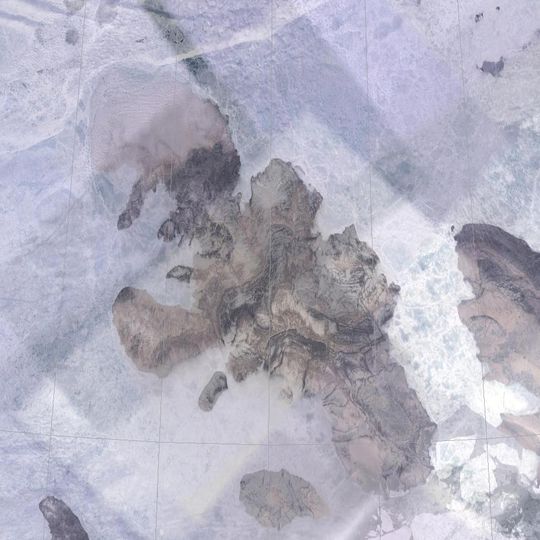
Ellef Ringnes Island is an Arctic landmass in Nunavut featuring broad lowlands mixed with uneven upland terrain and salt dome formations. The geological composition creates a remote, sparsely inhabited environment shaped by its northern location and physical landscape.
The island was discovered in 1901 during a Norwegian expedition led by Otto Sverdrup and named after Oslo brewer Ellef Ringnes, who funded the journey. This naming connects northern Canada's geographic history with European sponsors of scientific exploration from that era.
The island holds meaning for Inuit communities who hunt in the surrounding waters and maintain their traditional ways of living in this remote region. Visitors can observe signs of these practices woven into the landscape and local life.
The island is difficult to reach and requires specialized transportation such as boats or aircraft from established Nunavut communities. Visitors should prepare for extreme Arctic conditions and extended travel times.
Earth's wandering magnetic north pole made its final terrestrial contact precisely on this island, confirmed by scientific surveys in 1994. This rare geological occurrence drew scientific interest from polar researchers studying magnetic phenomena.
The community of curious travelers
AroundUs brings together thousands of curated places, local tips, and hidden gems, enriched daily by 92,775 contributors worldwide.