Okapi Wildlife Reserve, Wildlife reserve in Ituri Province, Democratic Republic of the Congo
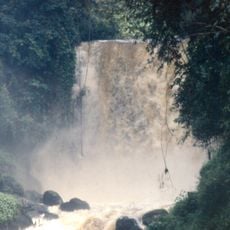
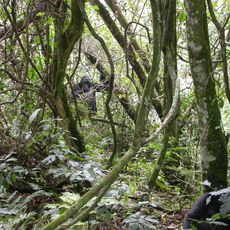
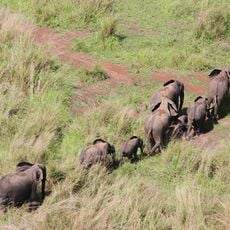
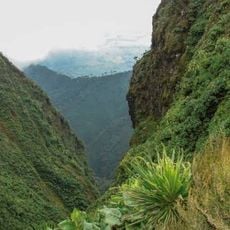
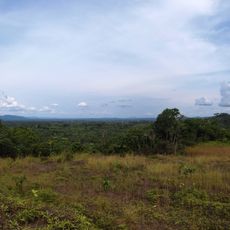
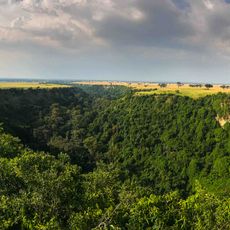
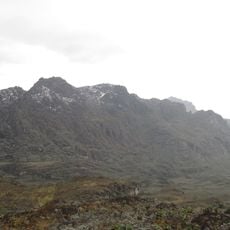
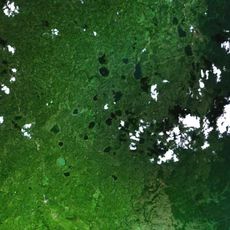
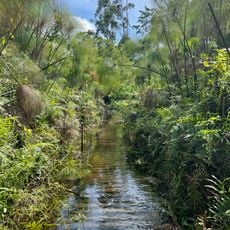
The Okapi Wildlife Reserve is a large protected forest area in the Ituri region that combines dense rainforest, multiple river systems, and varied habitats. The landscape remains largely undisturbed due to its remote location, allowing diverse species to thrive across different forest zones.
The reserve was established in 1992 with the goal of protecting a threatened animal species from disappearing. It received World Heritage status in 1996, marking its importance for conservation on a global scale.
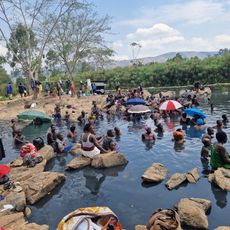
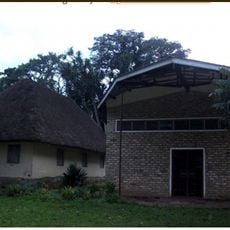
The reserve is home to nomadic Mbuti and Efe pygmies and Bantu farmers. The Epulu Conservation and Research Center, founded in 1928 by American anthropologist Patrick Putnam as a capture station for okapis, continues research and conservation work. The center no longer exports okapis; it now focuses on preserving wild populations.
Visits require careful planning because the reserve is in a remote area and difficult to access. It is important to arrange things in advance with local guides or authorities to ensure safe and proper entry.
The reserve holds an estimated 3,900 to 6,350 okapis, out of a global wild population of roughly 10,000 to 20,000. The Epulu Conservation and Research Center on the Epulu River began in 1928 as a capture station founded by American anthropologist Patrick Putnam, sending wild okapis to American and European zoos.
The community of curious travelers
AroundUs brings together thousands of curated places, local tips, and hidden gems, enriched daily by 93,849 contributors worldwide.