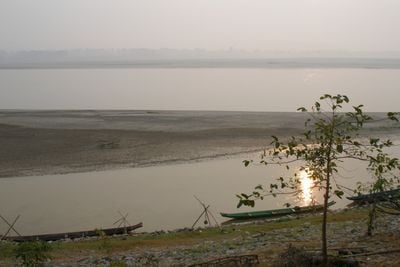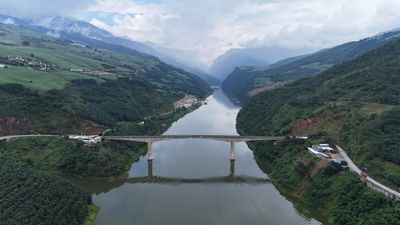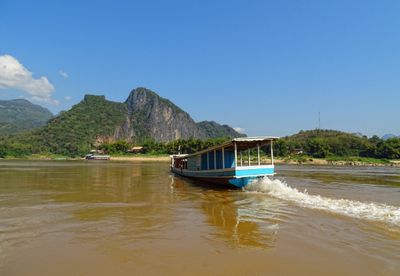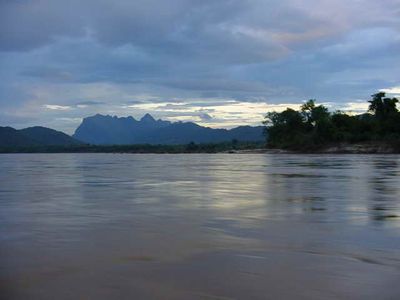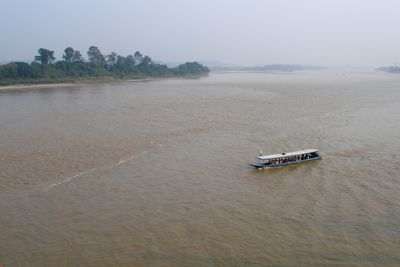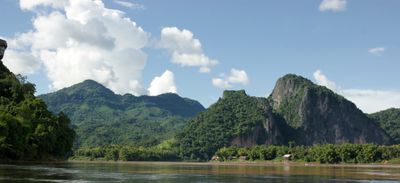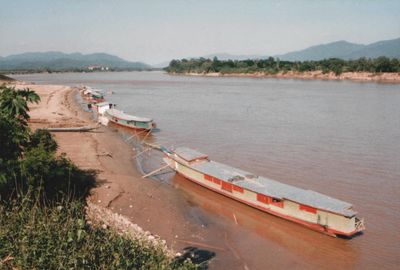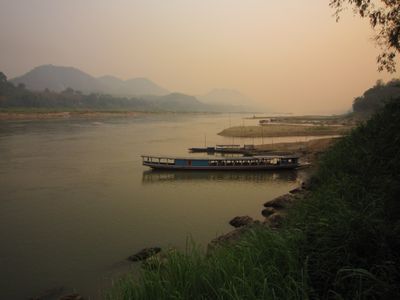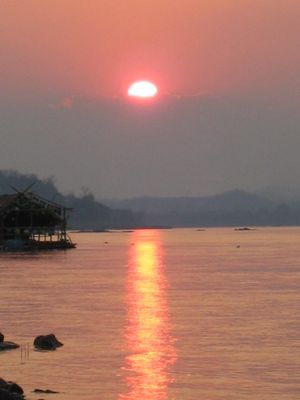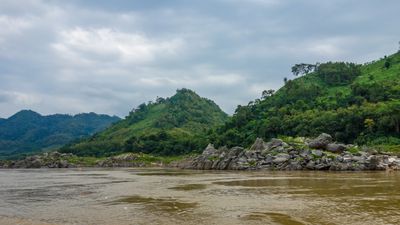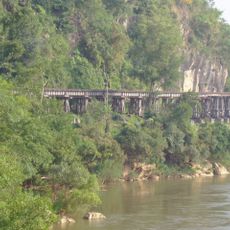
Mekong River, Transboundary river in Southeast Asia.
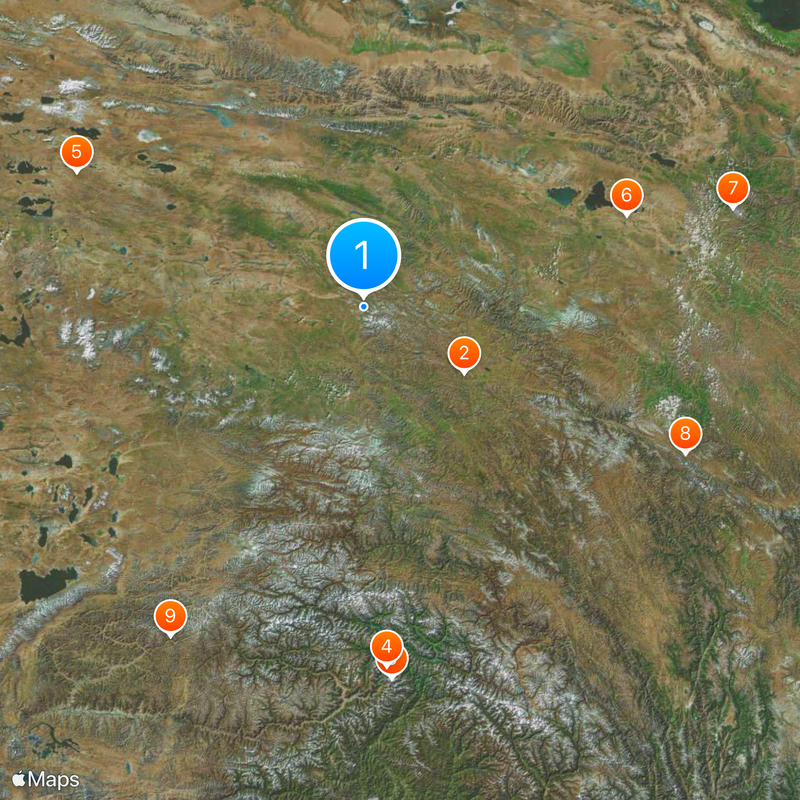
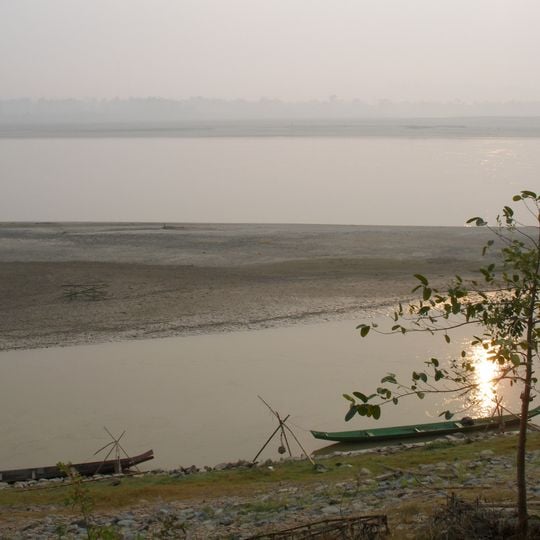
The Mekong is a river that runs 4,909 kilometers (3,050 miles) from the Tibetan Plateau through China, Myanmar, Laos, Thailand, Cambodia, and Vietnam to the South China Sea. Its course connects different landscapes and climates, from steep gorges in the north to broad delta plains in the south.
European expeditions in the 16th century explored the river to assess its suitability for navigation, but found that rapids prevented continuous passage. Later, dams were built along its course, altering the water flow and the way people living nearby made their living.
Communities along its banks earn a living through fishing and growing rice on floating gardens and narrow fields. These activities follow the rhythm of the water and shape daily life for countless families who have been tied to the river for generations.
Access to the water depends on the specific stretch and season, as water levels vary widely. Visitors who want to explore the banks should ask locally where it is safe to approach the river and which areas to avoid during high water.
In the Cambodian Tonle Sap Lake system, the direction of water flow naturally reverses between wet and dry seasons. This reversal significantly changes the size of the lake and affects fish populations as well as the lives of surrounding communities.
The community of curious travelers
AroundUs brings together thousands of curated places, local tips, and hidden gems, enriched daily by 92,394 contributors worldwide.